
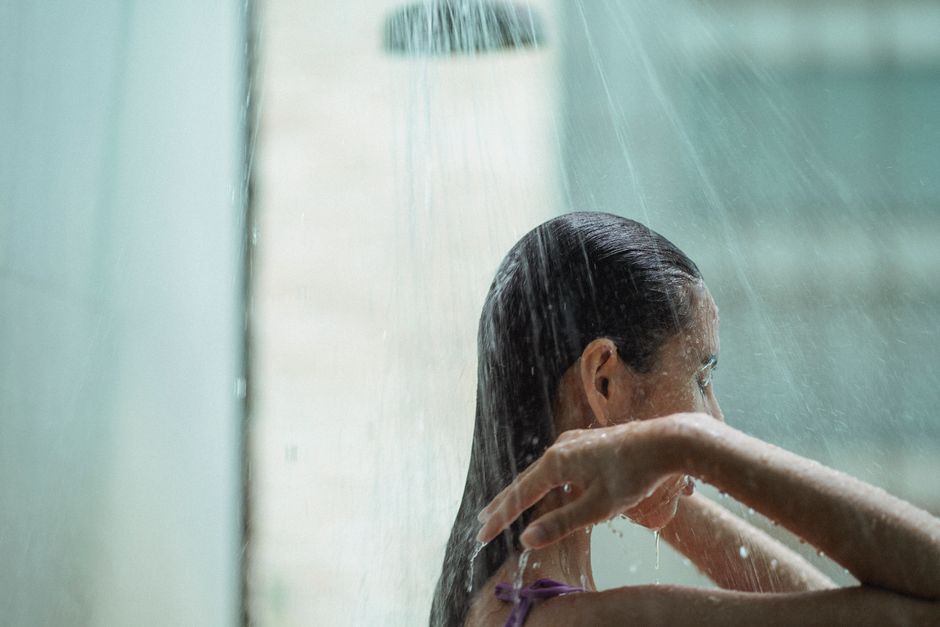
Hard water contains high levels of calcium and magnesium. When you bathe your baby in it, these minerals can leave a film on the skin that may cause dryness or irritation. To soften hard water for your baby’s bath, the most effective options are using distilled water, installing a whole-house water softener, or using a countertop distiller. Each method has different costs and convenience levels, which we explain below.
What is hard water and why does it matter for my baby’s bath?
Hard water is simply water that contains a high concentration of dissolved minerals — mainly calcium and magnesium. These minerals come from the ground as water moves through limestone and chalk deposits. Most tap water in the United States is considered hard to some degree.
When you use hard water for your baby’s bath, the minerals can react with soap to form a sticky residue called soap scum. This residue can cling to your baby’s delicate skin. It may also make it harder to rinse off soap completely. Over time, this can strip natural oils from the skin, leaving it dry and irritated.
Some research has linked hard water to an increased risk of eczema in infants and young children. A 2015 study published in the British Journal of Dermatology found that hard water was associated with higher rates of eczema in UK infants. However, the evidence is not conclusive. Many babies bathe in hard water without any problems. The main practical concern is dryness and possible irritation, not a guaranteed health condition.
How To Soften Hard Water For Your Babys Bath? Key facts
There are several ways to reduce or remove the minerals that make water hard. The best method for you depends on your budget, lifestyle, and how much water you need to soften.
Here are the most reliable options:
- Whole-house water softener. This system installs where the main water line enters your home. It uses salt (sodium or potassium) to replace calcium and magnesium ions. The result is soft water from every tap. This is the most thorough solution but requires professional installation and ongoing salt refills. It also adds a small amount of sodium to the water — usually safe for healthy infants, but check with your pediatrician if your baby has a medical condition that requires a low-sodium diet.
- Countertop water distiller. Distillation boils water and collects the steam, leaving minerals behind. Distilled water has essentially no minerals and is very soft. A countertop distiller is relatively affordable (around $100–$200) and can produce about 1 gallon every 4–6 hours. You can use distilled water to fill a small baby bathtub or add it to tap water to reduce overall hardness.
- Bottled distilled water. You can buy distilled water at most grocery stores. It is cheap per gallon and requires no equipment. The downside is the plastic waste and the effort of carrying bottles home. For occasional baths, this is a simple solution.
- Reverse osmosis system. This under-sink system forces water through a membrane that filters out most minerals. It produces water that is very low in hardness. Installation is more involved than a distiller, but it can provide soft water on demand. The water is also filtered for other contaminants like lead and chlorine.
Boiling water does not soften it. Boiling kills bacteria and removes some dissolved gases, but it actually concentrates calcium and magnesium as water evaporates. Do not rely on boiling to reduce hardness for your baby’s bath.
Can a water filter pitcher soften water for my baby’s bath?
Most standard water filter pitchers — like Brita or PUR — are designed to improve taste and reduce chlorine. They do not remove significant amounts of calcium or magnesium. Some pitchers contain ion-exchange resin that can reduce hardness, but the capacity is very small. A single pitcher of filtered water may be slightly softer than tap water, but it will not produce the very soft water some parents expect.
If you want to use a pitcher, check the product specifications. Look for a model that specifically advertises “reduces calcium” or “reduces heavy metals.” Even then, the reduction is limited. For a baby’s bath, distilled water or a dedicated softening system is more reliable.


Does adding baking soda or vinegar soften hard water?
No. Baking soda (sodium bicarbonate) and vinegar (acetic acid) do not remove calcium or magnesium from water. They can change the pH, which may affect how soap lathers, but the minerals remain.
Some parents add a small amount of vinegar to the bath water to help remove soap scum from the baby’s skin after washing. That is a rinsing aid, not a softening method. If you use vinegar, dilute it well — about 1 tablespoon per gallon of water — and avoid getting it in your baby’s eyes. Rinse with plain water afterward. This is not a recommended routine for most babies, but some parents find it helpful for managing dry skin.
Is hard water harmful to my baby?
For most healthy babies, hard water is not harmful in the way that contaminated water can be. The minerals themselves are harmless when ingested or absorbed through the skin. In fact, calcium and magnesium are essential nutrients.
The main issue is skin irritation. Babies have thinner, more sensitive skin than adults. The soap scum left by hard water can cause dryness, redness, or flaking. If your baby already has eczema-prone skin, hard water may make it worse. Some studies suggest that softening water at home can improve eczema symptoms in children, but results are mixed. A large 2018 trial — the Softened Water Eczema Trial (SWET) — found that installing a water softener did not significantly reduce eczema severity in children with moderate to severe atopic dermatitis. However, many parents report anecdotal improvement.
If your baby’s skin seems dry or irritated after baths, trying softer water for a few weeks is a reasonable and low-risk step. If the irritation continues, see a pediatrician.
Practical tips for a baby bath with hard water
Even if you cannot soften the water completely, you can reduce irritation:
- Use a minimal amount of mild, fragrance-free baby soap. Less soap means less soap scum.
- Rinse your baby thoroughly with a cup of distilled or softened water at the end of the bath to remove any residual minerals and soap.
- Pat the skin dry — do not rub. Apply a plain, fragrance-free moisturizer immediately after the bath.
- Keep baths short (5–10 minutes) and use lukewarm water, not hot.
How much does it cost to soften water for baby baths?
Costs vary widely. A whole-house water softener typically costs $400–$2,000 plus installation, with ongoing salt costs of $50–$200 per year. A countertop distiller costs $100–$200 upfront plus electricity and occasional descaling. Bottled distilled water costs about $1–$1.50 per gallon at the store. For a baby bath using 5 gallons, that is $5–$7.50 per bath — expensive for daily use. A reverse osmosis system runs $200–$600 plus installation and filter replacements.
If budget is tight, you can buy distilled water in gallon jugs and use it only for the final rinse rather than for the entire bath. That reduces cost and waste while still helping remove mineral residue.
Frequently Asked Questions
Can I use a water softener for my baby’s bath safely?
Yes, water softeners are safe for baby baths, but they add a small amount of sodium to the water — usually under 200 mg per liter. That is well within safe limits for healthy infants, but if your baby has a medical condition like kidney disease or high blood pressure, ask your pediatrician first.
Does boiling water make it soft for a baby bath?
No, boiling does not remove calcium or magnesium. It kills germs but actually concentrates the minerals as water evaporates, making the water slightly harder.
What is the cheapest way to soften water for a baby bath?
Buying bottled distilled water for a final rinse is the cheapest effective method. You use only 1–2 gallons per bath instead of softening the entire bath, saving money and effort.
Will hard water cause diaper rash?
Hard water does not directly cause diaper rash, but it can contribute to skin irritation that may worsen rashes. Keeping the skin clean, dry, and moisturized is more important for preventing diaper rash than water hardness.
