
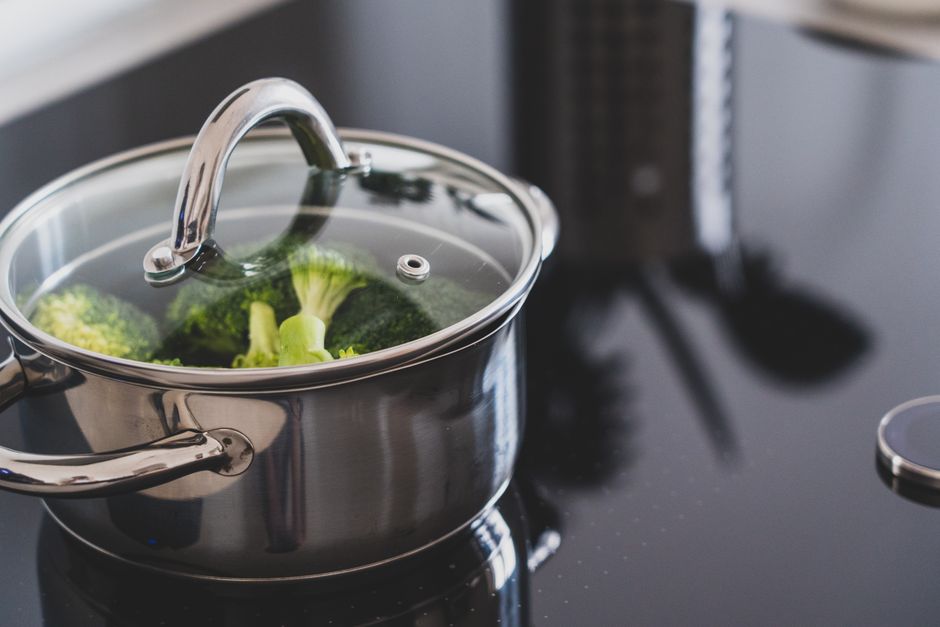
If you have a cork that is too big for a bottle or a cork board that has swollen, boiling water and steam are the most reliable ways to shrink it. Heat drives out moisture and relaxes the cellular structure of the cork, causing it to contract as it cools. This method works best on natural cork, and it is the same principle used by winemakers to recondition dried-out stoppers.
Why Does Cork Shrink With Heat?
Cork is made from the bark of the cork oak tree. Its structure is a honeycomb of tiny air-filled cells. These cells are coated with a waxy substance called suberin, which makes cork waterproof and elastic.
When cork absorbs liquid, the cells swell. When you apply heat, the moisture inside evaporates and the air pockets expand, pushing the cell walls outward. As the cork cools, the cells contract and the material shrinks back toward its original size. This is why steam works better than dry heat alone—steam carries more energy and penetrates the cork more evenly.
One important detail: cork does not shrink forever. It returns to its natural size, which is the size it was before it absorbed moisture. If you need it smaller than its original dimensions, heat alone will not get you there. You would need to sand or trim the cork instead.
How To Shrink A Cork With Boiling Water
Boiling water is the simplest method. It works well for small corks, like wine bottle stoppers, that have swollen from moisture.
Fill a small pot with water and bring it to a full rolling boil. Turn off the heat before you add the cork. Dropping a cork into violently boiling water can cause it to split or become misshapen. Once the water stops bubbling, place the cork in the pot and let it sit for 3 to 5 minutes.
Remove the cork with tongs and let it cool completely on a dry towel. As it cools, it will contract. Test the fit after it reaches room temperature. If it is still too large, repeat the process once more. Do not boil the cork repeatedly for long periods—each cycle weakens the material and can make it crumbly.
This method works best for corks that have swollen from wine, juice, or water exposure. It does not work well for corks that have been compressed by a machine, like some synthetic or agglomerated corks. Those are made from cork granules bound with glue, and heat may cause the adhesive to break down.
How To Shrink A Cork With Steam
Steam is gentler than boiling water and gives you more control. It is the better choice for larger corks, such as those used in decanters or wide-mouth bottles, where even heating matters.
Hold the cork with tongs or a heat-resistant glove. Position it over the spout of a steaming kettle or a pot of boiling water. Keep it in the steam for about 60 to 90 seconds, rotating it so every side gets equal exposure. The cork should feel warm and slightly damp but not dripping.
Set the cork on a dry surface and let it cool. Do not push or force it into the bottle while it is still warm—it will be soft and can tear. Wait until it is fully cool and firm again. Most corks will shrink noticeably within 10 minutes of cooling.
Steam is also useful for cork boards that have warped from humidity. Lay the board flat and pass steam over the surface, then place a heavy weight on it while it cools. This flattens the board and shrinks the swollen areas back into place.





Step-By-Step Checklist For Best Results
- Use natural cork only. Check the label or look for visible bark texture.
- Never boil a cork for more than 5 minutes at a time.
- Always let the cork cool fully before testing the fit.
- If the cork is still too large after two tries, sand it instead of heating it again.
- Do not microwave a cork. The internal moisture can turn to steam and cause the cork to explode.
These steps apply to both boiling and steaming methods. The key is patience. A cork that is cooled slowly and naturally will hold its shape better than one that is cooled quickly under cold water.
What If The Cork Is Still Too Big?
Heat can only return a cork to its original size. If the cork was manufactured slightly larger than the bottle opening, or if it has been compressed for years, heat will not fix it.
For a wine bottle cork that is still too wide, use a fine-grit sandpaper to gently remove material from the sides. Sand in a circular motion and test the fit frequently. This is more precise than heating and gives you full control over the final size.
If the cork is too long, trim the end with a sharp knife. This is common with corks that have swollen lengthwise from sitting in liquid. Cut only the dry end, never the end that was in contact with the wine or liquid.
For cork boards, sanding the edges can help if the board is too large for its frame. But if the board is warped, not just swollen, heat and weight are the better solution.
Does This Work On All Types Of Cork?
No. Natural cork responds well to heat and moisture. This is the kind used in premium wine bottles and quality bulletin boards.
Agglomerated cork is made from cork particles mixed with adhesive and pressed into shape. Heat can soften the adhesive and cause the cork to lose its structure. If you try this method on agglomerated cork, it may become sticky or fall apart. Check the cork for a uniform texture with no visible bark lines—if it looks like pressed sawdust, it is likely agglomerated.
Synthetic corks, made from plastic or rubber compounds, do not respond to heat the way natural cork does. They may soften and deform but will not shrink. For these, you need a different approach entirely, such as sanding or replacing the cork.
Common Mistakes And How To Avoid Them
The most common mistake is using water that is too hot for too long. Boiling a cork for 10 minutes will not make it shrink more—it will make it break apart. The cell walls degrade with prolonged heat, and the cork becomes brittle.
Another mistake is forcing the cork into the bottle while it is still warm. Warm cork is pliable, and pushing it in can compress it unevenly. When it cools, it will stay in that compressed shape, which may be too tight or crooked.
Some people try to speed up cooling by running the cork under cold water. This works, but it can cause the outer layer to shrink faster than the inner layer, creating a hard shell with a soft core. The cork may not hold its shape over time. Air cooling is slower but produces a more uniform result.
Finally, do not use a hairdryer or heat gun. Dry heat evaporates moisture too quickly and can scorch the cork’s surface. The waxy suberin layer can burn, leaving a dark, brittle crust that will not shrink properly.
How To Prevent Corks From Swelling In The Future
Prevention is easier than repair. Store wine bottles on their side so the cork stays moist but not submerged in liquid. A cork that dries out completely will shrink and let air into the bottle. A cork that sits in wine for months will swell and become difficult to remove.
For cork boards, keep them away from humid areas like bathrooms or kitchens. If you live in a humid climate, consider using a dehumidifier in the room where the board is hanging. A thin layer of cork sealant or varnish can also help block moisture absorption.
For loose corks that you reuse, store them in a cool, dry place. A sealed plastic bag with a desiccant packet works well. This keeps them at a stable size between uses.
Frequently Asked Questions
How long should I boil a cork to shrink it?
Boil the cork for 3 to 5 minutes after the water has stopped bubbling. Remove it and let it cool completely before testing the fit.
Will steam shrink a cork faster than boiling water?
Steam is gentler and more controlled, but it does not necessarily work faster. The cork still needs 60 to 90 seconds of steam exposure and a full cooling period to contract.
Can I shrink a synthetic cork with heat?
No. Synthetic corks are made from plastic or rubber and do not shrink with heat. They may soften or deform, so sanding is a safer option.
Why did my cork split when I boiled it?
The water was likely at a full boil when you added the cork, or the cork was left in too long. Always turn off the heat first and limit boiling time to 5 minutes maximum.
