
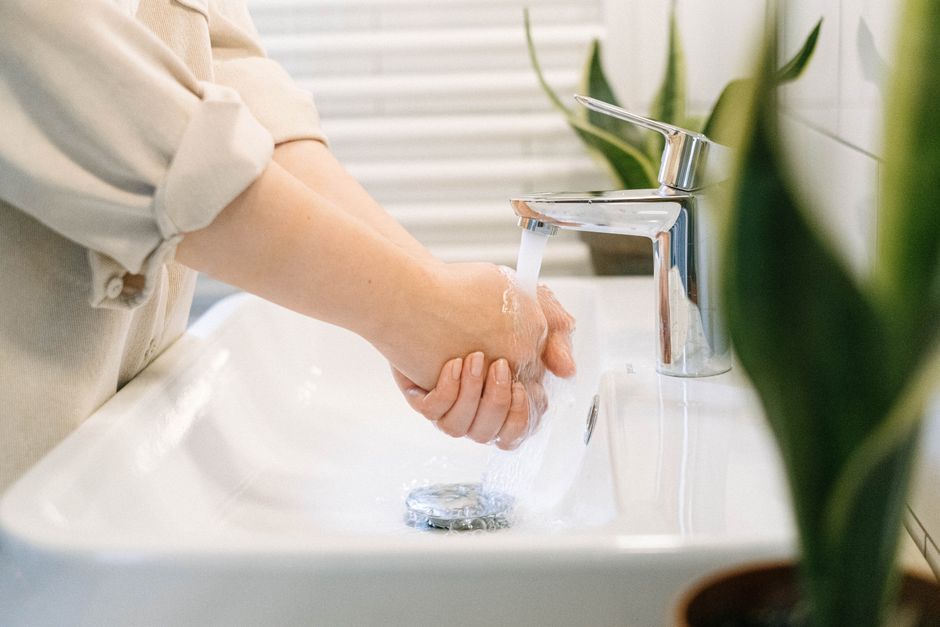
Private water means any water supply that serves your home but is not run by a city, town, or utility company. The most common type is a private well, but it can also include springs, cisterns, or rainwater collection systems. Whether it is safe to drink depends entirely on what is in the water and how well the system is maintained. Unlike public water, which is tested and treated by the government, private water is the homeowner’s responsibility. This means you are in charge of testing, treating, and maintaining your own supply.
What Is Private Water And Is It Safe To Drink?
Private water is any drinking water source that is not regulated by the Safe Drinking Water Act. Public water systems must meet federal safety standards and are tested regularly. Private wells and other private sources have no such requirement. This doesn’t mean private water is automatically unsafe. It means the safety of the water is not guaranteed by anyone except you.
Most private water in the United States comes from groundwater accessed through a drilled well. Groundwater is generally cleaner than surface water because the soil and rock filter out many contaminants. However, groundwater can still become contaminated by bacteria, chemicals, or minerals. The safety of your private water depends on the quality of the aquifer, the condition of your well, and how close potential contamination sources are to your property.
What Contaminants Are Common In Private Wells?
Private wells can contain several types of contaminants. The most common and dangerous are bacteria and nitrates. Coliform bacteria and E. coli can enter a well through cracks in the casing, a poorly sealed cap, or flooding. These bacteria cause gastrointestinal illness and are a clear sign that surface water is mixing with your groundwater.
Nitrates come from fertilizers, animal waste, and failing septic systems. High nitrate levels are especially dangerous for infants under six months old. Nitrates interfere with the blood’s ability to carry oxygen, a condition called blue baby syndrome. If you have an infant and your well water has high nitrates, do not use it for formula. Use bottled water or another certified safe source instead.
Other contaminants include arsenic, lead, and radon. Arsenic occurs naturally in some bedrock and is a known carcinogen. Lead usually comes from plumbing materials, not the well itself. Old pipes, brass fittings, and lead solder can leach lead into water that sits in the pipes for hours. Radon is a radioactive gas that can dissolve into groundwater and is released into the air when you run water.
How Often Should You Test Private Well Water?
Test your private well at least once a year for total coliform bacteria, nitrates, and pH. This is the minimum recommendation from public health agencies. You should also test whenever you notice a change in taste, odor, or color, or after any flooding, land disturbance, or well repair near your property.
You should test more often if you live in an agricultural area, have a septic system, or have had contamination in the past. New wells should be tested when they are constructed. If you are buying a home with a private well, always test the water before you close the deal. Sellers are not required to disclose water quality issues in many states, so you need to verify it yourself.
For specific contaminants like arsenic, lead, or radon, test at least once to establish a baseline. If results come back clean, you can test less frequently. If results show a problem, you need to address the source and retest after treatment is installed.





How Do You Test Private Water?
You have two main options for testing private water: a home test kit or a certified laboratory. Home test kits are convenient and inexpensive, but they are limited. They can give you a quick read on bacteria, pH, hardness, and some common chemicals. They cannot detect everything, and their accuracy varies by brand.
For a complete picture, use a state-certified laboratory. Your local health department can give you a list of certified labs in your area. A standard test for bacteria, nitrates, and basic minerals costs around $50 to $100. More comprehensive tests for heavy metals, pesticides, or volatile organic compounds cost more.
When you collect a water sample, follow the lab’s instructions exactly. Use the sterile bottle they provide. Do not touch the inside of the cap or the rim of the bottle. Run the cold water for a few minutes before collecting the sample. Label the bottle clearly and get it to the lab within the time frame they specify. A bad sample gives you bad results, and bad results lead to bad decisions.
What Treatment Options Exist For Private Water?
If testing reveals a problem, several treatment options are available. The right option depends on the contaminant. There is no single filter that removes everything. You need to match the treatment to the problem.
For bacteria, the most common treatment is ultraviolet light or chlorination. UV systems are effective against bacteria and viruses without adding chemicals to the water. They require electricity and clear water to work well. Chlorination is also effective but changes the taste of the water and requires careful dosing.
For nitrates, reverse osmosis or distillation are the reliable options. These systems remove nitrates from water, but they also remove beneficial minerals. They are typically installed at the point of use, meaning under the kitchen sink, rather than treating the whole house.
For arsenic and heavy metals, reverse osmosis, distillation, or specialized adsorption filters can work. For radon, aeration systems are the most effective. For hard water, a water softener handles calcium and magnesium. For taste and odor issues, activated carbon filters are common.
Whatever system you choose, maintenance matters. Filters need replacement on schedule. UV bulbs need annual replacement. Membranes need cleaning. A neglected treatment system can become a source of contamination itself.
What Are The Signs Your Private Water Is Unsafe?
Some water problems are obvious, but many are not. Cloudy or murky water can indicate bacteria or sediment. A rotten egg smell suggests hydrogen sulfide gas. A metallic taste can point to iron, copper, or lead. Blue-green stains on sinks and fixtures indicate acidic water that may be corroding your pipes.
But dangerous contaminants often have no taste, smell, or color. Arsenic is completely undetectable without testing. Nitrates are invisible. Bacteria can be present in crystal-clear water. This is why relying on your senses is not enough. If you have a private well, testing is not optional. It is the only way to know what is in your water.
Gastrointestinal illness that recurs among household members can also be a sign. If multiple people in the house get stomach cramps, diarrhea, or nausea and the symptoms resolve after a few days, contaminated water may be the cause. This pattern is especially telling if visitors who drink the same water also get sick.
How Does Private Water Compare To Public Water?
Public water is tested hundreds of times per month and must meet enforceable federal standards. Private water is tested as often as the owner decides to test it. Public water is treated with disinfectants to kill pathogens. Private water is treated only if the owner installs a system. Public water utilities must report results to the public. Private well owners report to no one.
This does not mean public water is always better. Some public systems have aging infrastructure and contamination events. But the regulatory framework for public water provides a safety net that private water simply does not have. With private water, you are the utility. You are the regulator. You are the one who must ensure the water is safe.
The responsibility may seem heavy, but it is manageable. Annual testing, prompt response to problems, and regular maintenance of your well and treatment system are the core duties. If you handle these, private water can be just as safe as public water. If you ignore them, you are drinking untested water and accepting the risk.
Frequently Asked Questions
How much does private well water testing cost?
A basic laboratory test for bacteria and nitrates costs about $50 to $100. Comprehensive tests for heavy metals or pesticides cost more, often $200 to $500.
Can you sell a home with a private well without testing the water?
Yes, in most states there is no legal requirement to test well water before selling a home. Buyers should always request a water test as part of the home inspection.
Does boiling private well water make it safe?
Boiling kills bacteria and viruses, but it does not remove nitrates, arsenic, lead, or chemicals. Boiling can actually concentrate some contaminants as water evaporates.
How deep does a private well need to be to be safe?
Depth alone does not guarantee safety. A shallow well is more vulnerable to surface contamination, but deep wells can still contain arsenic or radon from natural bedrock.
