
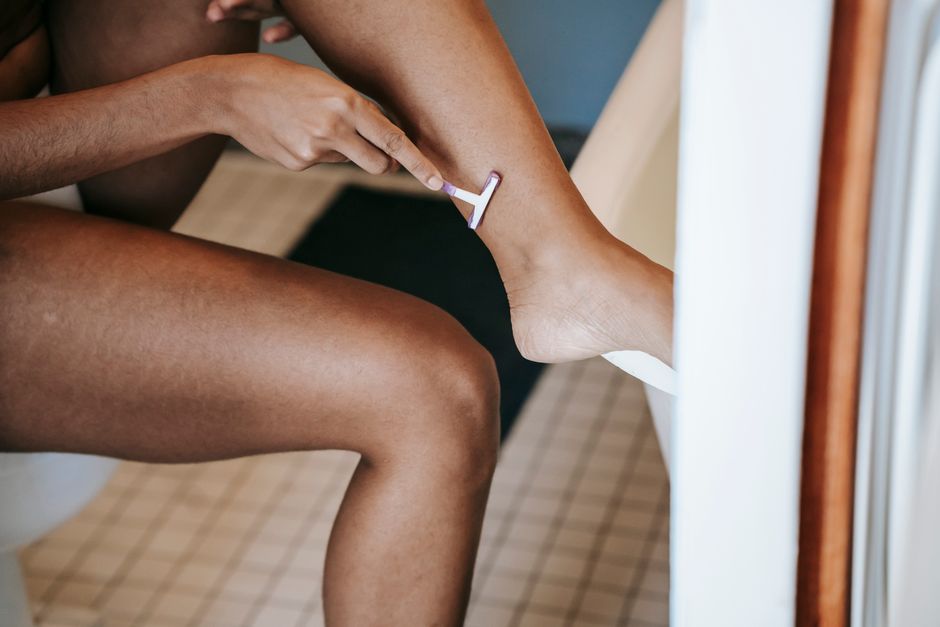
Shaving your armpits is a quick routine that most people can do safely in a few minutes. The key is preparing the skin first, using a sharp razor, and following a simple sequence to reduce irritation. Here is the straightforward step-by-step method: wet the skin with warm water, apply a shaving cream or gel, shave in short strokes in multiple directions, rinse the razor often, then pat the area dry and apply a gentle moisturizer. This process helps prevent razor burn, ingrown hairs, and cuts.
Why Do Armpits Need Special Shaving Care?
Armpit skin is different from the skin on your legs or face. It is thinner, more sensitive, and it folds. The hair grows in multiple directions, not just one way like on your shin. That is why a single downward stroke often leaves patches of stubble behind.
The area also has many sweat glands and hair follicles close together. This makes it prone to irritation and razor bumps. Understanding this anatomy explains why the technique matters more than the razor itself. You are not just removing hair — you are working with delicate, curved skin that needs a gentle touch.
What You Need Before You Start
Having the right tools makes a real difference. You do not need expensive products, but you should avoid using a dull blade. A dull razor pulls at the hair and increases the chance of nicks and irritation.
- A sharp razor — a fresh blade or one used only a few times works best. Multi-blade razors are fine, but a single fresh blade is often gentler.
- Shaving cream or gel — use one designed for sensitive skin if you have a history of razor burn. Soap is a backup option but it does not provide the same glide.
- Warm water — not hot. Hot water strips oils and can increase irritation.
- A clean towel — for patting dry, not rubbing.
- A gentle moisturizer or fragrance-free lotion — to apply after shaving.
Do not use an electric razor on dry armpit skin if you are prone to irritation. It can catch the skin folds and cause micro-cuts. If you prefer electric shaving, use it on dry skin with a guard designed for sensitive areas.
Step-by-Step: How To Shave Your Armpits
Follow these steps in order. Each one has a purpose.
Step 1: Soften the hair and skin. Spend at least two to three minutes in the shower or hold a warm wet washcloth over each armpit for a minute. This softens the hair shaft and opens the pores slightly. The hair becomes easier to cut cleanly, which reduces tugging.
Step 2: Apply shaving cream generously. Cover the entire armpit area with a thick layer. Do not skimp. The cream acts as a barrier between the blade and your skin. It also helps the razor glide over the curved surface without skipping.
Step 3: Lift your arm above your head. This flattens the skin and makes the surface easier to shave. You want the skin taut, not stretched tight. Raising your arm fully overhead usually gives the best access.
Step 4: Shave in short, gentle strokes. Start at the edges and work inward. Because armpit hair grows in different directions, you may need to shave in more than one direction to get a close result. Shave downward first, then sideways, and finally upward if needed. Always use light pressure. Let the razor do the work.
Step 5: Rinse the razor after every stroke. Hair and cream build up quickly on the blade. A clogged razor drags and increases the risk of cuts. Rinse under running water and shake off excess.
Step 6: Rinse the area with cool water. Cool water helps close the pores and calms the skin. It also washes away any remaining cream that could irritate the area later.
Step 7: Pat dry, do not rub. Rubbing with a towel creates friction on freshly shaved skin. Pat gently until dry.
Step 8: Apply a fragrance-free moisturizer. Shaving removes the skin’s natural oils. A light lotion or a few drops of a gentle oil helps restore moisture. Look for products without alcohol or perfume, as these can sting on freshly shaved skin.





How To Avoid Razor Burn and Ingrown Hairs
Razor burn appears as red, irritated skin that may sting or itch. It happens when the blade scrapes the top layer of skin. Ingrown hairs occur when hair curls back and grows into the skin after shaving. Both are common in the armpit area because of the hair’s curl and the skin’s folds.
To reduce both problems, follow these rules consistently:
- Shave at the end of your shower, not the beginning. The hair is softer after a few minutes of warm water.
- Never shave dry skin. This is the most common cause of razor burn.
- Use a fresh razor. Replace it after five to seven uses, or sooner if it feels dull.
- Do not press hard. Light pressure is all that is needed.
- Exfoliate gently a day before shaving, not the same day. This removes dead skin cells that can trap hairs.
- Skip deodorant or antiperspirant for a few hours after shaving if your skin is sensitive. The chemicals in these products can irritate freshly shaved skin. If you must apply it, choose a fragrance-free formula.
Some research suggests that shaving in the direction of hair growth reduces ingrown hairs, but it also leaves a less close shave. Many people choose to shave against the grain for smoothness and accept a higher risk of bumps. If you are prone to ingrown hairs, try shaving only in the direction of growth for a week to see if it helps.
What To Do If You Cut Yourself
Cuts in the armpit area bleed more than you might expect because the skin is thin and the area is well supplied with blood vessels. Most cuts are minor and stop bleeding quickly.
Rinse the cut with clean water. Apply firm pressure with a clean tissue or cloth for a few minutes. Do not check too often — pressure needs time to work. Once bleeding stops, leave the area uncovered or apply a small adhesive bandage if needed. Avoid applying deodorant directly on a fresh cut; it will sting and may delay healing.
If bleeding does not stop after ten minutes of firm pressure, or if the cut is deep, seek medical attention. This is rare with a standard razor but can happen with a slip.
How Often Should You Shave Your Armpits?
There is no medical requirement to shave at all. It is a personal choice. How often you shave depends on how fast your hair grows and your preference for smoothness.
For most people, hair becomes visible again within one to three days. Shaving every two to three days is common. Shaving daily increases the chance of irritation because the skin does not have time to recover. If you prefer a daily shave, use an electric trimmer or a very gentle razor with fresh blades.
There is no health benefit to removing armpit hair. Some people believe it reduces odor because less hair means less surface area for bacteria to grow on. This is plausible but not strongly established in clinical research. The relationship between body hair and odor is complex and varies from person to person.
Alternatives to Shaving
Shaving is not the only option. Waxing removes hair from the root and results in smoother skin that lasts longer — typically three to six weeks. It is more painful and can cause folliculitis, an inflammation of the hair follicles, if not done cleanly.
Laser hair removal is a longer-term option. It uses light to damage hair follicles and reduce regrowth. It requires multiple sessions and is expensive. Results vary, and it does not work on all hair colors or skin tones. Some dermatologists offer it, and it is considered safe when performed by a qualified professional.
Depilatory creams dissolve hair at the skin surface. They work but can cause chemical burns if left on too long. Always follow the package instructions and do a patch test on a small area first. Do not use these creams on broken or irritated skin.
Each method has trade-offs. Shaving is the cheapest, fastest, and least painful, but the results last the shortest time. The choice depends on your priorities.
Frequently Asked Questions
Does shaving armpits make hair grow back thicker?
No. Shaving cuts hair at the surface, and the blunt tip can feel coarser as it grows back, but it does not change the hair’s thickness or growth rate.
Should I shave armpits before or after showering?
Shave after a few minutes in the shower, once the warm water has softened the hair and skin. Shaving at the beginning of a shower on dry or barely wet skin increases irritation.
Is it better to shave armpits with or against the grain?
Shaving against the grain gives a closer shave but increases the risk of razor burn and ingrown hairs. Shaving with the grain is gentler and causes less irritation.
Can I use soap instead of shaving cream for armpits?
Soap is a backup option, but it does not provide the same glide or protection as shaving cream or gel. Using soap increases the risk of nicks and razor burn.
