
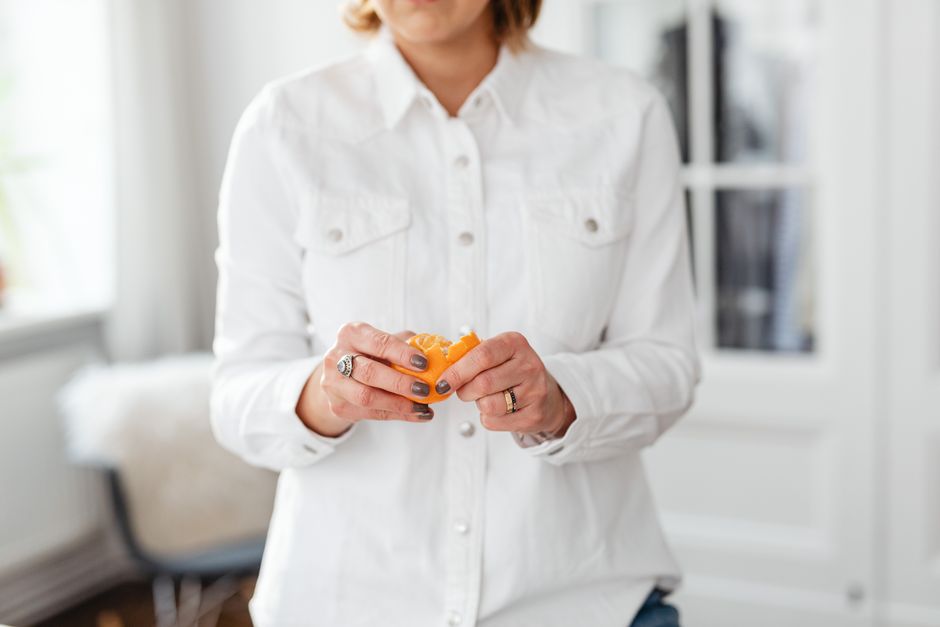
Peeled oranges stay fresh in the fridge for about 3 to 4 days if you store them in an airtight container. The key is to keep them from drying out and to prevent them from absorbing other food smells. An unpeeled orange can last up to two weeks in the fridge, but once the peel is removed, the clock starts ticking much faster.
How Long Do Peeled Oranges Last In The Fridge?
Peeled oranges last 3 to 4 days in the refrigerator when stored properly. This timeline is consistent whether you peel the orange yourself or buy pre-peeled packs from the store.
The peel acts as a natural protective barrier. It keeps moisture in and bacteria out. Once that barrier is gone, the exposed fruit flesh begins to dry out and can pick up bacteria from the fridge environment. After day four, the texture degrades noticeably and the risk of spoilage increases.
You should toss peeled oranges after 4 days even if they still look okay. The visible signs of spoilage — mushiness, a sour smell, or a slimy surface — often appear after the fruit has already started to ferment. Trust the timeline, not just your eyes.
What Is The Best Way To Store Peeled Oranges?
An airtight glass or plastic container is the best option. Place the peeled orange segments inside, seal the lid, and put the container in the main body of the fridge, not in the door. The door experiences temperature swings every time you open it, which speeds up spoilage.
If you do not have an airtight container, a zip-top plastic bag works almost as well. Squeeze out as much air as possible before sealing. Less air in the bag means less oxygen exposure, which slows down the breakdown of the fruit.
Some people wrap peeled oranges in plastic wrap or aluminum foil. This works for a single orange, but it is less reliable than a container because the wrap rarely forms a perfect seal. If you use this method, check the orange after 2 days and plan to eat it by day 3.
Should You Keep Peeled Oranges In Water?
Storing peeled oranges in cold water in the fridge is a popular method, and it does work for short-term storage. The water keeps the fruit from drying out and can extend freshness to about 5 days. Some research suggests that citrus stored in water retains more vitamin C than citrus stored dry.
The downside is texture. Oranges stored in water absorb some of the liquid and can become waterlogged, especially after the second day. The segments may feel soft and less snappy when you bite into them.
If you choose the water method, change the water every day. Stagnant water in the fridge can grow bacteria, and the orange will absorb whatever is in that water. Use cold water, not room-temperature water, and keep the container covered.





Does Lemon Juice Keep Peeled Oranges Fresh?
Lemon juice can slow down browning and add a small amount of protection against spoilage. The citric acid in lemon juice creates an environment where some bacteria struggle to grow. This is a common technique in food service, where fruit platters are often tossed with lemon juice before being displayed.
However, lemon juice changes the flavor. The orange will taste noticeably more tart, and some people find the combination unpleasant. The preservation benefit is modest — it might buy you an extra day at most, not a full week.
If you want to try this method, use a light hand. A teaspoon of lemon juice per orange is enough. Toss the segments gently to coat them, then store in an airtight container. Skip this method if you plan to use the oranges in a recipe where the lemon flavor would clash.
Can You Freeze Peeled Oranges?
Yes, peeled oranges freeze well, and freezing extends their life to about 3 months. This is the best option if you have more oranges than you can eat within 4 days.
To freeze, separate the segments and lay them on a baking sheet lined with parchment paper. Freeze for 2 hours, then transfer the frozen segments to a freezer bag or container. This two-step process prevents the segments from clumping together into one solid block.
Frozen orange segments are excellent for smoothies, desserts, or cooking. They are not ideal for eating fresh out of the freezer — the texture becomes mushy when thawed because ice crystals break down the cell walls. If you plan to eat them directly, let them thaw in the fridge for a few hours and expect a softer texture.
How Can You Tell If A Peeled Orange Has Gone Bad?
The first sign of spoilage is usually the smell. A bad orange develops a sour, fermented odor that is distinctly different from the sweet citrus smell of a fresh one. If it smells off, throw it out.
Texture changes come next. Fresh orange segments are firm and juicy. Spoiled ones become slimy on the surface or mushy when touched. A white or gray film on the surface is another warning sign — this indicates mold growth, even if it is not yet visible as fuzzy spots.
If you see any mold, discard the entire container. Mold spores spread invisibly through the fruit, and the parts that look clean may already be contaminated. Do not try to cut off the moldy section and eat the rest. This is a food safety rule that applies to all soft fruits, not just oranges.
Does Storing Peeled Oranges With The Pith Help?
Leaving some of the white pith attached to the segments can help them last slightly longer. The pith acts as an extra barrier between the fruit flesh and the air, slowing moisture loss. This is a small benefit — it might extend freshness by half a day to a full day, not a dramatic difference.
The pith also contains fiber and some vitamin C, so eating it is not a waste. Many people remove it because of the slightly bitter taste, but that bitterness can actually balance the sweetness of the orange in some recipes.
If you are storing oranges for a fruit salad, consider leaving the pith on the segments and removing it right before serving. This gives you the best of both — longer storage and clean presentation.
Does The Type Of Orange Matter?
Thicker-skinned orange varieties like navel oranges tend to last slightly longer once peeled than thin-skinned varieties like mandarins or clementines. The flesh of thicker-skinned oranges is denser and holds moisture better.
Blood oranges and Valencia oranges are more delicate after peeling. They bruise easily and spoil faster. If you are buying oranges specifically to peel and store, navel oranges are the most forgiving choice.
This difference is minor in practice — we are talking about a day of difference, not a week. The storage method matters far more than the variety.
Is It Safe To Eat Peeled Oranges After 5 Days?
No. Eating peeled oranges after 5 days in the fridge is not recommended. The risk of bacterial growth and fermentation increases significantly after the 4-day mark.
Even if the orange looks and smells fine on day 5, the microbial load may already be high enough to cause digestive upset. Food poisoning from fruit is less common than from meat or dairy, but it does happen. The consequences are not worth the small amount of food you would save.
This timeline applies to oranges stored properly in an airtight container. Oranges stored in water may last one extra day, but the quality decline makes them less appealing anyway. When in doubt, throw it out.
Frequently Asked Questions
Can I store peeled oranges at room temperature?
No, peeled oranges should always go in the fridge. At room temperature, they spoil within hours because bacteria multiply quickly on the exposed flesh.
Do peeled oranges need to be in a sealed container?
Yes, a sealed container is important. It keeps moisture in and prevents the oranges from absorbing odors from other foods in your fridge.
Can I store peeled oranges with other fruits?
It is better to store them separately. Some fruits release ethylene gas as they ripen, which can speed up the spoilage of nearby fruit.
Is it safe to eat a peeled orange that has been in the fridge for a week?
No, it is not safe. The 4-day limit is there for a reason, and a week-old peeled orange carries a real risk of bacterial growth.
