
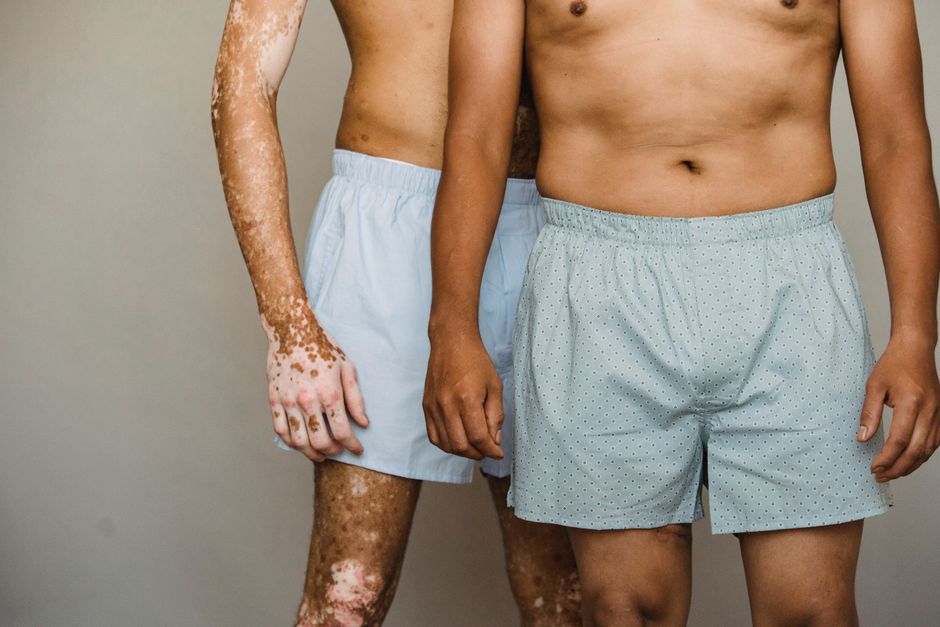
Psoriasis flare-ups happen when something triggers your immune system to speed up skin cell production. Normal skin cells grow and shed over about a month. In psoriasis, this process happens in days, causing cells to pile up as thick, scaly patches. Triggers vary from person to person, but the most common include stress, infections, skin injuries, certain medications, and weather changes. Knowing your specific triggers is the first step to controlling flare-ups.
What Cause Psoriasis Flare Ups?
Psoriasis is an autoimmune condition. Your immune system mistakenly attacks healthy skin cells. This attack signals your body to produce new skin cells faster than it can shed old ones. The result is the buildup of cells you see as plaques. A flare-up occurs when something activates this immune response. The trigger itself does not cause psoriasis. It causes the existing condition to become active or worse.
Different people have different triggers. What causes a flare for one person may not affect another. Keeping a symptom diary can help you identify your personal patterns. Note what you eat, your stress levels, medications, and weather exposure. Over time, patterns often become clear.
Is Stress a Major Trigger for Psoriasis Flares?
Yes. Stress is one of the most consistently reported triggers for psoriasis flare-ups. Research has shown a strong link between stressful life events and the onset or worsening of psoriasis symptoms. The exact mechanism involves stress hormones like cortisol. These hormones can influence immune system activity, which in turn affects skin cell production.
Stress does not just trigger new flares. It can also make existing plaques worse or slow down improvement during treatment. Managing stress is a practical part of psoriasis care. This does not mean stress causes psoriasis. It means stress can make the condition more active. Techniques like regular exercise, adequate sleep, and mindfulness practices may help some people reduce flare frequency.
Can Infections Trigger a Psoriasis Flare-Up?
Infections are a well-established trigger, especially strep throat. Streptococcal infections are strongly linked to guttate psoriasis, a form that appears as small, drop-shaped spots. This is most common in children and young adults, but it can happen at any age. The immune response to the bacteria can cross-react with skin cells, causing the characteristic rash.
Other infections can also trigger flares. Colds, flu, and respiratory infections stress the immune system. Any significant immune challenge can potentially activate psoriasis. This is why many people notice flares shortly after being sick. Treating the underlying infection often helps the psoriasis improve. If you notice a flare after an illness, consider whether a bacterial infection like strep may be involved.



How Do Skin Injuries Affect Psoriasis?
Skin injuries can cause psoriasis to appear at the site of the injury. This is called the Koebner phenomenon. It applies to cuts, scrapes, bug bites, sunburns, and even surgical incisions. New plaques can form exactly where the skin was damaged. This reaction is not fully understood, but it appears related to the skin’s healing and inflammatory response.
This means protecting your skin matters. Avoiding unnecessary trauma can help prevent new plaques. Use sunscreen to prevent sunburn. Wear protective gear during activities that cause scrapes or cuts. Be gentle with your skin during scratching, which can also trigger the Koebner response. If you notice psoriasis forming at injury sites, this may be one of your personal triggers.
Do Certain Medications Cause Psoriasis Flares?
Yes, some medications are known to trigger or worsen psoriasis. Lithium, used for bipolar disorder, is a well-documented trigger. Antimalarial drugs like chloroquine can also cause flares. Some blood pressure medications, particularly beta-blockers, have been linked to worsening psoriasis. Interferons and some other immune-modulating drugs can also trigger flares.
If you are starting a new medication and notice a psoriasis flare, discuss it with your doctor. Do not stop a prescribed medication on your own. Your doctor can help determine if the medication is the cause. They may be able to switch you to an alternative. The benefit of the medication for its original purpose must be weighed against its effect on your psoriasis.
Can Weather and Climate Affect Psoriasis?
Weather changes are a common trigger. Cold, dry weather often makes psoriasis worse. Low humidity dries out the skin, which can increase itching and scaling. Sunlight, on the other hand, often improves psoriasis. Ultraviolet (UV) light slows skin cell production. This is why psoriasis frequently improves in summer and worsens in winter.
This does not mean you should seek excessive sun exposure. Sunburn can trigger the Koebner phenomenon and make psoriasis worse. The key is moderate, controlled exposure. Many dermatologists use UV light therapy as a treatment. This is done in a controlled medical setting. For everyday life, keeping skin moisturized in dry weather is a practical preventive step.
What Role Do Diet and Alcohol Play in Flare-Ups?
The evidence on diet and psoriasis is mixed. Some studies suggest that weight loss can improve psoriasis severity in people who are overweight. This is likely related to reduced inflammation. Certain dietary patterns, like anti-inflammatory diets, show some promise, but no specific diet is proven to cure or consistently control psoriasis. The evidence is not strong enough to recommend one specific eating plan for everyone.
Alcohol is a more consistent concern. Heavy alcohol use is linked to worse psoriasis and poorer response to treatment. Alcohol can also interact with psoriasis medications. Some research suggests alcohol may directly trigger flares, though the exact mechanism is unclear. If you drink alcohol, moderation is a reasonable approach. Discuss your alcohol use with your doctor, especially if you take systemic medications for psoriasis.
How Can You Identify Your Personal Triggers?
Identifying your triggers takes time and observation. Start by keeping a simple journal. Record when flare-ups occur. Note your stress level, any illnesses, medications, weather changes, and skin injuries around that time. Look for patterns over several months. A single flare may be a coincidence. Repeated patterns are more meaningful.
Work with your dermatologist to manage your condition. They can help you distinguish true triggers from random variation in disease activity. Psoriasis is a chronic condition that naturally fluctuates. Not every flare has an identifiable cause. Some flares happen without any clear trigger. This is normal and does not mean you are doing something wrong.
Frequently Asked Questions
Can stress alone cause psoriasis to appear for the first time?
Stress can trigger the first onset of psoriasis in people who are genetically predisposed to the condition. It does not cause psoriasis in someone without the genetic susceptibility.
How long after a strep throat infection does a psoriasis flare appear?
Flare-ups typically appear one to two weeks after the strep infection begins. This delayed reaction is related to how the immune system responds to the bacteria.
Does quitting alcohol help psoriasis symptoms?
Reducing or stopping alcohol intake may improve psoriasis symptoms for some people, especially those who drink heavily. The evidence for benefit is strongest in people whose drinking is above moderate levels.
Are psoriasis flare-ups more common in certain seasons?
Yes, flare-ups are more common in winter and less common in summer for most people. This is largely due to reduced sunlight exposure and drier air during colder months.
