
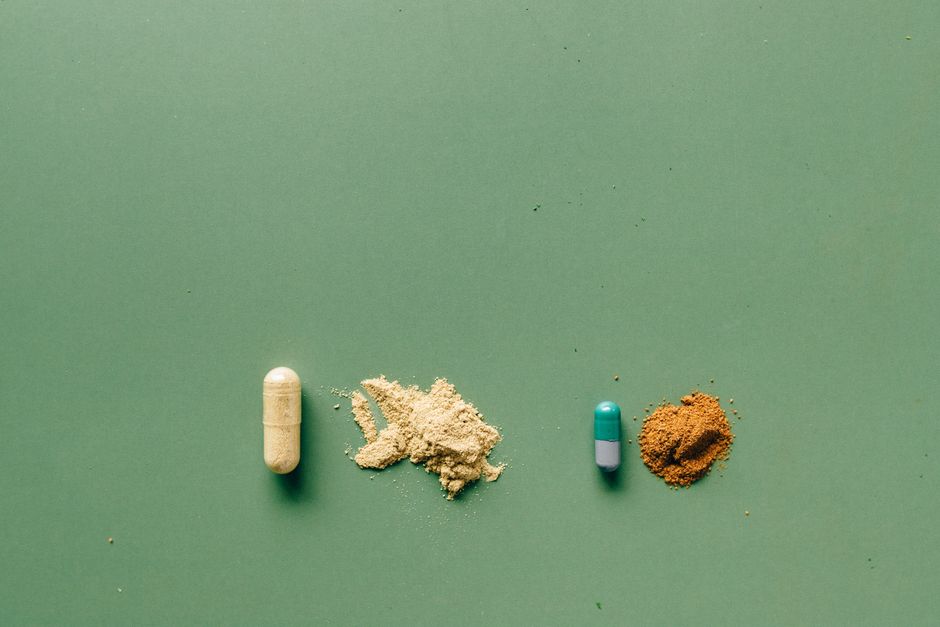
Yeast extract like Marmite is made by taking fresh brewer’s yeast, breaking open its cell walls to release the proteins inside, and then simmering those proteins with salt until enzymes naturally break them down into amino acids. That breakdown is what creates the dark, salty, savory spread with the intense umami flavor. Making a true clone at home is difficult, but you can make a similar savory spread using nutritional yeast and a few simple ingredients.
What Actually Is Yeast Extract?
Yeast extract is not the same as nutritional yeast, though many people confuse the two. Nutritional yeast is sold as dried, inactive yeast flakes. The yeast cells are still intact. Yeast extract, on the other hand, has had its cell walls broken down so the contents spill out and get processed.
The process relies on enzymes. When yeast cells are heated with water and salt, the yeast’s own enzymes start breaking down the large proteins inside the cells. Those proteins get cut into smaller pieces called amino acids. One amino acid in particular, glutamic acid, is responsible for the deep savory flavor. This is the same compound that gives parmesan cheese, tomatoes, and soy sauce their umami taste.
Salt plays a critical role in the process. It stops the yeast from fermenting while the enzymes do their work. It also acts as a preservative in the final product. Commercial yeast extracts like Marmite contain a significant amount of salt for this reason.
Can You Make True Yeast Extract at Home?
Making genuine yeast extract at home is technically possible but rarely practical. The process starts with fresh brewer’s yeast, which is a byproduct of beer making. Most home cooks do not have access to this ingredient. Fresh yeast is also highly perishable and must be used quickly.
The process requires precise temperature control. The yeast and salt mixture needs to be held at a specific warm temperature for several hours while the enzymes work. Too hot and the enzymes die. Too cool and the process takes much longer. Commercial manufacturers use carefully controlled conditions to achieve consistent results.
There is also the flavor issue. Fresh yeast has a bitter, raw taste that needs to be cooked and aged to develop the familiar Marmite flavor. Getting that exact balance of salty, savory, and slightly bitter notes is difficult outside a commercial setting.
How To Make a Marmite-Style Spread at Home
You can make a spread that mimics the flavor and texture of Marmite using nutritional yeast as a base. This is not a true yeast extract, but it produces a similar savory result with far less effort.
Here is a simple approach:
- Combine nutritional yeast flakes with water in a saucepan.
- Add a generous amount of salt. Salt is essential for both flavor and preservation.
- Add a small amount of soy sauce or tamari for extra umami depth.
- Add a tiny pinch of sugar. Commercial yeast extracts contain small amounts of sugars that develop during processing.
- Simmer gently, stirring constantly, until the mixture thickens into a dark paste.
- Add a few drops of dark food coloring if you want the deep brown-black appearance. This is optional and purely cosmetic.
The result will be a savory paste that works well on toast, in stews, or as a flavor booster. It will not be identical to Marmite. The flavor profile will be close but not exact, and the texture will be slightly different.





Is Nutritional Yeast the Same as Yeast Extract?
No. This distinction matters for anyone trying to replicate Marmite at home. Nutritional yeast is the whole yeast cell, dried and deactivated. Yeast extract is the broken-down contents of the cell.
Nutritional yeast has a flaky texture and a mild, cheesy, nutty flavor. Yeast extract is a thick, dark paste with an intense, salty, savory punch. They behave differently in cooking and cannot be swapped one-for-one in most recipes.
Nutritional yeast is also generally lower in sodium than yeast extract. Marmite is very high in salt. If you are watching your sodium intake, this difference matters. A single teaspoon of commercial yeast extract contains a meaningful portion of the recommended daily sodium limit.
What Does Marmite Taste Like and Why?
Marmite has a polarizing flavor. People tend to love it or hate it. The dominant taste is intensely salty and savory with a distinct bitterness underneath. There is also a subtle sweetness that balances the salt.
The savory quality comes from glutamic acid, which is released when the yeast proteins break down. The bitterness comes from other compounds, including certain amino acids and peptides produced during the enzymatic breakdown. The saltiness is simply added salt, which is present at high levels.
The texture is thick and sticky, almost like a soft paste. It spreads easily on warm toast but can be difficult to work with when cold. The dark color comes from the Maillard reaction, the same browning process that gives crusty bread and roasted meat their color and flavor.
Is Homemade Yeast Extract Safe to Eat?
Safety depends entirely on the ingredients and process. If you are making a spread from nutritional yeast, water, salt, and seasonings, the safety profile is similar to any homemade condiment. Keep it refrigerated and use it within a week or two.
If you attempt a true yeast extract using fresh brewer’s yeast, there are additional concerns. Fresh yeast is a living organism. It must be handled and processed correctly to prevent spoilage. The high salt content in commercial yeast extracts is what makes them shelf-stable. Replicating that salt concentration at home is difficult to do accurately.
No clinical guidelines exist for homemade yeast extract preparation. This is not a standardized food product. If you are uncertain about your process or ingredients, the safer choice is to purchase a commercial product.
Nutritional Differences Between Homemade and Store-Bought
Commercial yeast extracts like Marmite are notable for their vitamin content. They are a source of B vitamins, including B12, which is uncommon in plant-based foods. This is a major reason some people consume them regularly.
A homemade spread made from nutritional yeast will contain some B vitamins, but the amounts vary depending on the brand of nutritional yeast and how it is processed. Some nutritional yeast products are fortified with additional B vitamins. Others are not. Check the label if this matters to you.
Sodium levels are another key difference. Commercial yeast extract is very high in salt. A homemade version can be made with less salt, but reducing the salt changes the flavor and shortens the shelf life. You cannot have it both ways.
How To Use Your Homemade Yeast Extract
The most traditional use is on buttered toast. A thin layer spread over hot toast with butter is the classic British preparation. The heat softens the spread and mellows some of the intensity.
Yeast extract also works as a flavor booster in cooking. A small spoonful added to soups, stews, or gravy adds depth and savory richness. It functions similarly to a bouillon cube or a dash of soy sauce.
Some people use it to make a hot drink by dissolving a small amount in boiling water. This is more common with commercial products and less common with homemade versions. Start with a tiny amount. Yeast extract is potent, and a little goes a long way.
Common Mistakes When Making Yeast Extract at Home
The most common mistake is using too little salt. Salt is not just for flavor. It prevents the yeast from fermenting and acts as a preservative. Without enough salt, you may end up with a fermented mess rather than a savory paste.
Another mistake is cooking at too high a temperature. High heat destroys the enzymes needed to break down the proteins. The result is a bitter, unappetizing paste. Gentle simmering is the goal.
Expecting an exact Marmite clone is also a mistake. Commercial production involves specific yeast strains, controlled conditions, and a proprietary process. Home methods produce something similar but not identical. That is fine, but it is worth knowing before you start.
Alternatives to Making Yeast Extract at Home
If you want the flavor without the effort, there are alternatives. Commercial yeast extracts are widely available in grocery stores and online. Marmite is the most famous brand, but there are others, including Vegemite, which is similar but has a slightly different flavor profile.
Other savory condiments can fill a similar role. Soy sauce, miso paste, and fish sauce all provide umami and saltiness. They are not yeast extracts, but they can add depth to cooking in similar ways.
Some people use bouillon cubes or stock concentrates as a substitute. These are not yeast-based but can provide the savory boost you are looking for in soups and stews.
Frequently Asked Questions
Can I use baker’s yeast instead of brewer’s yeast?
Baker’s yeast is a different strain than brewer’s yeast and will produce a different flavor. You can try it, but the result may be more bitter and less like commercial yeast extract.
How long does homemade yeast extract last?
Refrigerated homemade spreads made from nutritional yeast generally last one to two weeks. True yeast extract made from fresh yeast has a shorter shelf life and should be used within a few days.
Is Marmite good for you?
Marmite is a source of B vitamins, including B12, but it is also very high in sodium. It can fit into a balanced diet in small amounts, but it should not be eaten in large quantities.
Why is my homemade yeast extract bitter?
Bitterness usually comes from cooking at too high a temperature or from the natural bitterness of the yeast itself. Gentle heat and a small amount of sugar can help balance the flavor.
