
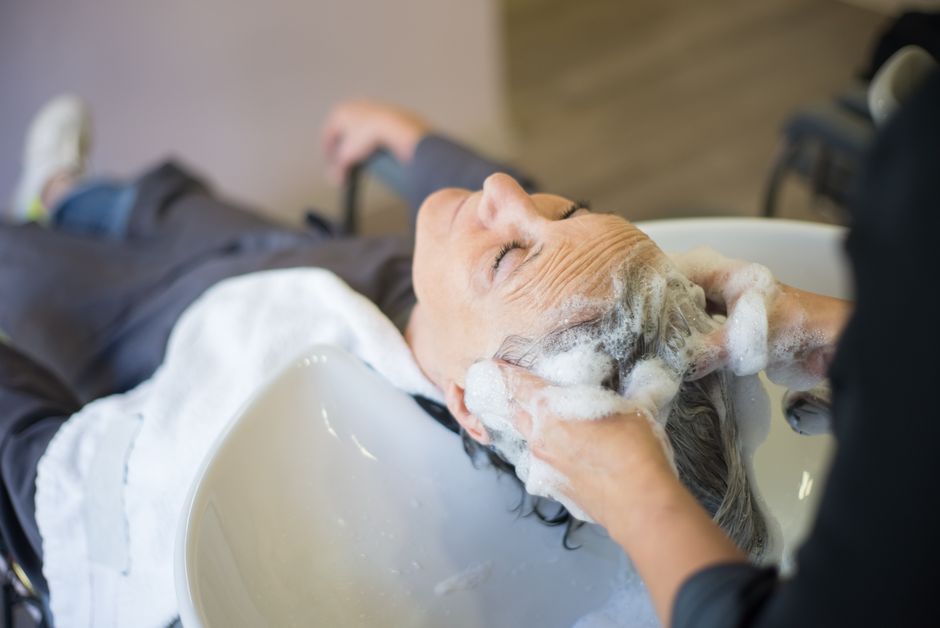
Shampooing your hair sounds simple, but most people make a few small mistakes that affect how their hair looks and feels. The basic method is straightforward: wet your hair completely, apply shampoo to your scalp, massage gently with your fingertips, and rinse thoroughly. The details matter more than you might think, especially how you handle your scalp versus the lengths of your hair.
How Often Should You Shampoo Your Hair?
There is no single answer that works for everyone. Hair type, scalp oiliness, styling habits, and even the climate you live in all play a role.
For most people, washing every 2 to 3 days is a reasonable starting point. People with very oily scalps may need daily washing. People with dry, curly, or chemically treated hair often do better washing once a week or less.
The scalp produces sebum, a natural oil that travels down the hair shaft. Washing too often strips this oil, which can trigger the scalp to produce more oil to compensate. Washing too rarely lets oil and dead skin cells build up, which can lead to flakes and irritation.
There is no medical requirement to wash your hair on any fixed schedule. Listen to your scalp. If your hair looks greasy at the roots or your scalp feels itchy, it is time to wash. If your hair feels dry or brittle, you can stretch the time between washes.
How To Shampoo Your Hair: Step by Step
Start with warm water, not hot. Hot water strips natural oils faster and can irritate the scalp. Warm water opens the cuticle slightly, which helps the shampoo work.
Wet your hair completely. Shampoo does not lather or spread well on dry patches of hair, and you may end up using more product than necessary.
Pour a small amount of shampoo into your palm. A quarter-sized amount works for most people with short to medium hair. People with very long or thick hair may need more. Rub your palms together, then apply the shampoo directly to your scalp.
Use your fingertips to massage the scalp in small circles. Focus on the scalp, not the ends of your hair. The shampoo that runs down the hair shaft when you rinse is enough to clean the lengths. Scrubbing the ends directly can dry them out.
Do not use your fingernails. Scratching the scalp with nails can cause micro-tears in the skin, which can become irritated or infected. Your fingertips are sufficient.
Rinse thoroughly with warm water. Shampoo residue left on the scalp can cause itching and buildup. Rinse until the water runs clear and the hair feels clean, not slippery.
If you use conditioner, apply it only to the mid-lengths and ends of your hair. Keep it away from the scalp unless you have very dry scalp skin and a product designed for that purpose.
What Happens When You Shampoo Too Much
Over-washing is the most common shampoo mistake. The evidence is not controversial here: frequent washing with harsh detergents removes sebum faster than the scalp can replace it.
When sebum is stripped repeatedly, the scalp can become dry and irritated. In response, some scalps overproduce oil, creating a cycle of greasy roots and dry ends. This is one reason people feel like they “need” to wash daily even though their hair would adjust to a longer interval.
Frequent washing also affects the hair shaft itself. Hair is made of a protein called keratin, and the outer layer, the cuticle, can be damaged by repeated exposure to detergents and water. This makes hair look dull and feel rough.
If your hair feels squeaky clean after washing, that is not necessarily a good sign. That squeaky feeling can mean the shampoo stripped away too much of the natural oil that keeps hair flexible.




What Happens When You Shampoo Too Little
Going too long between washes has its own problems. Sebum, sweat, dead skin cells, and product buildup accumulate on the scalp. This can lead to a condition called seborrheic dermatitis, which causes flaking and itching.
Buildup on the scalp can also affect hair growth. The hair follicle needs a clean environment to function normally. While occasional buildup is not dangerous, chronic buildup can contribute to scalp inflammation.
For people who use styling products like gels, waxes, or dry shampoos, regular washing is important. These products are not designed to stay on the scalp indefinitely. They can mix with sebum and create a sticky film that is hard to remove.
There is no standard cutoff for “too little” washing. If your scalp is comfortable and your hair looks healthy, your routine is working for you.
Choosing the Right Shampoo
Shampoo labels can be confusing. The marketing language is often vague, and many claims are not backed by strong clinical evidence. Focus on what is actually in the bottle.
Look for a shampoo that matches your scalp type. If you have an oily scalp, a clarifying shampoo or one labeled for oily hair can help. If you have a dry or sensitive scalp, choose a gentle, sulfate-free formula.
Sulfates are detergents that create the foamy lather. They clean effectively but can be harsh for some people. Sodium lauryl sulfate and sodium laureth sulfate are the most common ones. Sulfate-free shampoos use milder surfactants and are generally less stripping.
Anti-dandruff shampoos contain active ingredients like zinc pyrithione, salicylic acid, or ketoconazole. These are real treatments with clinical evidence behind them. If you have persistent dandruff, these products can genuinely help. If you do not have dandruff, they are not necessary.
No shampoo can repair damaged hair. Shampoo cleans. Conditioners and treatments can temporarily smooth the cuticle, but once hair is damaged, it stays damaged until it grows out and is cut off. Be skeptical of any product that claims to “repair” split ends.
Common Shampoo Mistakes To Avoid
Several habits are worth breaking. These are not controversial — dermatologists consistently point to them as common errors.
- Using too much product. More shampoo does not mean cleaner hair. It means more residue to rinse out.
- Shampooing the ends. The ends are the oldest, most fragile part of the hair. They do not need direct shampooing.
- Washing with very hot water. Hot water strips oils and can irritate the scalp.
- Skipping the rinse. Rinsing thoroughly is part of washing, not an optional step.
- Applying conditioner to the scalp. This can weigh down the roots and contribute to buildup.
- Rubbing hair dry with a towel. This damages the cuticle. Pat or squeeze the hair instead.
One more common mistake is washing hair in the shower while standing under the water stream. This spreads the shampoo and makes it hard to control where the product goes. Step back from the water flow when applying shampoo so it stays where you put it.
Special Considerations for Different Hair Types
Curly and coily hair is naturally drier than straight hair. The oil from the scalp has a harder time traveling down curly hair shafts because of the bends and twists. People with curly hair often need less frequent washing and more conditioning.
Fine, straight hair tends to look greasy faster. People with this hair type often wash more frequently. A dry shampoo between washes can help absorb excess oil without stripping the scalp.
Color-treated hair benefits from shampoos designed for colored hair. These are typically gentler and help slow color fading. However, no shampoo prevents fading entirely — that is a marketing claim not supported by evidence.
Thinning hair requires gentle handling. The hair that remains is often fragile. Use a mild shampoo and avoid aggressive scrubbing. Some dermatologists recommend volumizing shampoos for thinning hair, but the evidence that they change hair growth is limited. They can make hair look fuller by adding texture, which is a cosmetic effect, not a medical one.
How To Shampoo Your Hair Properly Every Time
If you remember nothing else, remember this sequence: wet, apply to scalp, massage with fingertips, rinse well.
Use warm water throughout. Apply shampoo only to the scalp. Let the suds run down the hair shaft as you rinse. Condition the ends only. Finish with a cool water rinse if you want to help smooth the cuticle — this is a cosmetic effect, but it is harmless and some people find it helpful.
Do not expect immediate changes. If you are adjusting your washing frequency, give your scalp two to four weeks to adapt. During that transition, your hair may feel different than you are used to.
The goal is healthy scalp skin and clean hair, not a specific schedule. If your routine produces comfortable scalp and hair that looks and feels good, you are doing it right.
Frequently Asked Questions
How many times a week should I shampoo my hair?
Most people do well washing every 2 to 3 days, but oily hair may need daily washing and dry or curly hair may need less. Adjust based on how your scalp feels and how your hair looks.
Should I shampoo my scalp or the ends of my hair?
Shampoo the scalp only. The suds that run down the hair shaft when you rinse are enough to clean the lengths.
Is it bad to shampoo your hair every day?
Daily washing is not harmful if you have an oily scalp and use a gentle shampoo. For most people, daily washing strips natural oils and can lead to dryness or excess oil production.
Does hot water damage your hair when shampooing?
Hot water strips natural oils faster than warm water and can irritate the scalp. Use warm water to wash and rinse.
