
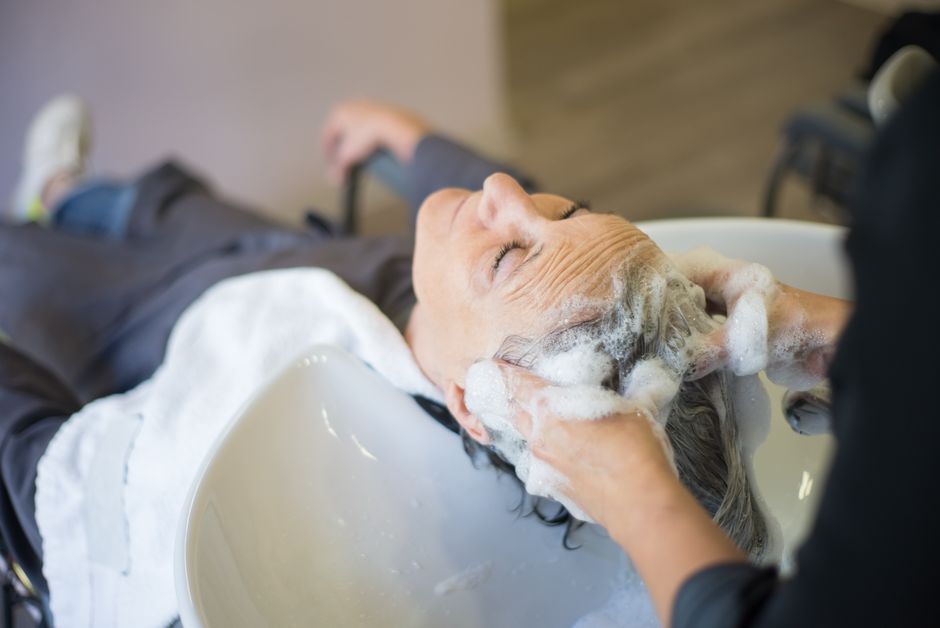
No, lice shampoo will not kill fleas on human hair in any reliable way. Lice shampoos are formulated and tested against head lice and their eggs, not fleas. Fleas that land on a person are usually there briefly, and the products designed for lice are not approved or proven for flea control. Using them for that purpose exposes you to unnecessary pesticide without solving the actual problem, which is almost always in your home or on a pet.
Does Lice Shampoo Kill Fleas on Human Hair?
It does not. The active ingredients in lice shampoo are chosen because they kill lice and sometimes their eggs. Fleas are a different insect with different biology, and no lice product is labeled or tested to kill them.
Head lice live on the human scalp. They feed on blood from the scalp and attach their eggs, called nits, to hair shafts near the skin. Fleas are a separate insect. The species that most often bites people, the cat flea, lives and breeds on animals and in the environment, not on human hair. When a flea bites a person, it usually does so and then leaves. It does not take up residence in your hair the way a louse does.
That difference matters. A product made to kill an insect that lives on your scalp is not automatically useful against an insect that mostly lives elsewhere. The label on any lice shampoo lists head lice as the target. Using it against fleas is off-label and unsupported.
Why Do People Think Lice Shampoo Kills Fleas?
The confusion comes from a few places. Some lice shampoos contain insecticides from a class called pyrethroids, and some flea products for pets and homes also contain pyrethroids. Same chemical family, so people assume the products are interchangeable. They are not.
Formulation matters as much as the active ingredient. A lice shampoo is designed to spread across the scalp and coat hair shafts. A flea product for a dog is designed to distribute across fur and skin and, in some cases, to stay active for weeks. The concentration, the carrier ingredients, and the contact time are all different. A chemical that kills fleas in one formulation may not work at all in another.
There is also a reporting problem. If someone finds a flea on their arm, washes their hair with lice shampoo, and never sees another flea, they may credit the shampoo. In reality, most fleas that land on a person leave on their own. The shampoo gets credit for something that would have happened anyway.
What Are Lice Shampoos Actually Approved to Treat?
Lice shampoos are approved to treat head lice infestations, and some are also used for pubic lice. That is the scope. They are not approved for fleas, and no regulatory body has cleared them for that use.
Most over-the-counter lice products in the United States use one of a small number of active ingredients. The most common is permethrin, a synthetic pyrethroid. Others include pyrethrins combined with piperonyl butoxide. Prescription options exist for lice that do not respond to over-the-counter treatment.
The reason these products work on lice is specific. Lice are adapted to life on a human head and are vulnerable to these chemicals at the concentrations and contact times used. Fleas have different physiology, and more importantly, they are not living on your scalp where the shampoo is applied. Even if a lice shampoo could kill a flea on contact, it would only reach fleas that happened to be in your hair at that moment. It would do nothing about the eggs, larvae, and adults in your carpet, bedding, and yard.



Can Fleas Live and Breed in Human Hair?
No. Human hair is not a suitable habitat for fleas. They cannot complete their life cycle on a person.
Flea eggs are laid in the environment, not on a host. A female flea typically lays eggs after feeding, and those eggs fall off into bedding, carpet, or soil. The larvae that hatch feed on organic debris and dried blood, not on a living host. Only the adult flea bites. This is why a flea problem is treated by targeting the environment and the animal host, not by washing human hair.
This is a point people often miss. Finding a flea on yourself does not mean you are infested. It usually means there is a source nearby, such as a pet or an area where an animal rests. The flea is a visitor, not a resident.
What Actually Gets Rid of Fleas?
Flea control works on two fronts: the animal and the environment. Skipping either one usually means the problem comes back.
On pets, veterinary flea treatments are the main tool. These include topical products and oral medications, and they are prescribed or recommended by a veterinarian based on the animal and its health. Some treat adult fleas, and some also interrupt the flea life cycle by preventing eggs and larvae from developing. A veterinarian can advise on what fits a specific pet.
In the home, the goal is to remove eggs, larvae, and adults from where they live:
- Vacuum carpets, rugs, upholstery, and cracks in floors often. This removes eggs and larvae and can prompt adults to emerge from cocoons.
- Wash pet bedding and your own bedding in hot water.
- Keep lawns and outdoor areas where pets rest trimmed and clear of debris.
- Treat the home with an appropriate product when needed, following label directions carefully.
Wildlife and stray animals can keep reintroducing fleas to a yard. In some cases, treating the yard is part of the solution. A pest control professional can help when an infestation is stubborn.
For bites on your skin, the treatment is simple. Wash the area with soap and water. An over-the-counter anti-itch cream or an oral antihistamine can help with itching. See a doctor if bites become infected, if you have a severe reaction, or if the problem does not improve.
Are There Risks to Using Lice Shampoo Off-Label?
Yes. Lice shampoos contain pesticides, and using them on the wrong problem means exposing yourself to a chemical for no benefit.
Permethrin and similar ingredients can cause skin irritation, redness, and itching. Some people are allergic to them. Applying a lice shampoo repeatedly in an attempt to kill fleas increases the chance of a reaction and does nothing to address the source of the fleas.
There is also a broader concern. Using insecticides when they are not needed can contribute to resistance over time. Head lice in many areas have developed resistance to some of the most common over-the-counter treatments. Misusing these products for fleas does not help anyone and may make the products less useful for the problem they were designed to solve.
If you have used a lice shampoo on your hair and have symptoms like a rash, swelling, or trouble breathing, treat it as a possible reaction and seek medical help. For accidental ingestion or use on a child, contact poison control right away.
What Should You Do If You Find Fleas on Yourself?
Treat it as a signal, not a personal infestation. Finding a flea on your body means there is a source nearby. The next step is to find and treat that source, not to wash your hair with lice shampoo.
Start with pets. Check them for fleas, flea dirt, and scratching. If you have pets, talk to a veterinarian about flea treatment. If you do not have pets, look for other sources. Stray cats, rodents, and wildlife around a home or yard can carry fleas. In multi-unit buildings, fleas can sometimes move between units.
Then address the environment. Vacuum thoroughly and often, wash bedding, and treat areas where pets rest. If the problem persists, a pest control professional can assess the situation and identify where the fleas are breeding.
For your own skin, simple care is enough. Wash bites, avoid scratching, and use an anti-itch product if needed. Flea bites usually heal on their own within a few days to a couple of weeks.
When to See a Doctor or Veterinarian
See a doctor if flea bites become infected, if you develop a widespread rash, or if you have signs of an allergic reaction such as swelling or difficulty breathing. People who are allergic to flea saliva can have stronger reactions, and in rare cases flea bites have been linked to other health concerns, though this is uncommon in typical household situations.
See a veterinarian for any pet with fleas. Pets can develop skin infections, hair loss, and anemia from heavy infestations, especially young or small animals. A veterinarian can recommend a treatment that fits your pet’s age, weight, and health.
If you have tried to control fleas at home and the problem continues, a pest control professional can help. Persistent infestations often have a source that is easy to miss.
Frequently Asked Questions
Does lice shampoo kill fleas on human hair?
No. Lice shampoos are formulated and approved to kill head lice and their eggs, not fleas, and no lice product is labeled or tested for flea control. Using one for fleas exposes you to a pesticide without addressing the real source of the problem.
Can fleas live in human hair?
No. Fleas cannot complete their life cycle on a person. They lay eggs in the environment, such as carpet and bedding, and only adult fleas bite, usually leaving the person shortly after.
What kills fleas on humans?
Fleas that land on a person usually leave on their own, and no treatment is needed for the hair. Wash flea bites with soap and water, and use an anti-itch cream or oral antihistamine if itching is bothersome.
How do you get rid of fleas in your home?
Treat pets with a veterinarian-recommended flea product and address the environment by vacuuming often, washing bedding in hot water, and treating areas where pets rest. If the problem continues, a pest control professional can help find the source.
