
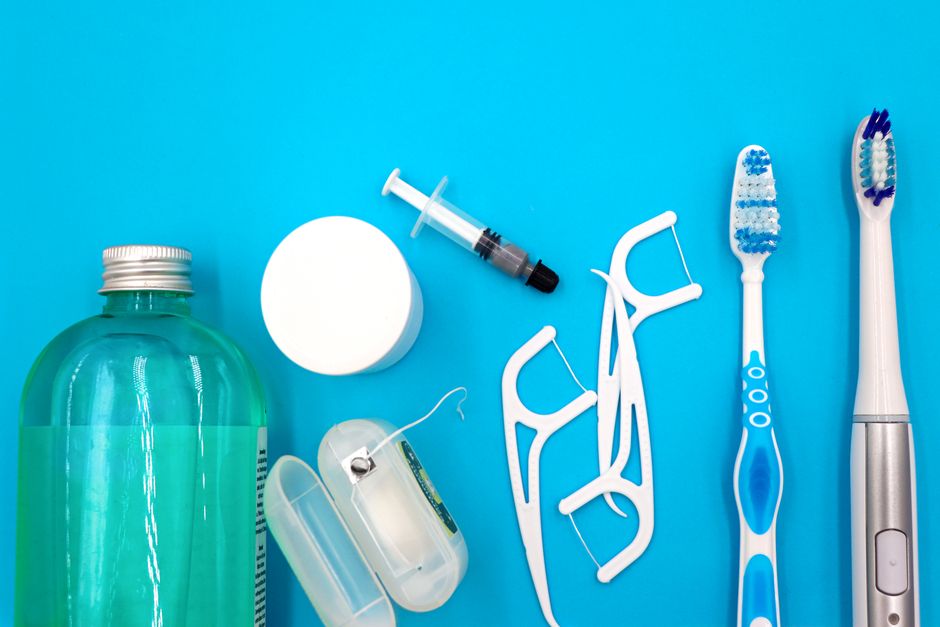
Dental plaque is that sticky, colorless film that forms on your teeth throughout the day. It is a bacterial biofilm, and if you do not remove it regularly, it hardens into tartar, which only a dentist can scrape off. The way to remove plaque is straightforward and backed by decades of dental research: consistent mechanical cleaning with a toothbrush and floss, combined with the right technique and timing.
What Exactly Is Dental Plaque and Why Does It Matter?
Plaque forms when bacteria in your mouth mix with sugars and starches from food. These bacteria produce acids that attack tooth enamel. If you leave plaque on your teeth for more than 24 to 48 hours, it starts to mineralize and turn into tartar, also called calculus.
Tartar is hard and porous. It creates a rough surface where even more bacteria can stick. Once plaque hardens into tartar, you cannot remove it with a toothbrush at home. Only a dental professional can scale it off.
Research shows that plaque buildup is the primary cause of gingivitis, the early stage of gum disease. Gingivitis causes red, swollen gums that bleed easily. If left untreated, it can progress to periodontitis, which damages the bone supporting your teeth. Current research suggests that about 50% of adults over 30 have some form of periodontal disease.
How To Remove Dental Plaque at Home: What Actually Works
The most effective way to remove plaque is mechanical action. A toothbrush physically scrapes the biofilm off the surfaces of your teeth. Studies have found that brushing for a full two minutes removes significantly more plaque than brushing for one minute or less.
You need a soft-bristled toothbrush. Hard bristles can damage your gums and wear down enamel over time. Electric toothbrushes, especially those with oscillating-rotating heads, have been shown in clinical trials to remove more plaque than manual brushes. That does not mean a manual brush is useless. It means technique matters more than the tool.
Here is what the evidence says about technique:
- Hold your brush at a 45-degree angle to your gums
- Use short, gentle strokes about the width of one tooth
- Brush the outer, inner, and chewing surfaces of every tooth
- Do not scrub hard. Let the bristles do the work
- Spend 30 seconds on each quadrant of your mouth
Flossing is equally important. A toothbrush cannot reach between teeth or under the gumline. Floss removes plaque from these tight spaces. Studies have found that flossing before brushing allows fluoride from toothpaste to reach more surfaces between teeth. Some people report that water flossers are easier to use, and evidence indicates they can be as effective as string floss for reducing plaque and gingivitis.
Do Toothpaste and Mouthwash Help Remove Plaque?
Toothpaste helps in two ways. The abrasives in toothpaste assist the mechanical scrubbing action. Fluoride strengthens enamel and makes it more resistant to acid attacks from plaque bacteria. Some toothpastes contain triclosan or stannous fluoride, which have antibacterial properties. Research shows these can reduce plaque and gingivitis slightly more than standard fluoride toothpaste.
Mouthwash is a different story. Most mouthwashes are antiseptic. They kill bacteria temporarily. But they cannot remove the sticky biofilm that is already attached to your teeth. Mouthwash is a supplement, not a replacement for brushing and flossing.
Some studies suggest that chlorhexidine mouthwash, which is available by prescription, can reduce plaque significantly. But it has side effects. It can stain your teeth brown, alter your sense of taste, and increase tartar buildup over time. For daily use, over-the-counter mouthwashes with essential oils or cetylpyridinium chloride have some evidence of benefit, but the effect is modest.
The bottom line is that mouthwash can help reduce bacterial load, but it does not physically remove plaque. If you use it, do so after brushing and flossing, not instead of them.




What About Natural Remedies and Oil Pulling?
Oil pulling is an ancient Ayurvedic practice where you swish oil, usually coconut oil, in your mouth for 15 to 20 minutes. Some people report whiter teeth and fresher breath after doing this regularly. As of 2026, there is no clinical evidence that oil pulling removes plaque more effectively than brushing and flossing.
A few small studies have looked at oil pulling. They found that it can reduce the number of bacteria in the mouth temporarily. But the mechanical action of oil pulling is much weaker than brushing. The oil does not have the abrasiveness needed to dislodge the sticky biofilm that is firmly attached to tooth surfaces.
Baking soda is another popular natural remedy. It is mildly abrasive. Some toothpastes contain baking soda for this reason. Research shows that baking soda-based toothpastes can remove plaque effectively. But using straight baking soda can be too abrasive. It can wear down enamel if used aggressively or too often.
Other natural options like activated charcoal have become trendy. Charcoal is highly abrasive. It can remove surface stains, which makes teeth look whiter temporarily. But it also wears down enamel over time. There is no strong evidence that charcoal removes plaque better than standard toothpaste. Many dentists advise against using it daily.
How Often Should You Remove Plaque and What Happens If You Do Not?
Plaque begins to form within hours after brushing. It reaches its peak thickness in about 24 hours. This is why dentists recommend brushing twice a day and flossing once a day. You are essentially resetting the bacterial growth cycle every time you clean thoroughly.
If you skip brushing for a day, the plaque becomes thicker and more organized. The bacteria start producing more acid. Your gums may start to feel irritated. After about 48 hours without brushing, the plaque begins to mineralize into tartar. Once that happens, you cannot reverse it at home.
Here is a comparison of what happens with and without regular plaque removal:
| Routine | Plaque Status | Gum Health | Risk of Tartar |
|---|---|---|---|
| Brushing 2x daily, flossing 1x daily | Removed every 12-24 hours | Healthy, no bleeding | Low |
| Brushing 1x daily, no flossing | Builds up between teeth | May bleed occasionally | Moderate |
| Brushing irregularly, no flossing | Thick biofilm forms | Red, swollen, bleeds easily | High |
| No brushing for 48+ hours | Mineralizing into tartar | Gingivitis likely | Very high |
Professional cleanings every six months remove any tartar that has formed. Even with perfect home care, some plaque will harden in hard-to-reach areas. These cleanings also allow your dentist to catch early signs of gum disease or cavities.
Common Misconceptions About Plaque Removal
One widespread myth is that hard brushing removes more plaque. It does not. Hard brushing can actually push plaque deeper under the gumline. It also damages gum tissue and wears down enamel. Gentle, thorough brushing with a soft brush is more effective and safer.
Another misconception is that whitening toothpastes remove plaque. Most whitening toothpastes contain mild abrasives or chemicals that break down stains. They may make your teeth look cleaner, but they do not remove plaque any better than regular fluoride toothpaste. Whitening strips and gels do not remove plaque at all. They only bleach the enamel.
Some people believe that dental picks or toothpicks can replace flossing. They cannot. Toothpicks are too large to fit between tight teeth. They can damage gums if used aggressively. Interdental brushes, which are small brushes designed to clean between teeth, have strong evidence of effectiveness. But they need to be the right size for each gap.
There is also a belief that if your gums bleed when you floss, you should stop. The opposite is true. Bleeding gums are a sign of inflammation caused by plaque buildup. Continuing to floss gently will remove the plaque, and the bleeding will stop within a week or two as the gums heal.
Frequently Asked Questions
Can you remove hardened tartar at home?
No. Once plaque hardens into tartar, only a dental professional can remove it with specialized tools. Attempting to scrape it off at home can damage your enamel and gums.
How long does it take for plaque to turn into tartar?
Plaque begins to mineralize within 24 to 48 hours if not removed. Complete hardening into tartar usually takes about 10 to 14 days.
Does an electric toothbrush remove more plaque than a manual one?
Studies have found that electric toothbrushes with oscillating-rotating heads remove slightly more plaque and reduce gingivitis more effectively than manual brushes. But good technique with a manual brush is still highly effective.
Is it better to floss before or after brushing?
Flossing before brushing allows fluoride from toothpaste to reach more surfaces between teeth. Current research supports flossing first for better plaque removal.
