
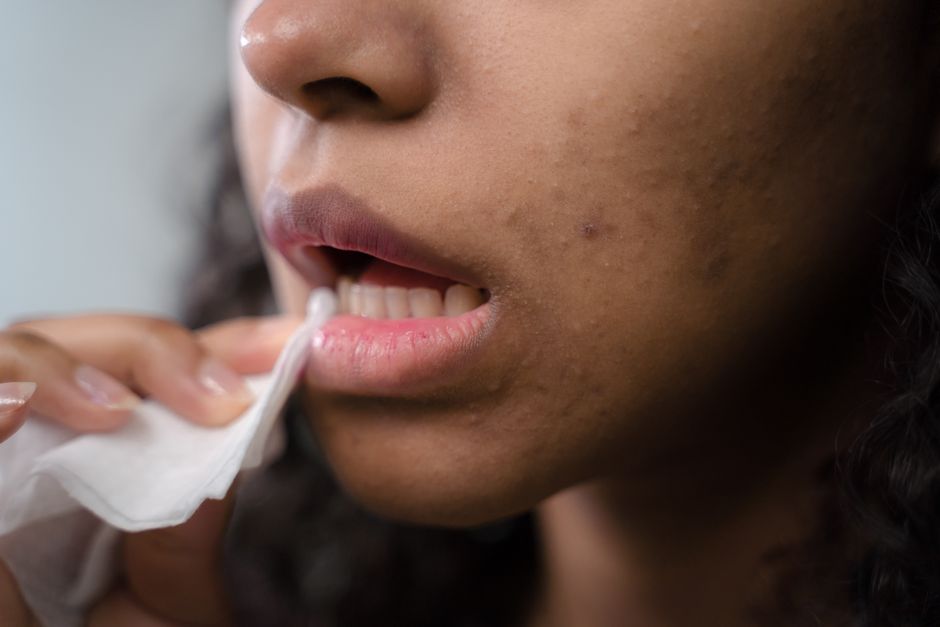
If you search online for how to remove a hickey in seconds with toothpaste, you will find plenty of claims. The direct answer is that toothpaste cannot remove a hickey in seconds. A hickey is a bruise caused by broken blood vessels under the skin. No paste, cream, or home remedy can make those vessels heal instantly. The idea that toothpaste works quickly is a viral myth with no real evidence behind it.
What Actually Causes a Hickey?
A hickey forms when suction or pressure breaks small blood vessels called capillaries just under the skin. The blood leaks out into the surrounding tissue. That is what creates the red or purple mark. Over time, your body breaks down that blood and reabsorbs it. This process takes days, not seconds.
The color changes you see are a normal part of healing. Fresh hickeys are red or purple because the blood is still oxygenated. As the body breaks down hemoglobin, the color shifts to blue, then green, then yellow-brown. You cannot skip these stages with a dab of toothpaste.
Some people think toothpaste works because it contains ingredients like baking soda or menthol. These can create a cooling or tingling sensation. That sensation might distract you from the mark, but it does not heal the blood vessels or clear the trapped blood. Research on bruise healing consistently shows that time and the body’s natural processes are the only reliable factors.
Does How To Remove A Hickey In Seconds With Toothpaste Actually Work?
No. The claim that toothpaste removes a hickey in seconds is not supported by any clinical evidence. Studies on bruise treatment have looked at things like ice, arnica, and vitamin K creams. Toothpaste has never been studied for this purpose in any reputable medical journal. As of 2026, current research suggests that the fastest way to reduce a bruise is to apply cold early and keep the area elevated if possible.
The belief likely started because toothpaste can dry out skin or cause mild irritation. That irritation might make the skin look red or flushed temporarily. That redness could make the purple mark less noticeable for a few minutes. But it does not remove the bruise. The trapped blood is still there underneath.
Some people report that toothpaste helps because it contains baking soda, which is mildly abrasive. The idea is that scrubbing the area with toothpaste might break up the clotted blood. But scrubbing a bruise can actually make it worse. It can break more capillaries and spread the blood further. That can make the hickey larger and more painful.
If you want to reduce the appearance of a hickey quickly, there are better options. Cold compresses, concealer makeup, and time are the only methods with any real evidence behind them. Toothpaste is not one of them.
What Does Research on Bruise Treatment Show?
Medical research on bruise treatment is limited but consistent. The most effective early step is ice. Applying a cold pack within the first 24 to 48 hours can reduce swelling and slow blood flow to the area. That can limit the size of the bruise. After 48 hours, heat can help increase blood flow and speed up reabsorption of the trapped blood.
One study published in the Journal of the American Academy of Dermatology looked at arnica gel for bruising. It found that arnica might reduce bruise size slightly compared to a placebo. But the effect was modest and required multiple applications over several days. No study has shown anything that works in seconds.
Vitamin K cream is sometimes used in medical settings to reduce bruising after cosmetic procedures. A small study found that patients who applied vitamin K cream twice daily had smaller bruises after laser treatment. But again, this took days to show results. It did not work instantly.
There is no research showing that toothpaste, baking soda, vinegar, or any common household product can remove a hickey quickly. If you see a viral video claiming otherwise, it is likely edited or misleading. The science of bruise healing is straightforward. It takes time for the body to break down and reabsorb blood. No shortcut exists.


What Are the Side Effects of Using Toothpaste on a Hickey?
Using toothpaste on a hickey is not dangerous for most people, but it can cause problems. Toothpaste contains ingredients designed for teeth, not skin. These include sodium lauryl sulfate, which can be drying and irritating to sensitive skin. The area around a hickey is already tender and inflamed. Adding an irritant can make it worse.
Common side effects include redness, peeling, and a stinging sensation. Some people develop contact dermatitis, which is a rash caused by an allergic reaction to an ingredient in the toothpaste. This can look like a red, itchy, or bumpy patch of skin. It can take days to clear up and may require treatment with a mild steroid cream.
Scrubbing the area with toothpaste can also cause micro-tears in the skin. This can introduce bacteria and lead to infection. If you notice increasing pain, warmth, or pus, see a healthcare provider. Infections from minor skin injuries are rare but possible.
There is also a risk of making the hickey more visible. The irritation from toothpaste can cause the skin to swell slightly. That swelling can push the trapped blood outward, making the bruise appear larger. You might end up with a bigger mark than you started with.
| Method | Evidence Level | Time to Noticeable Effect |
|---|---|---|
| Cold compress (ice) | Strong | Within minutes (reduces size, not color) |
| Arnica gel | Moderate | 1-3 days |
| Vitamin K cream | Moderate for post-procedure bruising | 2-4 days |
| Toothpaste | None | No proven effect |
| Concealer makeup | Strong for hiding appearance | Immediate (cosmetic only) |
What Actually Helps a Hickey Heal Faster?
If you want to speed up healing, focus on methods that support your body’s natural processes. The most effective approach combines cold, gentle massage, and patience. Here are steps that have some evidence behind them:
- Apply cold early. Within the first 24 hours, use an ice pack wrapped in a cloth for 10-15 minutes at a time. This constricts blood vessels and can limit the size of the bruise.
- Use gentle heat after 48 hours. A warm compress can increase blood flow to the area, which helps your body reabsorb the trapped blood faster.
- Elevate the area. If the hickey is on a part of the body you can elevate, like a shoulder or neck, propping it up can reduce blood flow to the area.
- Consider arnica gel. Some studies suggest it may help slightly, though results are mixed. Apply as directed on the package.
- Use concealer for immediate coverage. Green-tinted concealer neutralizes red and purple tones. This is the only way to make a hickey disappear instantly.
None of these methods work in seconds. But they are safer and more effective than toothpaste. If you need the mark gone for a specific event, makeup is your best option. If you have time, let your body heal naturally. Most hickeys fade significantly within 3 to 5 days and are completely gone within 1 to 2 weeks.
Common Misconceptions About Hickey Removal
There are many myths about hickey removal that spread online. One common claim is that brushing the area with a comb or spoon can break up the blood. This is not true. Applying pressure to a bruise can actually push blood into surrounding tissue, making the mark larger. It can also cause pain and increase inflammation.
Another myth is that using a cold spoon straight from the freezer works like ice. A cold metal spoon can reduce temperature slightly, but it is not as effective as a proper cold compress. The spoon warms up quickly and does not provide sustained cooling. Ice cubes wrapped in a thin cloth work better.
Some people recommend vitamin E oil or aloe vera gel. These are moisturizing and may soothe the skin, but there is no evidence they speed up bruise healing. Vitamin E can actually cause contact dermatitis in some people. Aloe is generally safe but unproven for this use.
Perhaps the most persistent myth is that toothpaste works because it contains hydrogen peroxide. Some toothpastes do contain small amounts of peroxide for whitening. Peroxide can bleach hair and skin temporarily, which might lighten the appearance of a bruise. But the concentration in toothpaste is too low to have any meaningful effect. And applying peroxide to broken skin can cause irritation and delay healing.
Frequently Asked Questions
Can toothpaste remove a hickey in 5 minutes?
No. Toothpaste has no proven ability to remove a hickey. Any change in appearance is likely from skin irritation or distraction, not actual healing.
What is the fastest way to get rid of a hickey?
The fastest realistic method is to use a cold compress within the first hour and then apply concealer makeup for immediate coverage. No method works in seconds.
Does baking soda help remove a hickey?
Baking soda is mildly abrasive and can irritate skin, but it does not break down trapped blood. There is no evidence it helps heal a hickey.
Is it safe to put toothpaste on a hickey?
For most people it is not dangerous, but it can cause skin irritation, redness, or peeling. It is not recommended as a treatment.
