

Plaque is that sticky, colorless film of bacteria that forms on your teeth constantly, even just hours after brushing. Getting rid of it requires mechanical action, not just mouthwash or fancy toothpaste. The only reliable way to remove existing plaque is through direct physical contact with a toothbrush or dental tool, and the best strategy is to prevent it from hardening into tartar in the first place.
What Exactly Is Plaque and Why Should You Care?
Plaque is a bacterial biofilm. Think of it as a tiny city of microorganisms living on your teeth. When you eat sugars and starches, these bacteria produce acids that attack your tooth enamel. This process can lead to cavities and gum disease.
If you do not remove plaque within about 24 to 48 hours, it starts to mineralize. Minerals in your saliva combine with the plaque and form a hard, crusty deposit called tartar or calculus. Tartar is porous and attracts even more plaque. Once it hardens, you cannot remove it at home. Only a dentist or dental hygienist can scrape it off.
The real goal is to prevent plaque from ever reaching that stage. Research shows that consistent daily removal is the single most effective way to keep your teeth and gums healthy. As of 2026, no home remedy or special device can dissolve established plaque without physical disruption.
How Do I Get Rid Of Plaque On My Teeth With Brushing?
Brushing is your first and most important defense. But technique matters more than the brush itself. Most people brush too quickly and miss key areas.
Use a soft-bristled toothbrush. Medium or hard bristles can damage your gums and wear down enamel over time. Electric toothbrushes with oscillating or sonic action have been shown in studies to remove more plaque than manual brushing. But a manual brush used correctly is still very effective.
Brush for a full two minutes, twice a day. Divide your mouth into four quadrants and spend 30 seconds on each. Hold the brush at a 45-degree angle to your gums. Use short, gentle strokes. Focus on the gumline where plaque hides most.
Do not scrub back and forth like a saw. That can cause gum recession. Use small circular motions or vibratory movements. Replace your toothbrush or brush head every three to four months, or sooner if the bristles look frayed.
Does Flossing Really Remove Plaque That Brushing Misses?
Yes. This is one of the most well-supported facts in dentistry. A toothbrush cannot reach between teeth or under the gumline. Floss is designed to disrupt plaque in these tight spaces.
Some people report that flossing feels unnecessary, but strong evidence indicates it reduces gum inflammation and bleeding. A 2019 review of studies in the Journal of Dental Research found that flossing combined with brushing reduced gingivitis more than brushing alone.
Use about 18 inches of floss. Wrap it around your middle fingers and hold it taut between your thumbs and index fingers. Gently guide it between your teeth using a sawing motion. Curve the floss into a C-shape against the side of each tooth and slide it up and down. Do not snap it into your gums.
If traditional floss is difficult to use, floss picks or interdental brushes are acceptable alternatives. Water flossers can also help, especially for people with braces or bridges, but they do not replace the mechanical scraping of string floss against tooth surfaces.



What About Mouthwash and Other Rinses?
Mouthwash can help reduce the amount of bacteria in your mouth, but it cannot remove plaque that is already attached to your teeth. Think of it as a helper, not a primary tool.
Antimicrobial mouthwashes containing chlorhexidine are effective at reducing bacteria and plaque buildup. However, chlorhexidine can stain your teeth and alter your sense of taste with long-term use. It is typically prescribed for short-term use after dental procedures.
Over-the-counter mouthwashes with essential oils like thymol, eucalyptol, and menthol have some evidence for reducing plaque and gingivitis. A 2017 study in the Journal of Clinical Periodontology showed that an essential oil mouthwash reduced plaque by about 20 percent when used alongside brushing and flossing.
Fluoride mouthwash helps protect against cavities but does not remove plaque. Oil pulling with coconut or sesame oil is widely claimed to reduce plaque, though strong evidence is limited. Some small studies suggest it may reduce bacteria levels, but it is not a substitute for brushing and flossing.
Can Diet Help Control Plaque Buildup?
Yes, but not in the way most people think. Diet does not remove existing plaque. It can influence how quickly new plaque forms and how aggressive the bacteria become.
Sugary and starchy foods feed the bacteria in plaque. Every time you eat something with sugar, the bacteria produce acid for about 20 minutes. Frequent snacking keeps your mouth in an acidic state, which accelerates plaque formation and enamel damage.
Crunchy fruits and vegetables like apples, carrots, and celery have a mild scrubbing effect on teeth. They stimulate saliva production, which helps neutralize acids and wash away food particles. Cheese and dairy products contain calcium and phosphates that can help remineralize enamel.
Avoid sticky, sugary foods like dried fruit, caramel, and gummy candies. They cling to teeth longer and give bacteria more time to produce acid. Drink water after meals to rinse your mouth. If you cannot brush after eating, chewing sugar-free gum with xylitol can help reduce bacteria levels.
| Method | Removes Existing Plaque? | Strength of Evidence |
|---|---|---|
| Brushing with fluoride toothpaste | Yes | Strong |
| Flossing | Yes, between teeth | Strong |
| Antimicrobial mouthwash | No, reduces bacteria | Moderate |
| Oil pulling | No | Weak |
| Dietary changes | No, prevents buildup | Moderate |
| Professional dental cleaning | Yes, including tartar | Strong |
What Professional Treatments Remove Plaque and Tartar?
Even with perfect home care, you will develop some tartar over time. Professional cleanings are the only way to remove it. The American Dental Association recommends a cleaning every six months, though some people with gum disease may need more frequent visits.
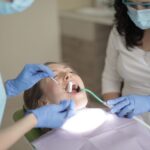
During a cleaning, a dental hygienist uses instruments called scalers and curettes to scrape plaque and tartar from above and below the gumline. This process is called scaling. If you have significant buildup, the hygienist may use an ultrasonic scaler that vibrates and sprays water to break up deposits.
After scaling, the hygienist polishes your teeth with a gritty paste. This removes surface stains and smooths the enamel, making it harder for plaque to stick. Some offices also offer air polishing, which uses a jet of water, air, and fine powder to remove stains and biofilm.
For people with advanced gum disease, a deeper cleaning called scaling and root planing may be necessary. This involves cleaning below the gumline and smoothing the tooth roots so the gums can reattach. This procedure is typically done under local anesthesia.
Common Misconceptions About Plaque Removal
Many products and practices claim to remove plaque but do not deliver what they promise. Knowing what does not work can save you time and money.
Charcoal toothpaste is popular on social media. It is abrasive and can remove surface stains, but it does not kill bacteria or remove plaque effectively. Over time, the abrasiveness can wear down enamel.
Baking soda is another home remedy. It has mild abrasive properties and can help scrub away surface debris. Some studies suggest it may reduce plaque slightly, but it is not a replacement for fluoride toothpaste. Use it occasionally, not daily.
Apple cider vinegar is sometimes recommended for whitening and plaque removal. This is dangerous. The acid in vinegar can erode tooth enamel quickly, leading to sensitivity and increased cavity risk. Do not put vinegar on your teeth.
Dental picks and toothpicks can remove food stuck between teeth, but they do not remove plaque from tooth surfaces. They can also injure your gums if used too aggressively.
Frequently Asked Questions
How long does it take for plaque to turn into tartar?
Plaque can begin to mineralize into tartar within 24 to 48 hours if not removed. Complete hardening usually takes several days.
Can baking soda remove plaque from teeth?
Baking soda has mild abrasive properties that can help scrub away surface debris, but it does not remove established plaque or tartar. It is not a substitute for brushing with fluoride toothpaste.
Is it possible to remove tartar at home without a dentist?
No. Once plaque hardens into tartar, it cannot be removed with brushing, flossing, or any home remedy. Only a dental professional can safely scrape it off.
Does electric toothbrush remove more plaque than manual?
Studies have found that electric toothbrushes with oscillating or sonic technology remove more plaque and reduce gingivitis more effectively than manual brushing.
