
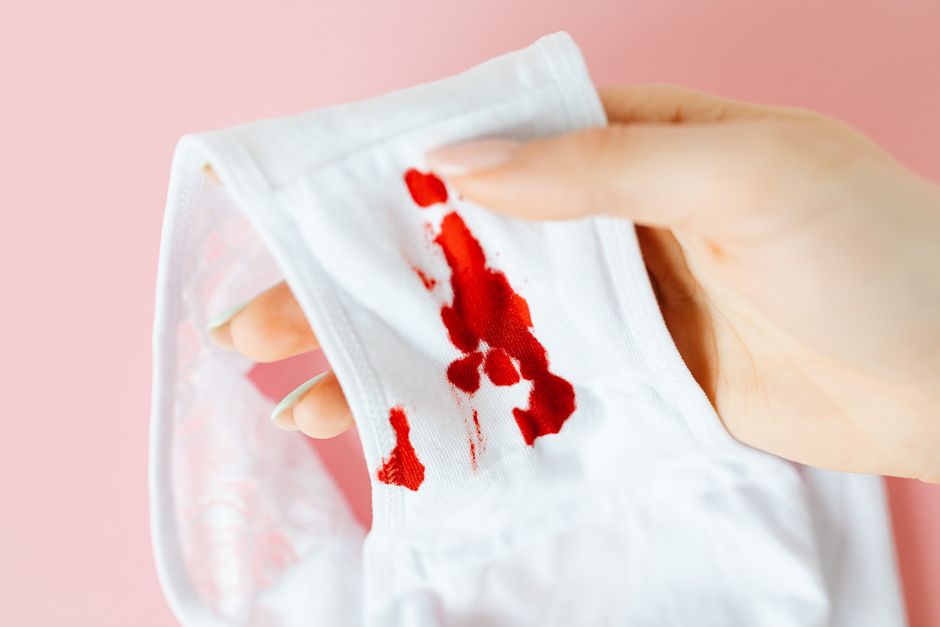
Blood stains on fabric can feel like a disaster, but they are usually fixable. The key is to act quickly while the stain is still fresh. Cold water, not hot, is your best friend for removing blood. Hot water sets the protein in blood, making the stain permanent.
Why Cold Water Works Best for Blood Stains
Blood contains a protein called hemoglobin. This protein carries oxygen and gives blood its red color. When hemoglobin is exposed to heat, it denatures and binds tightly to fabric fibers. This is why hot water makes blood stains worse.
Cold water keeps the protein stable and soluble. It helps the blood release from the fibers instead of baking in. For the same reason, you should never put a blood-stained garment in the dryer until you are certain the stain is completely gone.
Enzymatic cleaners also work well because they break down protein-based stains. Laundry detergents with enzymes are specifically formulated for this job. Look for products that list protease or amylase on the ingredient label.
How To Remove Blood From Fabric: Step-by-Step
Start by rinsing the stain under cold running water. Hold the fabric with the stain facing down so the water pressure pushes the blood out rather than deeper into the fibers. This simple step removes a surprising amount of fresh blood.
After rinsing, apply a small amount of liquid laundry detergent directly to the stain. Gently rub the fabric together or use a soft-bristled brush. Let the detergent sit for 5 to 10 minutes. Then rinse again with cold water.
For stubborn stains, soak the fabric in cold water for 30 minutes. Add a tablespoon of enzyme detergent to the water. After soaking, launder as you normally would, but check the stain before drying.
If the stain remains after washing, repeat the process. Never dry the fabric until the stain is gone. Heat from the dryer will permanently set any remaining blood into the fibers.
Removing Dried Blood Stains
Dried blood stains require more effort but are still removable in most cases. The approach changes because the protein has already bonded to the fabric. You need to rehydrate the stain before you can lift it.
Soak the fabric in cold water for at least one hour. Add a small amount of enzyme detergent or a few drops of dish soap. The longer you soak, the better your chances of breaking down the dried protein.
After soaking, gently scrape away any loose residue with a dull knife or spoon. Do not scrub hard, as this can damage the fabric and push the stain deeper. Then apply detergent and launder as usual.
Some people recommend hydrogen peroxide for dried blood. Hydrogen peroxide can break down the color compounds in blood. However, it can also bleach or discolor certain fabrics. Test it on an inconspicuous area first. Never use it on wool, silk, or other delicate fabrics.





Best Products for Blood Stain Removal
Enzyme-based laundry detergents are the most reliable choice. They are widely available and safe for most fabrics. Products labeled as “biological” or “enzyme” detergents contain the protein-breaking enzymes you need.
Hydrogen peroxide is a common household option. A 3% solution is available at most drugstores. It works by oxidizing the blood compounds, making them colorless. But it is not safe for all fabrics, so always test first.
Meat tenderizer is an old home remedy that has some scientific basis. Meat tenderizers contain papain, an enzyme from papaya that breaks down proteins. Mix it with cold water into a paste and apply to the stain. Let it sit for 20 minutes before rinsing.
Aspirin dissolved in water is another folk remedy. Some people report it works, but there is no strong scientific evidence to confirm its effectiveness. If you try it, crush two aspirin tablets and mix with cold water to form a paste.
Commercial stain removers designed for protein stains are also effective. Look for products specifically labeled for blood or protein-based stains. These are formulated with the right enzymes and surfactants for this task.
What Not To Do When Removing Blood
Do not use hot water at any stage of the process. Heat sets the protein in blood permanently. This is the single most important rule for blood stain removal.
Do not rub the stain vigorously. Rubbing can damage fabric fibers and spread the stain to a larger area. Instead, blot or gently press the stain to absorb the blood.
Do not put the garment in the dryer until the stain is completely gone. The heat of the dryer will set any remaining stain. Air drying is safer until you are confident the stain is removed.
Do not use bleach on blood stains. Chlorine bleach can react with the iron in blood and make the stain worse. It can also damage colored fabrics. Oxygen-based bleaches are safer but still not the first choice for protein stains.
Do not wait too long to treat the stain. Fresh blood is much easier to remove than dried blood. If you cannot treat the stain immediately, at least rinse it with cold water to keep it from setting.
Removing Blood From Different Fabric Types
Cotton and linen are the easiest fabrics for blood stain removal. They are durable and can handle vigorous treatment. Soaking and enzyme detergents work well on these natural fibers.
Synthetic fabrics like polyester and nylon are also relatively easy to clean. They are less absorbent than natural fibers, so blood tends to stay on the surface. Standard cold water treatment usually works well.
Delicate fabrics like silk and wool require special care. These fabrics can be damaged by harsh chemicals and vigorous scrubbing. Use cold water and a gentle enzyme cleaner. Test any product on a hidden area first. For valuable silk garments, consider professional cleaning.
Upholstery and carpets present a different challenge because you cannot soak them. Use a cold water and detergent solution, applying it with a clean cloth. Blot, do not rub. Rinse by blotting with a cloth dampened with plain cold water.
For mattresses, the same blotting technique applies. Use a minimal amount of liquid to avoid soaking the mattress padding. Enzyme cleaners designed for upholstery are a good choice. Allow the area to dry completely before using the mattress again.
Blood Stain Removal on Different Fabric Types
| Fabric Type | Best Approach | Caution |
|---|---|---|
| Cotton, linen | Cold water soak, enzyme detergent | Can handle vigorous treatment |
| Polyester, nylon | Cold water rinse, standard detergent | Less absorbent, easier to clean |
| Silk, wool | Cold water, gentle enzyme cleaner | Avoid harsh chemicals, test first |
| Upholstery, carpet | Blot with cold water and detergent | Do not soak, avoid over-wetting |
| Mattress | Blot with minimal liquid, enzyme cleaner | Allow thorough drying |
Frequently Asked Questions
Does hot water really set blood stains?
Yes. Heat causes the proteins in blood to denature and bind permanently to fabric fibers. Always use cold water for blood stains.
Can I use hydrogen peroxide on any fabric?
No. Hydrogen peroxide can bleach or discolor some fabrics, especially wool and silk. Test it on a hidden area before applying to the stain.
How long can I wait before treating a blood stain?
Fresh stains are much easier to remove, but dried stains can still be treated. Soak dried stains in cold water with enzyme detergent for at least an hour.
Is it safe to put blood-stained clothes in the dryer?
No. The heat from the dryer will permanently set any remaining stain. Air dry until you are certain the stain is completely gone.
