
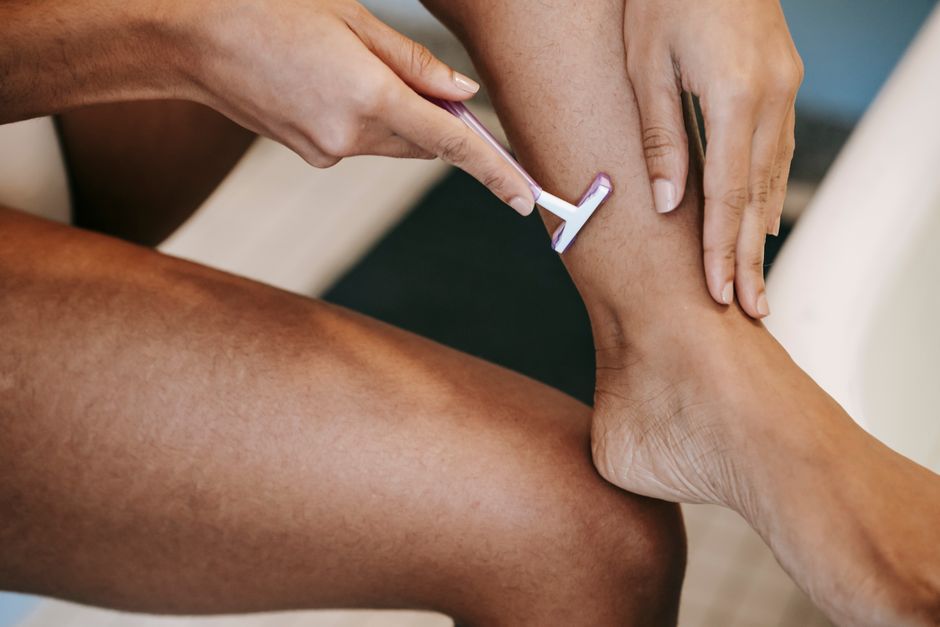
An ingrown hair cyst happens when a hair curls back into the skin or grows sideways, and the body responds with inflammation that can fill with pus and form a tender lump. Most small ones can be managed at home with warm compresses, gentle hygiene, and time. Larger, painful, or infected cysts may need a doctor to drain or treat them, and you should never cut into one yourself.
What Is an Ingrown Hair Cyst?
An ingrown hair cyst is a pocket under the skin that forms around a hair that has grown back into the follicle or sideways through the skin. The medical term for a cyst tied to a hair follicle is a pilar cyst or, more generally, a follicular cyst. When it becomes inflamed and infected, it is often called a pseudofolliculitis or an abscess.
The difference between a cyst and a pimple matters. A pimple is a surface-level blockage of oil and dead skin. A cyst has a defined wall and sits deeper. That wall is why squeezing rarely solves the problem and often makes it worse.
These bumps are most common in areas where hair is coarse and curly — the beard area, pubic region, armpits, legs, and scalp. They are not contagious and are not a sign of poor hygiene.
What Causes an Ingrown Hair Cyst to Form?
The root cause is a hair that cannot exit the skin normally. This happens in two main ways. In one, the sharp tip of a shaved or plucked hair curves back and re-enters the skin nearby. In the other, dead skin blocks the follicle opening, and the hair grows sideways under the surface.
Several things raise the odds:
- Curly or coarse hair, which bends more easily
- Shaving, waxing, or plucking, especially against the direction of growth
- Tight clothing that rubs and traps hair against skin
- Friction from exercise, sitting, or waistbands
- Hormonal shifts that increase hair growth
- A family tendency toward follicular cysts
Once the hair is trapped, the body treats it as a foreign object. Immune cells move in, blood flow increases, and the area swells. If bacteria enter — often Staphylococcus aureus — the cyst can fill with pus and become an abscess. This is the point where home care alone may not be enough.
How To Remove an Ingrown Hair Cyst: Home Medical Options
For a small, non-infected cyst, home care focuses on reducing inflammation and letting the hair work its way out. The goal is not to force removal. It is to calm the tissue and prevent infection while the body does the rest.
Warm compresses are the first step. Apply a clean, warm — not hot — cloth to the area for 10 to 15 minutes, three to four times a day. Heat increases blood flow, which can help the cyst come to a head or shrink. This is one of the few home measures with a clear physiological basis.
Gentle cleansing with a mild, fragrance-free cleanser keeps bacteria from building up. Do not scrub. Scrubbing irritates the follicle and can push bacteria deeper.
Do not squeeze, pop, or cut. This is the most important rule. Squeezing can push the cyst wall deeper, spread infection into surrounding tissue, and cause scarring. Cutting at home risks a serious skin infection and, in rare cases, a deeper soft-tissue infection that needs urgent care.
Over-the-counter options. A topical antibiotic ointment may help if the skin is broken, but it will not dissolve a cyst. Hydrocortisone cream can reduce surface inflammation. Neither treats the underlying trapped hair.
Exfoliation. Once the area has calmed, gentle chemical exfoliation with salicylic acid or glycolic acid may help prevent new blockages. Physical scrubs are more likely to irritate.
If the cyst is large, spreading, hot, or very painful, home care is not appropriate. See a doctor.





When Should You See a Doctor Instead?
Some cysts resolve on their own over days to weeks. Others need medical treatment. Seek care if any of these apply:
- The cyst is larger than a pea and getting bigger
- It is red, hot, and spreading
- You have a fever or feel unwell
- Pus or blood is draining
- Pain is severe or worsening
- It keeps coming back in the same spot
- You have diabetes or a weakened immune system
A doctor can drain the cyst under sterile conditions, which relieves pressure and removes the trapped material. They may prescribe oral antibiotics if there is a spreading infection. For cysts that keep returning, a minor procedure can remove the cyst wall so it does not refill. This is the only reliable way to stop a true cyst from coming back.
What Not to Do at Home
Several popular home remedies do more harm than good. Knowing what to avoid is as useful as knowing what to try.
- Do not use a needle or tweezers to dig out the hair. This introduces bacteria and can turn a minor cyst into an infection.
- Do not apply harsh essential oils undiluted. Tea tree and similar oils can irritate skin and cause a chemical burn.
- Do not use toothpaste. It is not a treatment for cysts and can damage skin.
- Do not keep squeezing after it “almost” comes out. That is the moment most scarring happens.
If a home remedy promises to “draw out” a cyst overnight, treat that claim with caution. No strong evidence supports most of these methods.
How to Prevent Ingrown Hair Cysts
Prevention targets the two things that cause them: hair direction and follicle blockage.
If you shave, shave in the direction of hair growth. Use a sharp blade and warm water. Rinse the blade often. Consider letting hair grow longer or switching to trimming, which does not cut hair below the skin surface the way a close shave does.
Exfoliate gently once or twice a week to clear dead skin from follicle openings. Moisturize regularly. Wear loose clothing in areas prone to friction.
For people with recurring cysts, some clinicians recommend laser hair removal. It reduces hair growth at the source, which can lower the chance of new cysts. The evidence for this is reasonable but not universal, and results vary by person and hair type.
How Long Does an Ingrown Hair Cyst Take to Heal?
A small cyst that is not infected often calms down within a few days to a week with warm compresses and gentle care. An infected cyst or one that needs draining can take longer and may leave a mark that fades over weeks to months.
Timelines vary widely by size, location, and whether infection is present. If a cyst is not improving after about a week of home care, or is getting worse at any point, that is a signal to get it checked.
Frequently Asked Questions
Can I pop an ingrown hair cyst myself?
No. Popping or cutting a cyst at home can push infection deeper, cause scarring, and in rare cases lead to a serious skin infection. Let a doctor drain it if it needs draining.
How do I get rid of an ingrown hair cyst fast?
Warm compresses several times a day, gentle cleansing, and leaving it alone are the fastest safe home options. There is no reliable way to make a cyst disappear overnight.
What does an infected ingrown hair cyst look like?
It looks red, swollen, and warm, and may have pus or feel very tender. Fever or spreading redness means you should see a doctor promptly.
When should I see a doctor for an ingrown hair cyst?
See a doctor if it is large, spreading, very painful, draining pus, or comes with a fever. Recurring cysts in the same spot may need a minor procedure to remove the cyst wall.
