
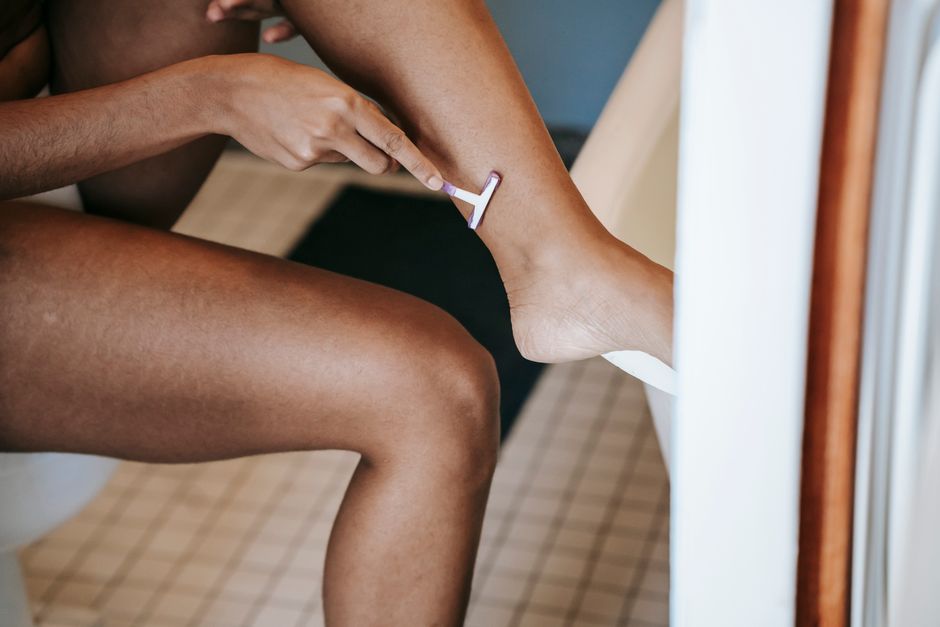
Removing hair from the scrotum is safe when you use the right method and take basic precautions. The safest options are trimming with a dedicated body trimmer, shaving with a fresh razor and shaving cream, or using a depilatory cream specifically labeled for genital use. Waxing and epilating are possible but carry higher risk of injury and irritation on thin scrotal skin. Laser hair removal is the only method that reduces hair growth long term, and it should be done by a trained professional.
Why Is Scrotal Skin More Delicate Than Other Skin?
The skin of the scrotum is among the thinnest on the body. It also has a high density of blood vessels and nerve endings, which is why small nicks tend to bleed more and hurt more than similar cuts elsewhere.
The scrotum’s job is temperature regulation. It holds the testicles outside the body cavity to keep them a few degrees cooler than core body temperature, which is necessary for sperm production. To do this, the skin stretches and contracts constantly. That constant movement makes it a difficult surface for shaving and waxing.
There is also very little subcutaneous fat. Most of the body has a cushion of fat beneath the skin that protects deeper structures from a razor or wax strip. The scrotum does not. That means a slip of the blade gets closer to sensitive tissue than it would on your thigh or forearm.
Understanding this anatomy explains almost every safety rule that follows. It is not that the area is fragile in a medical sense. It is that the margin for error is smaller.
What Is the Safest Way To Remove Hair From Testicles?
Trimming with an electric body groomer is the safest method overall. The guard on the blade prevents it from contacting skin directly, so the risk of cuts is very low.
Shaving with a manual razor is also safe for most people when done carefully, but it carries a higher risk of nicks and razor burn. If you choose to shave, use a fresh blade, apply shaving cream or gel, and pull the skin taut before each stroke.
Here is how the main methods compare on the factors that matter most.
| Method | Cut Risk | Irritation Risk | Lasts | Notes |
|---|---|---|---|---|
| Electric trimmer | Low | Low | Days to weeks | Safest overall; guard prevents skin contact |
| Manual razor | Moderate | Moderate | 1-3 days | Use fresh blade and shaving cream |
| Depilatory cream | Low | Moderate to high | Several days | Must be labeled for genital use; patch test first |
| Waxing | Moderate | High | 2-4 weeks | Painful; risk of skin tearing |
| Laser | Low (professional) | Moderate | Long-term reduction | Requires multiple sessions; not permanent removal |
No method is risk-free. Even trimming can cause irritation if you press too hard or use a dull blade.
How Do You Shave the Scrotum Without Cutting Yourself?
Preparation matters more than technique. Softening the skin and hair first makes the blade glide instead of catch.
- Trim long hair first with a trimmer. A razor cannot handle dense, long hair without clogging and pulling.
- Shower or soak in warm water for a few minutes before shaving. Warm water softens hair and skin.
- Apply a thick layer of shaving cream or gel. Do not shave dry.
- Pull the skin taut with one hand while you shave with the other. Loose skin folds into the blade.
- Use short, light strokes. Do not press down.
- Rinse the blade after every stroke or two. A clogged razor drags and nicks.
- Rinse with cool water when finished, then pat dry. Do not rub.
Shave with the grain the first time. Going against the grain gives a closer shave but increases the chance of ingrown hairs and razor burn, especially in this area.
Replace the blade after a few shaves. A dull blade is the most common cause of shaving cuts.




Are Depilatory Creams Safe for the Scrotum?
Depilatory creams dissolve hair at the skin surface using chemicals like calcium thioglycolate or potassium thioglycolate. They are safe for the scrotum only if the product is specifically labeled for use on genital or sensitive areas.
Regular depilatory creams made for legs or underarms are not formulated for thin, sensitive skin. Applying them to the scrotum can cause chemical burns. This is a real risk, not a theoretical one.
Even with a genital-safe product, do a patch test first. Apply a small amount to a small area, wait the full time recommended on the label, and rinse. If you feel burning at any point, rinse immediately. Do not leave it on longer than directed hoping for a closer result.
Never use a depilatory cream on broken skin, cuts, or irritated areas.
Does Waxing or Epilating Cause Problems?
Waxing and epilating remove hair from the root, so results last longer than shaving. But the scrotum is one of the worst places on the body for these methods.
The skin is loose and thin. When wax is pulled, the skin can stretch and tear. The area also has a high concentration of nerve endings, so the pain is significant. Some people tolerate it. Many do not.
If you wax at home, use hard wax rather than soft wax strips. Hard wax grips hair rather than skin and is gentler on delicate areas. Apply in small sections and pull the skin taut in the opposite direction of the pull.
The risk of folliculitis, which is inflammation of the hair follicles, is higher after waxing than after shaving. Ingrown hairs are also more common. If you develop red bumps, pus, or increasing pain after waxing, see a doctor. An infection in this area can spread.
Can You Use Laser Hair Removal on the Scrotum?
Laser hair removal is the only method that reduces hair growth over the long term. It works by targeting pigment in the hair follicle with concentrated light, which damages the follicle and slows future growth.
It is not permanent. Most people need multiple sessions, and hair often regrows thinner and lighter over time. Results vary based on hair color, skin color, and hormone levels.
Laser treatment on the scrotum should be done by a trained professional with experience in genital areas. At-home laser devices are not designed for this skin and can cause burns.
Laser works best on people with dark hair and light skin because the contrast allows the laser to target the hair without damaging surrounding skin. It is less effective on light or gray hair. People with darker skin tones need a provider experienced with their skin type to avoid burns and pigmentation changes.
Expect some discomfort during treatment. The scrotum is sensitive, and each pulse of the laser feels like a quick snap. Most providers use cooling devices or numbing cream to reduce pain.
What Should You Do If Something Goes Wrong?
Minor irritation, redness, and small nicks are common and usually clear up in a few days. Keep the area clean and avoid shaving over irritated skin until it heals.
See a doctor if you notice any of the following:
- Increasing pain, swelling, or redness
- Pus or a foul smell
- Fever
- A cut that will not stop bleeding
- A lump or bump that does not go away
- Signs of a chemical burn, such as blistering or peeling skin
These signs can indicate an infection or a more serious issue. Do not wait to see if it clears up on its own.
If you have a history of skin infections, diabetes, or a weakened immune system, talk to your doctor before hair removal in this area. The risk of infection is higher for you.
Does Hair Removal Increase the Risk of STIs?
Some research suggests that removing pubic hair, including scrotal hair, may increase the risk of certain skin infections and sexually transmitted infections. The theory is that small tears and micro-abrasions in the skin create entry points for bacteria and viruses.
The evidence is mixed. Some studies have found an association between frequent pubic hair removal and higher rates of molluscum contagiosum and herpes simplex virus. Others have not found a clear link. Association does not prove cause. People who remove hair may also engage in other behaviors that increase risk.
What is clear is that shaving and waxing can cause small breaks in the skin. Those breaks can become infected. If you choose to remove hair, keep the area clean and avoid sharing razors or towels.
Frequently Asked Questions
Is it safe to shave your testicles with a regular razor?
Yes, if you use a fresh blade, shaving cream, and short light strokes. The risk of cuts is higher than with a trimmer, so take your time and do not press down.
Can I use Nair or Veet on my scrotum?
Only if the product is specifically labeled for genital or sensitive skin. Regular depilatory creams can cause chemical burns on scrotal skin. Do a patch test first.
How long does hair removal on the scrotum last?
Shaving lasts one to three days. Waxing lasts two to four weeks. Laser hair removal reduces growth over the long term but does not remove hair permanently.
What is the safest way to remove hair from testicles?
Trimming with an electric body groomer is the safest method because the guard prevents the blade from touching skin. Shaving is also safe for most people when done carefully.
