

An ingrown pubic hair happens when a hair curls back into the skin or grows sideways instead of out. The fix is usually simple: stop removing hair in that area for a while, apply warm compresses to help the hair surface, and keep the skin clean. Most ingrown hairs clear on their own within a few weeks. If one becomes infected, painful, or keeps coming back, that is when a doctor should look at it.
What Actually Causes an Ingrown Pubic Hair?
Hair grows from a follicle, a small pocket under the skin. Normally the hair pushes up and out through the surface. An ingrown hair happens when that path gets blocked or the hair changes direction.
Two things cause most ingrown hairs in the pubic area. The first is cutting hair below the surface. Shaving, waxing, and plucking can leave a sharp, pointed hair tip that grows back into the skin instead of out. The second is hair texture. Curly hair is more likely to loop back and re-enter the skin as it grows. This is why ingrown hairs are more common in people with tightly curled hair.
Friction makes it worse. Tight clothing, especially synthetic fabrics, rubs against the skin and can push hair tips into the follicle opening. Sweat and bacteria in a warm, moist area add to the problem.
There is a related condition worth knowing about. When the hair follicle becomes inflamed and the hair is still trapped, doctors call it folliculitis. When the inflammation becomes chronic and the skin thickens into a bump, it is sometimes called pseudofolliculitis. These are not the same as a simple ingrown hair, but they start the same way. The distinction matters because chronic cases need different care than a single trapped hair.
How To Heal Ingrown Pubic Hair: Steps That Work
The single most effective step is to stop removing the hair in that area. This gives the trapped hair a chance to grow out on its own. It sounds too simple, but it is the step most people skip because they want the bump gone immediately.
Here is a practical sequence:
- Stop shaving, waxing, and plucking the affected area for at least a few weeks. Continued removal keeps re-injuring the follicle.
- Apply a warm compress for a few minutes, several times a day. Warmth increases blood flow and can help the hair work its way to the surface.
- Wash gently with a mild cleanser and warm water. Do not scrub. Scrubbing irritates skin that is already inflamed.
- Use a soft washcloth or a clean exfoliating mitt in a gentle circular motion once the skin is no longer tender. This can help lift a hair that is close to the surface.
- Moisturize with a fragrance-free lotion to keep the skin from getting dry and tight.
- Wear loose cotton underwear to reduce friction and let the area breathe.
Do not dig at the bump with fingernails, tweezers, or a needle. This is the most common way a minor ingrown hair turns into an infection. Picking pushes bacteria deeper and can leave a scar.
If the hair is clearly visible just under a thin layer of skin, some clinicians suggest gently freeing it with a sterile needle. This is a technique that should be done carefully, and it is not something to attempt if the skin is red, swollen, or painful. In that case, leave it alone and see a doctor.
When Does an Ingrown Hair Need Medical Treatment?
Most ingrown hairs are harmless and resolve without treatment. A small red bump may fade in a few days to a few weeks. Some leave a dark mark that fades more slowly.
See a doctor if any of these apply:
- The bump gets larger or more painful over several days
- You see pus, or the area feels hot to the touch
- Redness spreads beyond the original bump
- You develop a fever
- The bumps keep returning in the same spot
- A firm, raised lump forms that does not go away
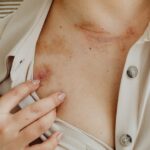
These signs can point to a bacterial infection that needs antibiotics. A doctor may also consider other causes. A cyst, an abscess, or a skin condition called hidradenitis suppurativa can look similar. Hidradenitis suppurativa is a chronic inflammatory condition that causes painful lumps in skin folds, including the groin. It is not caused by shaving, and it needs ongoing medical care rather than home treatment. Because several conditions can produce a similar bump, a doctor’s exam matters when symptoms are severe or recurring.
Treatment a doctor might use includes topical or oral antibiotics for infection, or a minor procedure to drain a large abscess. For recurring ingrown hairs, some clinicians recommend laser hair removal, which reduces hair growth over time. This is a common clinical practice, though access and cost vary and results differ between people.

Does Prevention Actually Work?
Prevention works better than treatment for ingrown hairs, but no method removes the risk entirely.
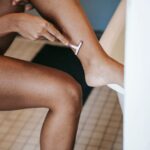
If you choose to remove pubic hair, how you do it matters:
- Shave in the direction of hair growth rather than against it. This leaves a less sharp tip.
- Use a sharp, clean razor and replace it often. A dull blade tugs and cuts unevenly.
- Soften the hair first with warm water before shaving.
- Use shaving cream or gel to reduce friction.
- Rinse the blade between strokes to keep it clear.
- Exfoliate gently a day or two after hair removal, not immediately.
- Moisturize regularly to keep skin smooth.
Waxing and plucking pull hair from the root, which can actually reduce ingrown hairs for some people because the hair grows back with a softer tip. For others, the trauma of pulling irritates the follicle and makes things worse. The response varies.
Laser hair removal is the option with the most lasting effect on hair growth. It works by damaging the follicle with concentrated light. It requires multiple sessions and does not work equally well for all hair and skin colors. It is also a medical procedure, not a home remedy.
Trimming with scissors or an electric trimmer instead of shaving close to the skin is a lower-risk option. It leaves hair longer, which reduces the chance of a sharp tip re-entering the skin.
What Not To Do
Several popular home remedies do not hold up. Here is what to avoid.
Do not squeeze or pop the bump. This is the fastest way to cause an infection or a scar. An ingrown hair is not a pimple, and the trapped hair is not going to pop out cleanly.
Do not apply strong acids or harsh scrubs. Some people try to “burn off” the bump with high-concentration exfoliants. This damages the skin barrier and can make inflammation worse.
Do not shave over an active ingrown hair. This cuts the skin around the bump and can introduce bacteria.
Do not assume every bump is an ingrown hair. A sexually transmitted infection, a cyst, or another skin condition can look similar. If you are unsure, or if the bump appeared without any hair removal, get it checked.
There is one more point worth making. Many products marketed for ingrown hairs contain ingredients like salicylic acid or glycolic acid. These can help exfoliate the skin surface, and some people find them useful. But no strong evidence shows they resolve a deeply trapped hair. They are a supporting step, not a cure.
How Long Does Healing Take?
A mild ingrown hair often improves within a few days to a couple of weeks once you stop irritating the area. A bump that has become inflamed may take longer. Dark marks left behind can take several weeks to months to fade.
If a bump is not improving after a few weeks, or if it is getting worse, that is a signal to see a doctor. Patience matters here. The urge to pick at it is strong, and it is the main reason healing takes longer than it should.
Frequently Asked Questions
How do you get rid of an ingrown pubic hair fast?
Stop removing hair in the area and apply warm compresses several times a day to help the hair reach the surface. Most improve within a few days to a couple of weeks.
Should I pop an ingrown pubic hair?
No. Popping or squeezing can push bacteria deeper and cause an infection or scar. Let it heal or see a doctor if it is painful or swollen.
When should I see a doctor for an ingrown pubic hair?
See a doctor if the bump is very painful, has pus, feels hot, spreads, or keeps coming back. These signs can point to an infection or another condition that needs treatment.
Does shaving cause ingrown pubic hair?
Shaving can cause ingrown hairs because it leaves a sharp hair tip that may grow back into the skin. Shaving in the direction of hair growth and using a sharp razor can lower the risk.
