
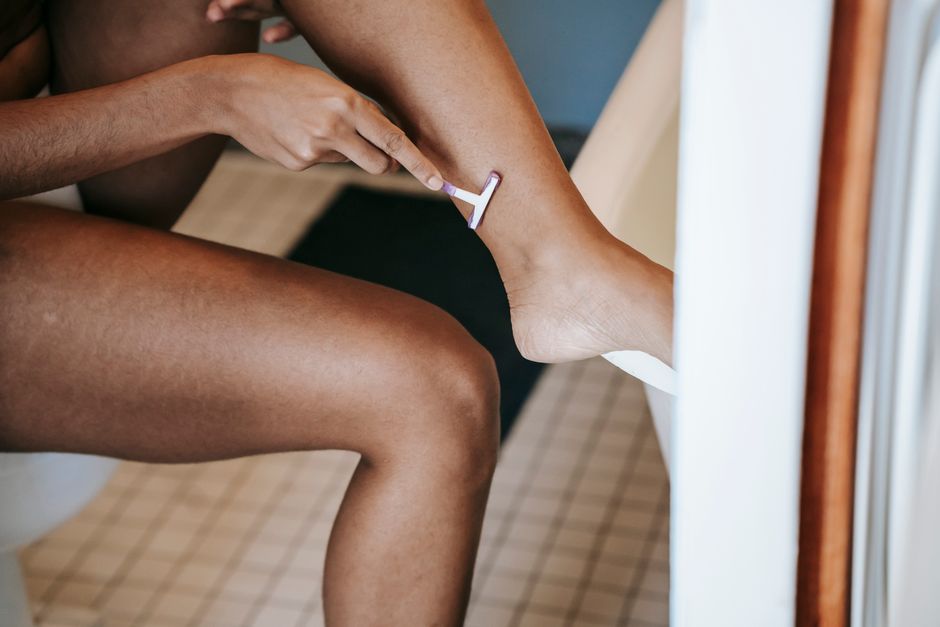
Removing body or facial hair at home comes down to a handful of methods: shaving, waxing, sugaring, depilatory creams, epilators, and threading. Each one works by a different mechanism, lasts a different length of time, and carries a different set of risks. None of them stops hair from growing back permanently, and none is risk-free. Shaving cuts hair at the skin surface. Waxing, sugaring, and threading pull hair out by the root. Depilatory creams dissolve the hair above the skin. What you choose depends on your skin type, the area you’re treating, how much discomfort you’ll tolerate, and how long you want the result to last.
How To Remove Hair At Home: Shaving, Waxing And More Compared
Shaving is the fastest and cheapest option, and it lasts the shortest amount of time — typically one to three days before stubble becomes visible. A razor blade cuts hair at or just below the skin surface. Because the hair shaft is cut rather than removed from the follicle, it grows back at the same rate and thickness as before. Shaving does not make hair grow back thicker or darker. That is one of the most persistent myths in personal care. The blunt cut end can feel coarser as it emerges, but the actual hair diameter and color are unchanged.
Waxing and sugaring remove hair from the root. Results typically last two to four weeks, though this varies by person and body area. Threading works the same way — hair is pulled out by the root — and is most often used on the eyebrows and upper lip. Epilators are mechanical devices that trap and pull multiple hairs at once, similar in principle to waxing but without the wax.
Depilatory creams use chemicals, most commonly thioglycolates, to break down the protein structure of hair so it can be wiped away. They work quickly and are painless, but the results last about as long as shaving — a few days. They can irritate skin, especially on the face or in sensitive areas.
Here is a direct comparison of the main methods:
| Method | How it works | Typical duration | Main risks |
|---|---|---|---|
| Shaving | Cuts hair at skin surface | 1–3 days | Nicks, razor burn, ingrown hairs |
| Waxing | Pulls hair from root | 2–4 weeks | Pain, skin irritation, ingrown hairs, burns if wax too hot |
| Sugaring | Pulls hair from root using sugar paste | 2–4 weeks | Similar to waxing; less heat-related risk |
| Threading | Pulls hair from root with twisted thread | 2–4 weeks | Pain, skin redness, ingrown hairs |
| Depilatory cream | Dissolves hair above skin | 2–5 days | Chemical irritation, allergic reaction, odor |
| Epilator | Mechanical pulling from root | 2–4 weeks | Pain, irritation, ingrown hairs |
Does Shaving Make Hair Grow Back Thicker?
No. Shaving does not change the thickness, color, or growth rate of your hair. This has been studied and the answer is consistent. The confusion comes from how a cut hair feels as it grows out. A natural hair tapers to a fine point. A shaved hair has a blunt, flat end. That blunt end can feel rougher against the skin, which creates the impression of coarser regrowth. But the follicle itself — the structure under the skin that produces the hair — is completely unaffected by cutting the hair above it.
Hair growth rate, thickness, and color are determined by genetics, hormones, and age. Shaving cannot change any of these. If you notice darker or thicker hair in an area over time, that is usually a hormonal shift, not a result of shaving. This matters especially for people who notice increased facial hair — that change is worth discussing with a doctor, because it can be a sign of a hormonal condition.
What Is The Safest Way To Shave At Home?
The safest shave starts with preparation. Soak the skin in warm water for a few minutes to soften the hair. Apply shaving cream, gel, or another lubricant. Use a clean, sharp razor. Shave in the direction the hair grows, especially in sensitive areas like the bikini line or underarms. Rinse the blade after each stroke.
Razor burn and ingrown hairs are the two most common problems. Razor burn is irritation from friction or from shaving without enough lubrication. Ingrown hairs happen when a cut hair curls back into the skin instead of growing outward. They are more common with close shaves and in people with curly hair. To reduce ingrown hairs, shave with the grain, avoid stretching the skin taut, and don’t shave the same spot repeatedly.
Change your blade regularly. A dull blade drags and cuts unevenly, which increases irritation. There is no single correct number of shaves per blade — it depends on blade quality, hair coarseness, and how much area you’re shaving. If the blade pulls or feels rough, replace it.
Never share razors. Sharing can spread skin infections, including fungal infections and, in rare cases, bloodborne pathogens if there is bleeding.





Is Waxing Or Sugaring Better Than Shaving?
Waxing and sugaring last longer than shaving, but they are not automatically better. They involve more pain and a higher risk of skin irritation. Whether they’re worth it depends on your priorities.
Waxing pulls hair from the root, so regrowth takes two to four weeks. Over time, some people notice that hair grows back finer or sparser with regular waxing. The evidence for this is limited and mostly anecdotal — it is not firmly established that waxing permanently reduces hair density.
Sugaring uses a paste made from sugar, lemon juice, and water. It is applied and removed similarly to wax but is water-soluble and applied at room temperature, so there is no risk of burns from hot wax. Some people find it less irritating than wax. The results and risks are otherwise similar.
Both methods can cause ingrown hairs, redness, and in some cases skin tearing if the hair is pulled too aggressively. People using prescription retinoids, such as tretinoin, or taking isotretinoin should be cautious — these medications thin the skin and can make waxing cause skin damage. Some clinicians advise avoiding waxing on treated areas while using these medications. If you’re on either, ask your doctor before waxing.
Are Depilatory Creams Safe?
Depilatory creams are safe for most people when used as directed on the label. They contain chemicals that break down keratin, the protein in hair. The same chemicals can irritate skin, so they should not be left on longer than the instructions say. Always test on a small patch of skin before using on a larger area.
Do not use depilatory creams on broken, inflamed, or sunburned skin. Do not use them near the eyes or on the eyebrows — the chemicals can cause serious eye injury. Some people develop allergic reactions after repeated use, even if the first few applications caused no problem. If you notice burning, stinging, or a rash, wash the area thoroughly and stop using the product.
Depilatory creams are not recommended for use on the face unless the product is specifically labeled for facial use. Even then, they can be more irritating on facial skin than on the body.
What About Threading And Epilators?
Threading is an ancient method still widely used for eyebrow shaping and facial hair removal. A cotton thread is twisted and rolled across the skin, trapping hairs and pulling them out. It is precise and does not require heat or chemicals. The main drawbacks are pain and temporary redness. It can also cause ingrown hairs, though this is less common on the face than in areas like the bikini line.
Epilators are handheld devices with rotating discs or tweezers that catch and pull multiple hairs at once. They provide results similar to waxing — two to four weeks — without the mess of wax. The trade-off is pain, especially on first use or in sensitive areas. Over time, many people find it becomes more tolerable. Epilators can cause ingrown hairs and skin irritation, particularly if used on damp or sensitive skin.
When Should You See A Doctor About Hair Removal?
Most home hair removal is safe for healthy adults. But some situations warrant a medical visit.
- Sudden or rapid hair growth on the face, chest, or abdomen, especially in women — this can be a sign of a hormonal condition such as polycystic ovary syndrome or an adrenal disorder.
- Severe or recurring ingrown hairs that become infected, painful, or leave scars.
- Signs of infection after hair removal — spreading redness, warmth, swelling, pus, or fever.
- Skin reactions that don’t clear up or that get worse with each session.
- Any bleeding that doesn’t stop with pressure.
If you have diabetes, poor circulation, a bleeding disorder, or a condition that affects wound healing, talk to your doctor before waxing or using any method that breaks the skin. The risk of infection is higher in these groups.
For people with excessive hair growth caused by a hormonal condition, home removal methods manage the symptom but do not address the underlying cause. A doctor can evaluate whether treatment for the hormonal issue is appropriate.
Frequently Asked Questions
How long does hair removal last?
Shaving and depilatory creams last one to five days. Waxing, sugaring, threading, and epilators typically last two to four weeks, depending on the person and body area.
Does shaving make hair grow back thicker?
No. Shaving cuts hair at the surface and does not change the follicle, so thickness, color, and growth rate stay the same. The blunt cut end can feel coarser as it grows out, but the hair itself is unchanged.
Is waxing safe for sensitive skin?
Waxing can irritate sensitive skin and cause redness, ingrown hairs, or skin tearing. If you use prescription retinoids or take isotretinoin, ask your doctor before waxing, because these medications can make skin more fragile.
Can I remove facial hair at home safely?
Yes, with the right method. Threading, tweezing, and facial razors are commonly used on the face. Depilatory creams should only be used on the face if the label specifically says they are for facial use, and never near the eyes.
