
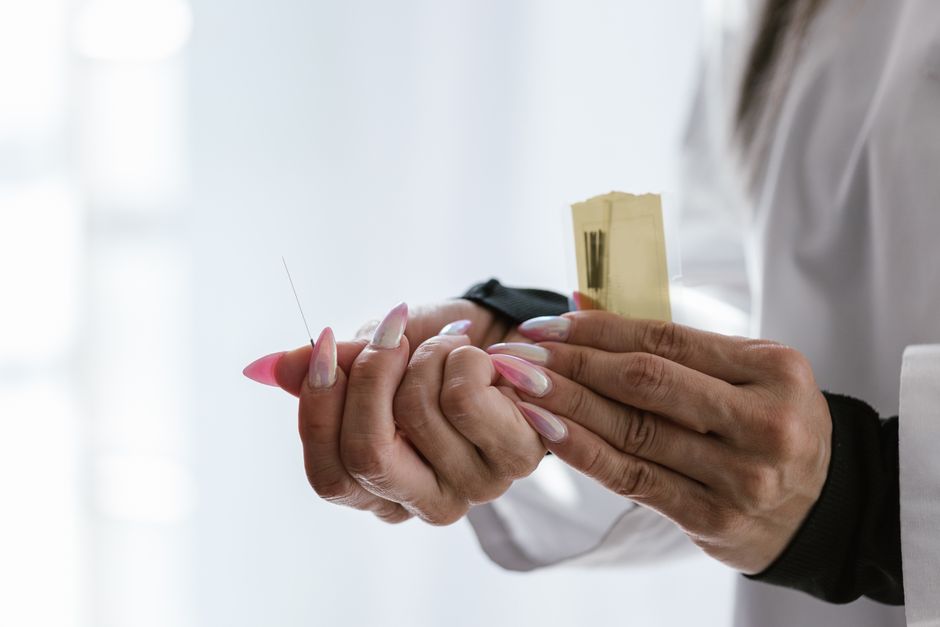
A splinter is a small foreign object stuck in the skin, and the calmest way to remove one from a toddler is to prepare the tools first, use a firm but gentle hold, and pull it out in the same direction it went in. Most splinters can be removed at home with tweezers and warm soapy water. The screaming usually comes from surprise and being held down, not from the splinter itself, so slowing the whole process down is what changes the experience.
Toddlers pick up splinters constantly. Wooden play structures, decks, fence rails, broom handles, and rough playground surfaces all shed tiny fragments into hands and feet. The good news is that most of these are shallow and easy to remove. The hard part is getting a squirmy two-year-old to hold still for thirty seconds.
How To Remove A Toddlers Splinter Without The Screaming?
The short answer: set up before you touch your child, keep the area still rather than forcing the whole body still, and pull with steady pressure instead of a quick yank. A slow, controlled pull hurts less than a sudden one because the skin stretches gradually around the splinter instead of tearing.
Here is a step-by-step approach that works for most superficial splinters.
- Wash your hands and the area. Warm water and mild soap. This reduces the chance of infection and softens the skin around the splinter.
- Soak for a few minutes if the splinter sits near the surface. Warm water can soften the top layer of skin and sometimes coax a shallow splinter closer to the surface.
- Use clean, fine-tipped tweezers. Sterilize the tips with rubbing alcohol and let them dry. Good lighting matters more than people expect — a bright lamp or a phone flashlight helps you see the end of the splinter.
- Grip the exposed end, not the skin. Grasp the splinter as close to the skin surface as you can and pull in the direction it entered. Pulling at an angle can break it.
- Keep the pull slow and steady. A gradual pull gives the skin time to stretch. A fast yank triggers a sharper pain response.
If the splinter is fully under the skin, do not dig for it with a needle unless you are confident about what you are doing. Poking around under the skin with an unsterile tool can push bacteria deeper and cause more damage than the splinter itself.
Why Does My Toddler Scream Before I Even Touch The Splinter?
Most of the distress is anticipatory. Toddlers remember the last time something hurt, and they read your body language closely. If you are tense, moving fast, or holding your breath, they pick up on it.
There is also a physical reason. Being restrained — a firm grip on the wrist, an arm pinned down — triggers a fight-or-flight response in young children. The screaming is often about the hold, not the splinter.
What helps:
- Show them the tool first. Let them touch the tweezers. Name what you are doing in plain words: “This will pinch for one second, then it’s done.”
- Keep your voice low and slow. Toddlers mirror tone more than words.
- Give them a job. “Hold this flashlight” or “squeeze my other hand” gives them something to do with the tension.
- Do not promise it won’t hurt. If it does hurt, even briefly, they learn that your words are not reliable. “This might pinch, and then it’s over” is more honest and builds trust for next time.
Two adults can help — one to hold the hand steady and one to remove the splinter — but only if the child is not being pinned. A gentle, still hold on the hand itself is different from restraining the whole body.
What If The Splinter Is Deep Or Fully Under The Skin?
Leave it to a clinician. A splinter that is completely buried, especially one that is deep, near a joint, near the eye, or under a fingernail, is not a home-removal job. Attempting it yourself risks pushing it deeper, breaking it into fragments, or introducing infection.
Signs that a splinter needs medical attention:
- It is completely under the skin and you cannot see the end.
- It is deep, or embedded near a joint, nail bed, or the eye.
- It is a large piece of wood, glass, metal, or a thorn.
- The area is already red, swollen, warm, or oozing pus.
- Your child has not had a tetanus booster, and the splinter came from soil, dirty wood, or a deep puncture.
Tetanus is worth a mention here because it is often overlooked. Tetanus bacteria live in soil and dust, and a deep or dirty wound is the kind that matters. If your child is up to date on their vaccines, a minor splinter is generally not a concern. If you are unsure of their vaccination status, or the wound is deep and dirty, call your pediatrician. Current guidance on tetanus boosters is best confirmed with your child’s doctor rather than guessed at.





Should You Soak A Splinter Before Removing It?
Soaking helps for shallow splinters and does little for deep ones. Ten to fifteen minutes in warm soapy water softens the outer layer of skin, which can make a surface splinter easier to grip or even bring it closer to the surface.
Some clinicians recommend a warm soak two or three times a day for a splinter that is stuck just under the surface, on the theory that the skin will eventually swell and push it out. This is common practice, but it is not strongly supported by clinical trials. It is reasonable to try for a day or so before deciding whether to see a doctor.
Do not soak an area that is already red, swollen, or painful beyond the splinter site itself. Those are signs of infection, and soaking will not fix them.
How Do You Prevent Splinters In The First Place?
You cannot prevent every splinter, but you can cut down the number. Most childhood splinters come from a handful of predictable sources.
- Check wooden play equipment and decks for rough or splintering spots, and sand or seal them when you find them.
- Wear closed shoes on wooden decks and around playgrounds with wood chips or rough surfaces.
- Inspect hands and feet after outdoor play, especially after time on wooden structures or handling garden tools.
- Keep gardening tools and broom handles smooth, since these are common culprits for hand splinters in young children who like to “help.”
Wearing gloves for yard work is reasonable for older kids but impractical for most toddlers, who will pull them off within minutes.
What Are The Signs A Splinter Has Become Infected?
Watch the area for a few days after removal. Minor redness and tenderness right after removal are normal. Spreading redness, swelling, warmth, increasing pain, or pus are not.
If any of those appear, contact your child’s doctor. Most splinter-related infections are minor and treatable, but they should not be ignored, especially in young children whose immune systems are still developing.
A small dark spot left behind after removal is usually just a tiny bit of debris or a small bruise, not necessarily a retained fragment. If the spot persists, grows, or becomes painful, have a clinician look at it. Trying to dig it out yourself is how small problems become bigger ones.
Does It Matter What Tool You Use?
Yes, more than most people realize. Fine-tipped tweezers designed for splinter removal work far better than blunt household tweezers, which tend to grab skin along with the splinter and cause more pain.
Needles and pins are sometimes used by adults on themselves to lift the skin over a splinter. For a toddler, this is rarely worth it. The risk of pushing the splinter deeper or introducing bacteria is real, and the pain of a needle poke is often worse than the splinter itself.
Some clinicians recommend a small amount of a topical anesthetic cream before removal, but these are not typically stocked in home medicine cabinets and are not necessary for most shallow splinters. If your child is highly distressed and the splinter is stubborn, ask your pediatrician about options rather than improvising.
Frequently Asked Questions
How do you get a splinter out of a toddler who won’t sit still?
Have one adult hold the hand or foot steady while another removes the splinter, and give the child a small job like holding a flashlight. Keeping the area still matters more than keeping the whole body still.
Can you leave a splinter in and let it work its way out?
Shallow splinters sometimes work their way out on their own over days, but deep or dirty splinters should be removed to lower the risk of infection. If it is fully under the skin and not coming out, see a doctor.
What if the splinter breaks while you are pulling it out?
Stop and do not dig for the fragment with a needle. Wash the area and watch it for signs of infection; if the fragment is visible and near the surface, a clinician can remove it safely.
When should a toddler’s splinter see a doctor?
See a doctor if the splinter is deep, fully under the skin, near the eye or a joint, or if the area becomes red, swollen, warm, or oozes pus. A dirty or deep wound also warrants a check on tetanus status.
