
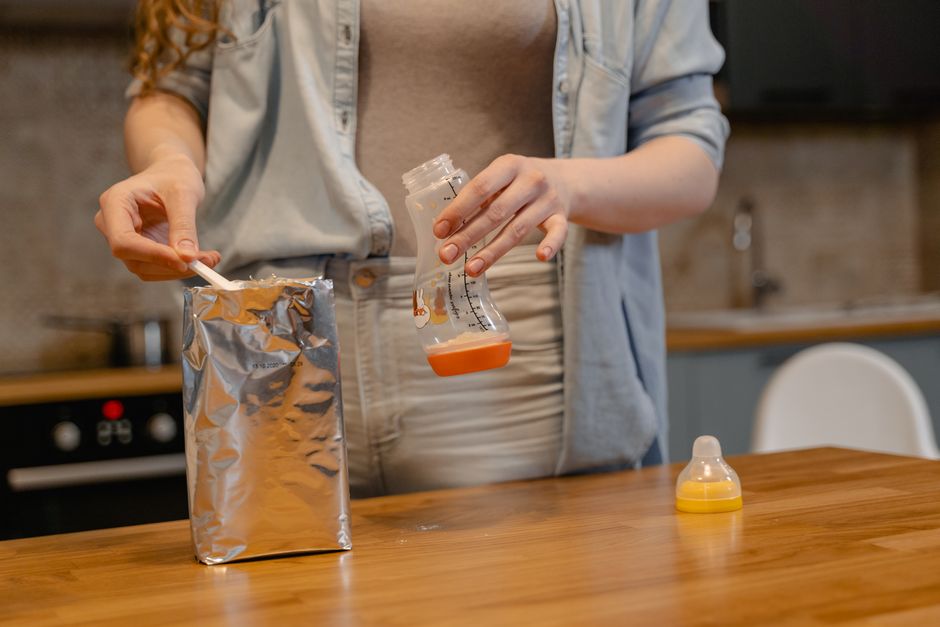
Mixing baby formula seems simple enough — add powder to water and shake. But if you have ever ended up with a bottle full of foam or lumpy formula stuck to the bottom, you know it is not that straightforward. The key to mixing baby formula without bubbles or clumps is to use water at the right temperature (around 158°F or 70°C), add powder to water not the reverse, and stir gently with a fork or bottle whisk instead of shaking vigorously. This method dissolves formula completely while minimizing air incorporation, giving your baby a smooth feed and reducing gas discomfort.
What Temperature Water Prevents Clumps Best?
Water temperature is the single most important factor for preventing clumps. Formula powder contains starches and proteins that need warmth to dissolve evenly. Cold water leaves undissolved clumps because the granules do not hydrate fully.
Research from the World Health Organization and the CDC recommends water heated to at least 158°F (70°C) for killing potential bacteria in powdered formula. This temperature also happens to be ideal for dissolving formula without clumps. Water that is too hot — above 212°F (boiling) — can destroy some nutrients and create more foam.
Let boiled water cool for about 30 minutes in a clean kettle or container. Pour it into the bottle first, then add the powder. This order matters because adding powder to already warm water lets each granule hydrate immediately rather than clumping together on the surface.
Does Shaking Cause All Those Bubbles?
Yes, shaking is the main cause of bubbles in prepared formula. When you shake a bottle vigorously, you trap air inside the liquid. Those bubbles form foam at the top and tiny air pockets throughout. Babies swallow this air while feeding, which can cause gas, spit-up, and fussiness.
A study published in the journal Pediatrics found that shaking formula produced significantly more air bubbles compared to stirring or swirling methods. The researchers measured bubble volume and found shaking created three to four times more air than gentle mixing.
If you must shake — for example when using a powder container that requires it — try a different approach. Swirl the bottle in a circular motion instead. Or use a clean fork or a bottle-specific whisk designed to mix without incorporating air. These tools break up clumps without creating foam.
What Is the Best Stirring Method for Smooth Formula?
The most reliable method for clump-free bubble-free formula is stirring with a long-handled spoon or fork. Here is how to do it correctly:
- Measure the exact amount of warm water into the bottle first.
- Add the correct number of scoops of formula powder.
- Insert a clean fork or bottle whisk and stir in a slow circular motion for about 20-30 seconds.
- Scrape the bottom and sides of the bottle to catch any undissolved powder.
This method works because stirring incorporates far less air than shaking. The slow motion allows the powder to dissolve into the water gradually rather than being forced into suspension with air. Some parents prefer using a bottle with a built-in mixing disc or ball — these create less foam than standard shaking but more than hand stirring.
One non-obvious tip: let the mixed bottle sit for one minute after stirring. This gives any tiny bubbles that did form time to rise to the top. Then you can tap the bottle gently or run the back of a clean spoon across the surface to pop them.





Does the Type of Formula Matter for Clumps and Bubbles?
Different formula brands and types behave differently when mixed. Some formulas are designed to dissolve more easily than others. The main factors are the type of protein base and the processing method.
| Formula Type | Clump Tendency | Bubble Tendency |
|---|---|---|
| Whey-dominant (standard cow’s milk) | Low to moderate | Moderate |
| Casein-dominant (some hypoallergenic) | Moderate to high | Low |
| Soy-based | Moderate | Moderate to high |
| Hydrolyzed (partially broken down proteins) | Low | Low |
| Organic or clean-label | Variable, often higher | Variable |
The table shows that hydrolyzed formulas tend to mix most smoothly because the proteins are already broken into smaller pieces. Hypoallergenic formulas with intact casein proteins can be stubborn — they often need warmer water and more stirring time. Organic formulas sometimes use less processing aids, which can make them clump more easily.
If you switch formulas and notice more clumps or bubbles, it is likely the formula itself and not your technique. Adjust water temperature slightly warmer or stir a bit longer before assuming you are doing something wrong.
How To Mix Baby Formula Without Bubbles Or Clumps When Using a Formula Dispenser
Formula dispensers are convenient for travel or nighttime feedings, but they introduce their own challenges. The powder sits in compartments and gets released into the bottle when you twist. This often leads to uneven mixing because the powder falls in a clump rather than dispersing evenly.
To use a dispenser without creating clumps, pre-warm the water in the bottle first. Then pour the powder from the dispenser slowly into the water rather than dumping it all at once. Tilt the bottle slightly as you add the powder so it lands on the side of the bottle and slides into the water gradually.
After adding the powder, do not shake. Use the stirring method described earlier. If you are in a car or away from a kitchen, consider pre-mixing formula at home and storing it in the refrigerator for up to 24 hours. This avoids the need for a dispenser altogether and gives you full control over mixing quality.
Some parents report that certain dispenser designs cause more clumping than others. The ones with a single large opening release powder too quickly. Look for dispensers with multiple small openings or a slow-release mechanism if you use them regularly.
What Common Mistakes Create the Most Bubbles and Clumps?
Most bubble and clump problems come from a few easily fixable mistakes. Knowing what they are helps you avoid them.
First, adding powder before water is a major cause of clumps. When powder hits a dry bottle bottom, it sticks and forms a paste that water cannot fully penetrate later. Always pour water first, then add powder. This seems like a small detail but it makes a large difference.
Second, using water that is too cold or too hot. Cold water leaves clumps. Boiling water creates foam and may damage nutrients. The sweet spot is 158°F (70°C) — hot enough to dissolve but not hot enough to bubble aggressively.
Third, over-shaking. Many parents think vigorous shaking ensures complete mixing. It does mix the formula, but it also traps massive amounts of air. The bubbles you see are air that your baby will swallow. Swirling or stirring gives the same mixing result with far less air.
Fourth, using too many scoops or packing the scoop. Formula scoops should be level, not heaped. Packing the scoop compresses the powder, making it harder to dissolve and changing the concentration. Use the scoop that comes with the formula and level it off with a clean knife.
Fifth, mixing formula in advance and then shaking it again before feeding. Each time you agitate the bottle, you introduce more air. If you prepare bottles ahead, store them in the refrigerator and warm them gently by placing the bottle in warm water. Do not shake to re-mix — swirl gently instead.
Frequently Asked Questions
Can I use a blender to mix baby formula?
No, blenders create excessive foam and air bubbles. Stick to stirring or swirling methods for the smoothest results.
How long should I stir formula to remove all clumps?
Stir for about 20 to 30 seconds with a fork or whisk. If clumps remain, the water may be too cool or the formula type may need longer stirring.
Does letting formula sit help bubbles disappear?
Yes, letting the bottle sit for one to two minutes allows most bubbles to rise and pop. You can also tap the bottle gently to speed this up.
Is it safe to use hot water directly from the tap?
No, hot tap water may contain lead or other contaminants from pipes. Always use cold filtered water and heat it to the proper temperature.
