
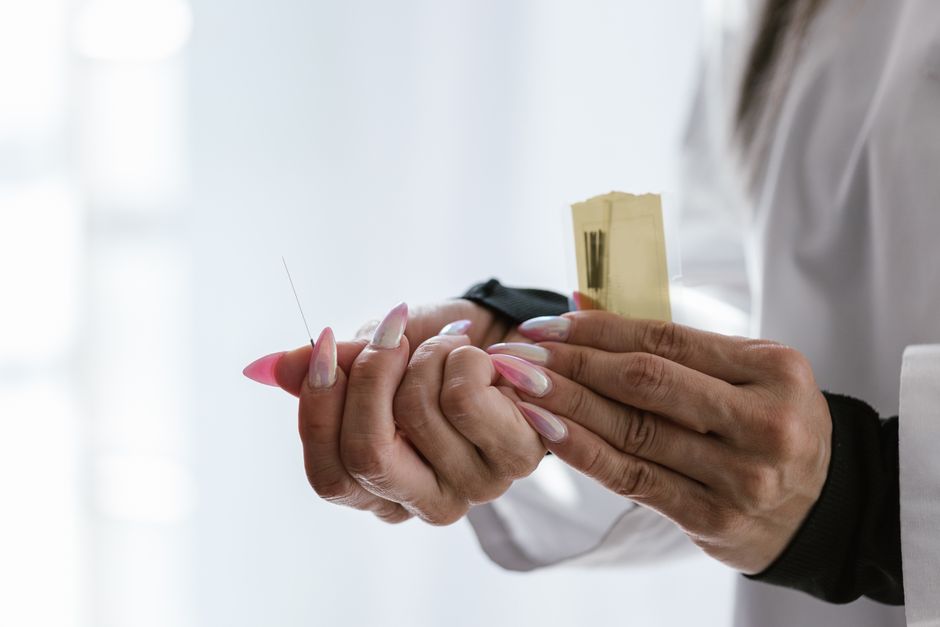
You step inside from the garage or yard, and there it is — a thin piece of metal stuck in your finger. It hurts. You want it out now. But grabbing tweezers and digging around can make things worse if you do it wrong. The safest way to remove a metal splinter at home is to first wash the area with soap and water, then use clean tweezers to pull it out at the same angle it went in. If the splinter is very small or deep, a paste of baking soda and water can help bring it to the surface overnight. You should never squeeze or dig blindly — that pushes it deeper and raises your risk of infection.
What Is the First Step When You Get a Metal Splinter?
Stop what you are doing. Do not touch the splinter with dirty fingers. Go to the sink and wash your hands and the area around the splinter with warm water and mild soap. This is not optional. The skin has bacteria on it, and metal splinters can carry rust, dirt, or oil from whatever you were working with. The CDC states that cleaning a wound within minutes reduces the chance of infection significantly.
After washing, dry the area with a clean towel or paper towel. Pat it gently — do not rub. Rubbing can move the splinter or break off a piece you cannot see. Now look at the splinter under good light. A bright desk lamp or phone flashlight works. If the splinter is sticking out far enough to grab with tweezers, you can proceed. If it is fully buried under the skin, do not dig for it. That is when you try other methods or see a doctor.
Does How To Remove A Metal Splinter Safely At Home Actually Work?
Yes, for most splinters that are visible and not too deep. The key word is safely. The method is straightforward: sterilize tweezers with rubbing alcohol, grip the splinter as close to the skin as possible, and pull it out in the same direction it entered. Do not pull sideways or wiggle it. That can snap the metal off, leaving a piece inside. Once the splinter is out, wash the area again and apply a small amount of antibiotic ointment if you have it. Cover with a bandage for a few hours.
This works best on splinters that are at least a millimeter or two above the skin. For splinters that are flush with the skin or slightly below, a sterilized needle can be used to gently lift the skin over the splinter. This is called creating a flap. You only lift the skin — you do not dig into the wound. Once the tip is exposed, use the tweezers. Research published in the American Family Physician journal confirms that this technique is effective for superficial foreign bodies and has a low complication rate when done cleanly.
What Should You Do If the Splinter Is Too Small or Deep?
Sometimes you can see the splinter but cannot grab it. Or you can feel it but it is fully under the skin. In these cases, a baking soda paste is a common home remedy that some people report success with. Mix one-quarter teaspoon of baking soda with enough water to make a thick paste. Apply it to the splinter site and cover with a bandage. Leave it on for 12 to 24 hours. The theory is that the paste causes the skin to swell slightly, which pushes the splinter closer to the surface. There is no large clinical trial backing this, but it is a low-risk method that does not involve cutting or digging.
Another option is to soak the area in warm water with Epsom salt for 15 to 20 minutes. This softens the skin and may help the splinter move upward. If neither method works after one attempt, do not keep trying. Repeated soaking or poking can irritate the skin and increase infection risk. At that point, it is better to see a healthcare provider. They have better tools, better lighting, and can remove the splinter without damaging surrounding tissue.





What Are the Real Risks of Removing a Metal Splinter at Home?
The biggest risk is infection. Metal splinters, especially from rusty or dirty sources, can introduce bacteria deep into the skin. Tetanus is a serious concern. According to the CDC, tetanus bacteria are commonly found in soil, dust, and manure. A deep puncture wound from a metal splinter is a classic way to get tetanus if you are not vaccinated. If your last tetanus shot was more than 10 years ago, or if you are unsure, you should get a booster. Tetanus is rare in the US because of vaccination, but it is still a real risk with dirty metal wounds.
Other risks include breaking the splinter off inside the skin, scarring, and nerve damage if you dig too deep. The hand and fingers have many small nerves close to the surface. Blind digging with a needle or tweezers can hit one. This can cause numbness or tingling that may last weeks or months. If the splinter is in your palm, near a joint, or very deep, you are better off letting a professional handle it. Do not take risks with your hand function over a small piece of metal.
| Splinter Type | Best Home Method | When to See a Doctor |
|---|---|---|
| Visible, sticking out | Clean tweezers, pull straight out | If it breaks off inside |
| Flush with skin surface | Sterilized needle to lift skin, then tweezers | If you cannot expose the tip |
| Fully buried, visible under skin | Baking soda paste or Epsom salt soak | If not surfaced after 24 hours |
| Deep, painful, or near joint | Do not attempt at home | See a doctor immediately |
What Common Mistakes Make Things Worse?
One of the most common mistakes is squeezing the skin around the splinter. People do this hoping the splinter will pop out. It rarely works. Squeezing pushes the splinter deeper and can break it. It also forces bacteria into the wound. Another mistake is using unsterilized tools. Grabbing a random sewing needle from a drawer without cleaning it first can introduce more bacteria than the splinter itself. Always sterilize with rubbing alcohol or hold the tip of the tool in a flame for a few seconds and let it cool.
People also make the mistake of ignoring a splinter that they cannot remove. They assume the body will push it out on its own. The body can sometimes push small splinters out over weeks, but metal splinters are different from wood splinters. Metal does not break down in the body. It can stay there and cause a chronic infection or form a small abscess. If you cannot get it out in two attempts, do not ignore it. Make an appointment. A doctor can numb the area and remove it cleanly in a few minutes.
What About Using Magnets or Glue?
You may have seen suggestions online to use a magnet to pull out a metal splinter. This is widely claimed, but strong evidence is limited. For a magnet to work, the splinter must be very close to the surface and the magnet must be strong enough. Most household magnets are not strong enough to pull a splinter through skin. Neodymium magnets are stronger, but they can also pinch your skin painfully if you are not careful. Some people report success, but it is not a reliable method.
White glue or school glue is another home remedy. You apply a thick layer over the splinter, let it dry, and peel it off. The idea is that the glue sticks to the splinter and pulls it out. This sometimes works for very small splinters that are barely in the skin. It does not work for splinters that are embedded deeper. It is worth trying only if the splinter is extremely small and mostly on the surface. Do not use super glue or any adhesive that bonds strongly to skin — that can cause a chemical burn or tear the skin when removed.
How Do You Know If the Splinter Is Fully Out?
After you remove the splinter, look at the tip. If it is intact and you can see the full length of the splinter, it is likely all out. Wash the area and feel with a clean finger. If there is no hard spot or sharp point under the skin, you are probably fine. If you feel a bump or a sharp spot, there may be a piece left. Do not dig for it again immediately. Wait a day. The body may push it out on its own. If pain, redness, or swelling develops, see a doctor.
Signs of infection include increasing redness around the wound, warmth, pus, or red streaks moving away from the site. These require medical attention. A small amount of redness around the puncture is normal for the first 24 hours. If it spreads or gets worse after that, it is not normal. The CDC advises that any wound with signs of infection should be evaluated by a healthcare provider, especially if it was caused by a dirty or rusty object.
Frequently Asked Questions
Can I soak a metal splinter in hydrogen peroxide?
Hydrogen peroxide can kill bacteria on the surface, but it also damages healthy tissue and may slow healing. Soap and water are safer and just as effective for cleaning before removal.
How long can a metal splinter stay in your skin safely?
If it is small and clean, a few hours is fine. If it is dirty or rusty, remove it as soon as possible. Leaving any splinter for more than 24 hours increases infection risk.
Should I get a tetanus shot after a metal splinter?
If your last tetanus shot was more than 10 years ago, or if the splinter was dirty or rusty, you should get a booster. Check with your doctor if you are unsure of your vaccination status.
What if the splinter is in my eye?
Do not try to remove it yourself. Cover the eye with a clean cloth or shield and go to the emergency room immediately. Metal in the eye requires professional care.
