
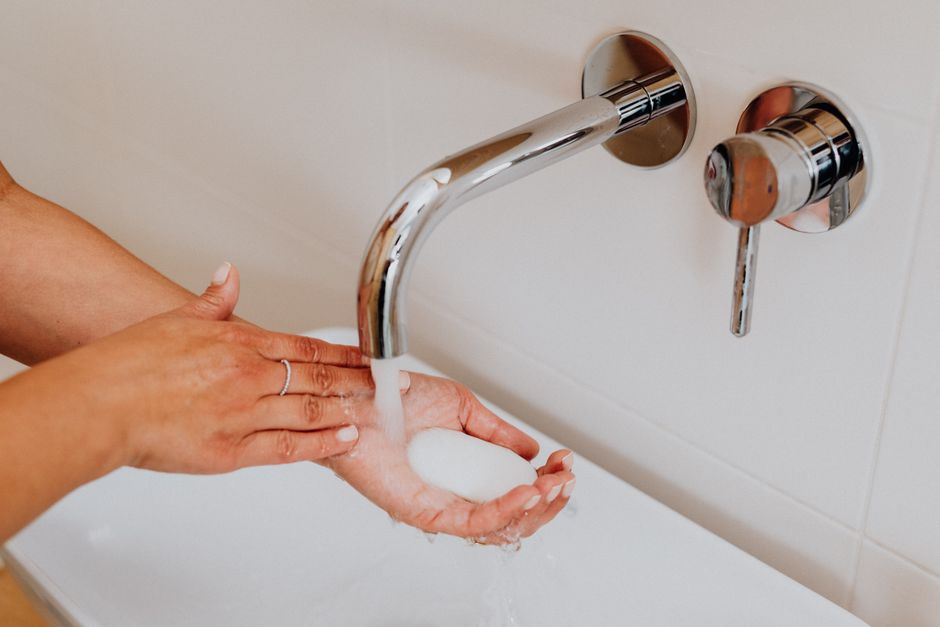
Washing a baby’s hands sounds simple, but the approach changes completely from a newborn who cannot hold their head up to a toddler who just ate dirt. The key fact is that for newborns, you use a warm, damp washcloth with no soap, while for older babies and toddlers, running water and a tiny amount of mild soap is safe and effective. The goal is to remove germs without drying out their delicate skin or teaching them bad hygiene habits.
How Often Should You Wash a Baby’s Hands at Different Ages?
Frequency depends entirely on what the baby touches and puts in their mouth. For newborns under two months who mostly lie still, hand washing is needed mainly after diaper changes and before feedings. The CDC recommends washing hands that will touch the baby, but the baby’s own hands need less frequent cleaning at this stage.
Once babies start crawling and grabbing things around four to six months, the rules change. Wash their hands after every diaper change, before meals, after being in public places, and anytime they have been touching pets or surfaces like grocery cart handles. For toddlers who are walking and exploring, add washing after playing outside, before snacks, and after using the potty.
Research from the American Academy of Pediatrics suggests that over-washing can strip natural oils, so stick to the moments that matter. You do not need to wash hands after every single touch in the house. Focus on the high-risk moments: before eating, after bathroom use, and after returning home from public spaces.
What Is the Correct Technique for Newborns Under 2 Months?
Newborns have very fragile skin that absorbs chemicals easily. The safest method is to use a soft, damp washcloth with plain warm water. Do not use soap on a newborn’s hands unless they have visible dirt or have touched something like raw egg or pet waste.
Wet a clean washcloth with warm water that feels comfortable on your inner wrist. Gently wipe each finger and the palm, paying attention to the creases where milk residue or lint from clothing can collect. Pat dry with a soft towel. Do not rub, as newborn skin is thin and can get irritated.
One concern parents raise is whether hand sanitizer is safe for newborns. The answer is no. The American Academy of Pediatrics advises against hand sanitizer for infants under two months because their skin barrier is not fully developed and they are more likely to put their hands in their mouths immediately after application.
How To Wash Baby Hands for Crawling Babies and Toddlers
Once your baby is sitting up and grabbing things, you can switch to running water and soap. Stand them on a step stool or hold them securely at the sink. Use warm running water, not hot. The temperature should feel neutral on your wrist.
Use a pea-sized amount of mild, fragrance-free soap. Lather for at least 20 seconds. A good trick is to sing the “Happy Birthday” song twice. Focus on the backs of hands, between fingers, and under any fingernails where dirt hides. Rinse thoroughly and dry with a clean towel.
Toddlers often resist hand washing. Make it a game. Let them pick a fun towel or use a soap dispenser that foams. Some parents find that letting the child wash a toy’s hands first helps them cooperate. The key is consistency, not force. If they fight it, take a break and try again in a few minutes.
| Age Group | Soap Use | Water Method | Hand Sanitizer |
|---|---|---|---|
| Newborn (0-2 months) | No soap | Damp washcloth | Not safe |
| Infant (2-12 months) | Pea-sized, mild soap | Running water at sink | Only if no sink available and baby is over 2 months |
| Toddler (12+ months) | Pea-sized, mild soap | Running water at sink | OK for on-the-go, but supervise use |





What Are the Risks of Using Hand Sanitizer on Babies and Toddlers?
Hand sanitizer is not a replacement for soap and water, especially for children. The CDC states that alcohol-based sanitizers do not remove all types of germs and are less effective when hands are visibly dirty or greasy. For babies who often have food, drool, or dirt on their hands, soap and water is the better choice.
There is also a real risk of ingestion. A study published in the journal Clinical Toxicology reported that hand sanitizer exposure calls to poison control centers for children under five increased significantly in recent years. A toddler licking their hands after sanitizer has been applied can ingest enough alcohol to cause dizziness or, in rare cases, low blood sugar.
If you do use hand sanitizer on a toddler, choose one with at least 60% alcohol. Apply it yourself and rub until their hands are completely dry. Do not let them handle the bottle. Keep all hand sanitizer out of reach when not in use.
Common Mistakes Parents Make When Washing Baby Hands
The most common mistake is using too much soap. Baby skin is not the same as adult skin. Excess soap dries out the natural barrier, leading to redness and cracking. Cracks in the skin actually let germs in, which defeats the purpose of washing.
Another mistake is forgetting to wash between fingers and under nails. Germs hide in these spots. A quick rinse under water does not remove bacteria. You need friction from rubbing for at least 15-20 seconds.
Some parents also dry hands on a shared family towel that has not been changed in days. Damp towels breed bacteria. Use a clean towel each time, or use disposable paper towels in the bathroom. For babies, a dedicated small towel that gets washed every two days is a good practice.
Finally, many parents wash hands immediately before applying diaper cream or lotion. This is fine, but make sure the hands are completely dry before applying anything oily. Wet skin under creams can trap bacteria and cause irritation.
What to Do When Your Baby or Toddler Refuses Hand Washing
Refusal is normal, especially around 18 months to 3 years when toddlers assert independence. Do not turn it into a power struggle. Shorten the process. A five-second rinse with soap is better than a thirty-second fight that makes them hate the sink.
Try changing the environment. A step stool that gives them a better view of the sink can help. Some toddlers respond to a small reward chart with stickers for each successful hand wash. Others just need a distraction, like naming each finger while washing it.
If your child has sensory sensitivities, the feeling of water or soap may be overwhelming. Let them try a warm, damp washcloth instead of running water. Some children prefer foam soap over liquid because it feels less wet. Experiment with different temperatures and textures to find what works.
The most important thing is to stay calm. If they refuse, wash your own hands in front of them and explain what you are doing. Children learn by watching. They may resist for weeks and then suddenly start imitating you.
Frequently Asked Questions
Can I use antibacterial soap on my baby’s hands?
No, plain mild soap is better. The FDA says antibacterial soaps are no more effective than regular soap and may contribute to antibiotic resistance.
How do I wash a newborn’s hands without a sink nearby?
Use pre-moistened baby wipes that are fragrance-free and alcohol-free. Wipe each finger and the palm, then let air dry.
Is it safe to use hand sanitizer on a 6-month-old?
Yes, but only when soap and water are not available. Use a small amount and rub until dry. Supervise so they do not lick their hands.
My toddler bites their nails. How do I clean under them?
Use a soft baby nail brush or an old soft toothbrush with soap and water during bath time. Keep nails trimmed short to reduce dirt buildup.
