
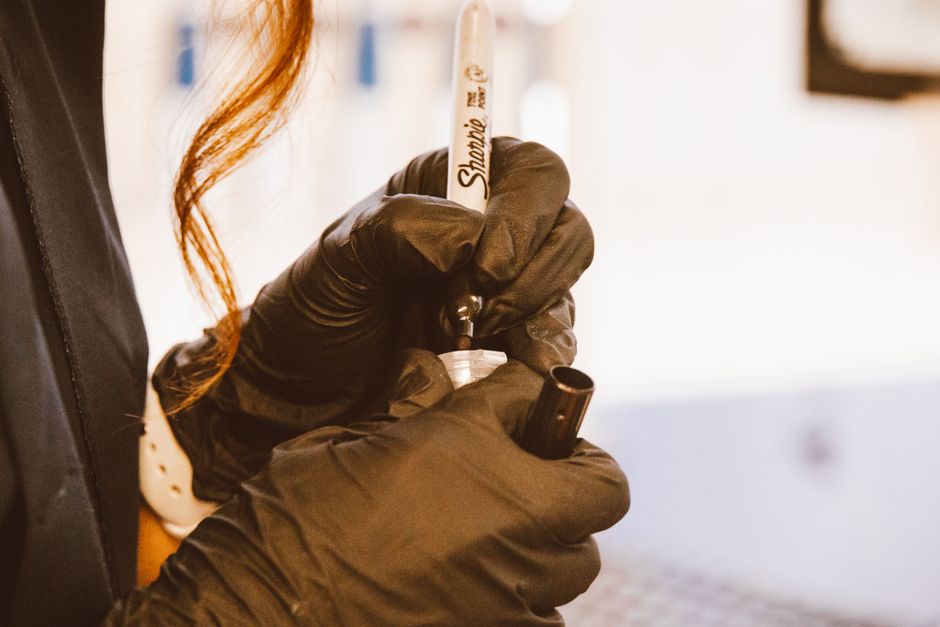
Sharpie marks can feel permanent, but they are not. The right solvent will lift most fresh or dried ink from hard surfaces, fabric, and skin. Rubbing alcohol works best for most materials. Hand sanitizer, hairspray, and even toothpaste can work in a pinch. The key is matching the solvent to the surface without damaging it.
What Is the Best Solvent for Removing Sharpie?
Rubbing alcohol is the most reliable Sharpie remover. Isopropyl alcohol dissolves the ink’s solvents, breaking the bond between the pigment and the surface. The CDC notes that alcohol concentrations of 70% or higher are effective for this purpose.
Hand sanitizer works because it contains alcohol. Apply a generous amount, let it sit for 30 seconds, then wipe. Hairspray also works if it lists alcohol as a main ingredient. Spray until wet, wait, then blot. Both options are widely available and safe on most hard surfaces.
Nail polish remover with acetone is stronger. It works faster on dried ink but can damage plastic, painted walls, and some fabrics. Test on an unseen area first. Acetone is a harsh solvent and should be used only when alcohol fails.
How Do You Remove Sharpie from Hard Surfaces?
Non-porous surfaces like glass, metal, and countertops are the easiest to clean. The ink sits on top and does not soak in. A dry erase marker is a surprising trick. Draw over the Sharpie with a dry erase marker, let it sit for a few seconds, then wipe both away with a cloth. The solvent in the dry erase ink lifts the permanent marker.
For plastic items like toys or storage bins, rubbing alcohol is safest. Apply with a cotton ball or soft cloth. Rub gently to avoid scratching the surface. If the plastic is porous or textured, the ink may have seeped in. In that case, repeat the process or let the alcohol sit for a full minute before wiping.
Painted walls are trickier. The solvent that removes Sharpie can also remove paint. Test rubbing alcohol on a hidden spot first. If the paint stays, dab the stain gently. Do not scrub. Scrubbing lifts paint even when the solvent does not. If alcohol damages the paint, try baking soda paste. Mix baking soda with a little water to form a paste, apply, and gently rub. This is less effective but safer for painted surfaces.
| Surface | Best Solvent | Risks |
|---|---|---|
| Glass | Rubbing alcohol or dry erase marker | Very low |
| Metal | Rubbing alcohol | Low |
| Plastic | Rubbing alcohol | Acetone can damage |
| Painted wall | Baking soda paste or alcohol (test first) | Paint may lift |
| Wood | Rubbing alcohol or toothpaste | Finish may dull |
Can You Remove Sharpie from Fabric and Clothing?
Fabric is porous, so Sharpie soaks in quickly. Act fast. Fresh ink is much easier to remove than dried ink. For washable fabrics, place the stained area face down on a stack of paper towels. Apply rubbing alcohol to the back of the stain. The ink will bleed onto the paper towels below. Replace the paper towels as they soak up ink. Keep applying alcohol until no more ink transfers.
After the ink stops bleeding, rinse the fabric with cold water. Then wash it normally with laundry detergent. Do not put the item in the dryer until you are sure the stain is gone. Heat sets the stain permanently.
For delicate fabrics like silk or wool, rubbing alcohol may cause damage. Some people report success with white vinegar or milk. Strong evidence is limited. Test on a hidden seam first. If the fabric is expensive or sentimental, consider professional dry cleaning.


How Do You Remove Sharpie from Skin?
Sharpie on skin is not dangerous, but it can be stubborn. The FDA considers permanent markers safe for skin contact in small amounts, but they are not designed for it. Rubbing alcohol works quickly. Apply with a cotton ball and rub gently. The ink lifts in seconds.
If you do not have alcohol, hand sanitizer works the same way. Baby oil, coconut oil, or olive oil also work. Oil breaks down the ink’s binder. Rub the oil into the skin, let it sit for a minute, then wash with soap and water. This method is gentler and good for sensitive skin.
Toothpaste is widely claimed to work. Some people report success, but strong evidence is lacking. It may work through mild abrasion. If you try it, use white toothpaste, not gel. Rub gently to avoid skin irritation.
What Does Not Work for Removing Sharpie?
Water alone does not remove Sharpie. Permanent markers are designed to be water-resistant. Soaking the item in water will not lift the ink. Do not waste time on this.
Bleach is dangerous and unnecessary. It can damage fabrics, surfaces, and skin. It also creates toxic fumes when mixed with other cleaners. There is no reason to use bleach for Sharpie removal.
Erasers, both pencil and art gum, rarely work. They may smear the ink or push it deeper into porous surfaces. The abrasion can also damage the surface itself.
Lemon juice and baking soda are popular online. Research shows these are mild acids and abrasives. They can lighten some stains but rarely remove Sharpie completely. They are better for general cleaning than ink removal.
Common Misconceptions about Sharpie Removal
One common myth is that Sharpie is truly permanent once dry. This is not true. The ink dries quickly, but the solvents in the marker remain soluble. Alcohol, acetone, and oil can still dissolve it days or weeks later. Dry ink is harder to remove but not impossible.
Another myth is that hairspray is the best option. Hairspray works because of its alcohol content, but it also contains resins and fragrances that can leave a sticky residue. Rubbing alcohol is cleaner and more effective. Only use hairspray if alcohol is not available.
Some people believe that freezing the item makes the ink easier to remove. Freezing does not break down the ink’s chemical bond. It may make the marker brittle, but the stain remains. This method is not supported by evidence.
Frequently Asked Questions
Does rubbing alcohol remove Sharpie from all surfaces?
No. It works on non-porous surfaces like glass and metal but may damage some plastics, painted walls, and delicate fabrics. Always test on a hidden area first.
Can I use hand sanitizer to remove Sharpie?
Yes. Hand sanitizer contains enough alcohol to lift fresh and dried Sharpie from most hard surfaces and skin. Apply generously and let it sit for 30 seconds before wiping.
Will toothpaste remove Sharpie from walls?
Some people report success, but evidence is weak. Toothpaste may work through mild abrasion on non-porous painted walls. Test on a hidden spot to avoid removing paint.
Is Sharpie on skin dangerous?
No. The FDA considers permanent markers safe for brief skin contact. Wash it off with rubbing alcohol or oil. Do not leave it on for extended periods.
