
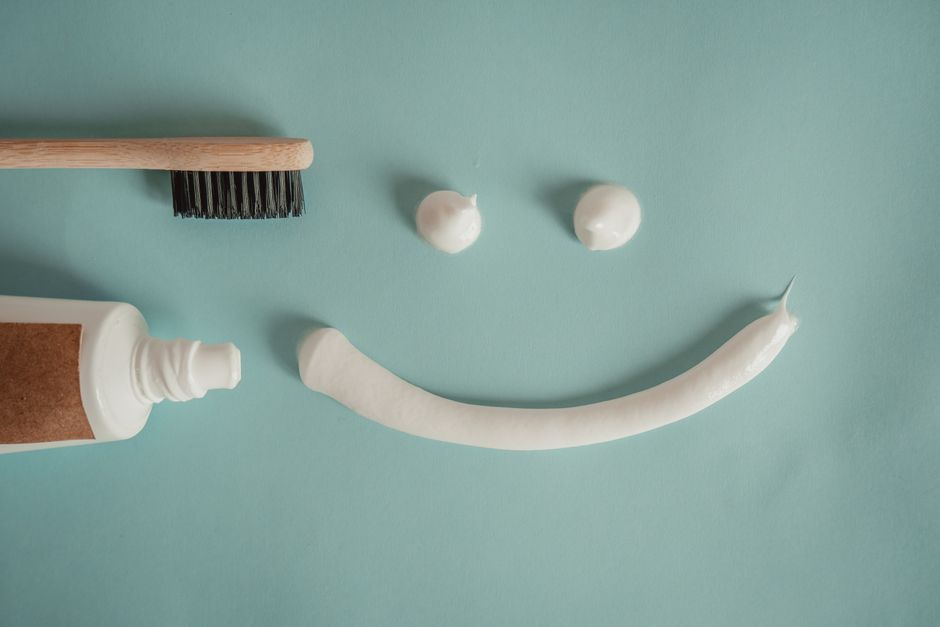
A tube of toothpaste typically lasts between 2 and 6 months depending on how much you use, how often you brush, and the size of the tube. For a standard 4-ounce tube with twice-daily brushing of a pea-sized amount, most people finish it in about 3 to 4 months. The expiration date printed on the tube or box is a more reliable timeline for effectiveness, usually ranging from 18 to 24 months from the manufacturing date.
How Long Does Toothpaste Last After Opening?
Once you open a tube, toothpaste is generally good for about 12 to 24 months. The expiration date on the packaging assumes the product is unopened. After opening, the clock changes slightly because exposure to air and bacteria from your toothbrush can degrade the ingredients faster.
The American Dental Association notes that fluoride, the active ingredient that prevents cavities, remains stable for about two years in an unopened tube. Once opened, fluoride stays effective for the product’s labeled shelf life as long as you store it properly. Keep the cap on tight and store the tube in a cool, dry place. Bathroom cabinets that get steamy from showers can speed up ingredient breakdown.
Some people report that toothpaste dries out or hardens near the nozzle after a few months. This is cosmetic — the inner paste is still fine. If the texture changes significantly or separates into liquid and paste, toss it.
What Does the Expiration Date on Toothpaste Actually Mean?
The expiration date on toothpaste is not a suggestion. It is based on stability testing done by the manufacturer. The FDA requires expiration dates for over-the-counter drug products including toothpaste that contains fluoride. After that date, the manufacturer cannot guarantee the fluoride concentration.
Research published in the Journal of Dental Research found that fluoride levels in toothpaste can drop by 10 to 15 percent after the expiration date. This matters because cavity prevention relies on enough fluoride being present. Brushing with expired toothpaste is not dangerous, but you get less protection. The toothpaste still cleans your teeth mechanically through the abrasives. It just does not deliver the same anti-cavity benefit.
If your tube expired six months ago and you have nothing else, use it. It will not hurt you. But buy a fresh tube as soon as you can. For children whose teeth are still developing, fresh toothpaste with active fluoride is more important.
Does Toothpaste Size Matter for How Long It Lasts?
Toothpaste tubes come in sizes ranging from travel-friendly 1-ounce tubes to family-sized 6-ounce tubes. The size directly determines how long the tube lasts. A 1-ounce tube used twice daily with a pea-sized amount lasts about 2 to 3 weeks. A 6-ounce tube under the same conditions lasts about 4 to 6 months.
Here is a quick reference table for common tube sizes:
| Tube Size | Estimated Lifespan (twice daily, pea-sized amount) |
|---|---|
| 1 ounce (travel) | 2 to 3 weeks |
| 3 ounces | 1.5 to 2 months |
| 4 ounces (standard) | 3 to 4 months |
| 6 ounces (family) | 4 to 6 months |
These estimates assume you use the correct amount. Many adults use more than they need. A pea-sized amount is about the size of a green pea — roughly 0.25 grams of paste. Using a strip that covers the whole brush head cuts your tube life in half and provides no extra benefit. The ADA states that more toothpaste does not mean more cleaning. It just means more waste.




What Factors Make Toothpaste Expire Faster?
Several things can shorten the effective life of your toothpaste beyond the printed expiration date. Storage conditions matter more than most people realize. Heat and humidity break down fluoride and other active ingredients faster than cool dry storage. A bathroom cabinet near a shower or radiator is one of the worst places to keep toothpaste.
Contamination from your toothbrush also plays a role. Every time you touch the tube nozzle with a used brush, you introduce bacteria and moisture into the paste. Over weeks, this can cause the toothpaste near the opening to degrade or even grow mold in rare cases. Wiping the nozzle clean before capping it helps. So does squeezing from the bottom of the tube to push paste toward the opening rather than letting air pockets form.
Children’s toothpaste often has a shorter shelf life because it contains lower fluoride concentrations and more flavoring agents that degrade faster. Check the expiration date on kids’ tubes more carefully. If your child’s toothpaste has been sitting in a warm bathroom for over a year, replace it.
How Long Does Toothpaste Last After the Expiration Date?
Using toothpaste past its expiration date is not harmful, but the effectiveness drops. The fluoride content begins to degrade after the expiration date. Studies have shown that after one year past expiration, fluoride levels can fall below the minimum required for cavity prevention. The mechanical cleaning action from abrasives like silica or calcium carbonate still works. Your teeth will feel clean. You just lose the chemical protection.
The biggest concern with expired toothpaste is not safety — it is wasted effort. If you are brushing to prevent cavities and your toothpaste has lost its fluoride, you are not getting the full benefit. For people with good oral hygiene and low cavity risk, this may not matter much. For people prone to cavities, it matters a lot.
Some people report that expired toothpaste separates, dries out, or develops an off taste. These are signs the product has degraded. Do not add water to rehydrate it. Water dilutes the fluoride and introduces bacteria. Just buy a new tube.
Common Misconceptions About Toothpaste Shelf Life
A widespread myth is that toothpaste never expires because it has been around for decades. This is false. Modern toothpaste contains fluoride, which is a regulated active ingredient with a defined shelf life. Another myth is that natural or fluoride-free toothpaste lasts indefinitely. Natural toothpastes still contain ingredients like baking soda, coconut oil, or essential oils that can degrade or go rancid over time. Check the expiration date on natural brands too.
Some people believe that if toothpaste still feels wet and smells fine, it is still fully effective. Texture and smell are not reliable indicators of fluoride stability. The only way to know the fluoride level is through laboratory testing. That is why expiration dates exist — they are based on actual stability data, not guesses.
Another common mistake is thinking that toothpaste tubes with metal crimped ends last longer than plastic tubes. The packaging type does not significantly affect shelf life. Both types protect the paste from air and light equally well when sealed. The difference is mostly about ease of squeezing and recycling.
Frequently Asked Questions
Can I use toothpaste that expired two years ago?
Yes, it will not harm you, but the fluoride content is likely too low to prevent cavities effectively. The paste still cleans mechanically but offers minimal anti-cavity protection.
Does toothpaste expire if unopened?
Yes, unopened toothpaste has a shelf life of 18 to 24 months from the manufacturing date. The expiration date printed on the box accounts for the unopened product.
How should I store toothpaste to make it last longer?
Store toothpaste in a cool, dry place away from direct sunlight and humidity. A bedroom drawer is better than a bathroom cabinet if your bathroom gets steamy.
Is it safe to use toothpaste that has separated or dried out?
It is safe but not recommended. Separation or drying indicates the ingredients have degraded. Replace it with a fresh tube for best results.
