

Removing bark from wood is straightforward with the right tools. The best method depends on whether the wood is fresh or dry. For fresh wood, a drawknife or bark spud works quickly. For dry wood, use a chisel or spoke shave after soaking the log. Below are the key tools and techniques for each situation.
What Tools Are Used to Remove Bark from Wood?
Several tools are designed for removing bark. A bark spud is a wedge-shaped blade on a handle. You push it between the bark and wood to pry the bark off in strips. A drawknife has two handles and a long blade. You pull it toward you to shave bark off. A spoke shave is a smaller tool with a blade held in a frame. It is best for smoothing and removing thin bark. A hatchet or axe can knock bark off larger logs, but it takes more force.
For small pieces and craft projects, a curved knife or hooked knife works well. A wire brush can remove loose bark and dirt after the main bark is off. All these tools need to be sharp to work safely and effectively.
How to Remove Bark from Freshly Cut Wood
Freshly cut wood is the easiest to debark. The bark is still moist and separates from the wood easily. Start by making a cut through the bark along the length of the log with a knife. Then insert a bark spud or drawknife under the bark at the cut. Push or pull the tool along the log. The bark should peel off in long strips.
Work from one end toward the other. If the bark sticks, use the drawknife to shave it off in thinner layers. Fresh wood is soft, so you want to avoid gouging the wood underneath. Let the wood dry after debarking to prevent cracking.
How to Remove Bark from Dry Wood
Dry wood has bark that is very hard and brittle. It does not peel off easily. The best approach is to soften the bark first. Soak the log in water for at least 12 to 24 hours. This rehydrates the bark and makes it easier to remove. After soaking, use a drawknife or spoke shave to shave off the bark.
An alternative is to use a chisel and mallet. Tap the chisel along the edge of the bark to break it loose. Then pry it off. A wire brush can help remove remaining fibers. Some woodworkers burn the bark off with a propane torch and then scrape it. That method works but requires caution to avoid setting the wood on fire.



Which Method Works Best for Different Wood Types?
Softwoods like pine and fir have bark that comes off easily when fresh. A bark spud is often enough. Hardwoods like oak and maple have thicker, tougher bark. A drawknife or hatchet may be needed. For small branches or thin bark, a sharp knife will do the job.
Some wood species have bark that is difficult to remove even when fresh. For example, walnut bark can be stringy and cling to the wood. In that case, soaking or using a drawknife with repeated passes works best. No single method works perfectly on every type of wood. Matching the tool to the wood species saves time and effort.
Safety Tips for Bark Removal
All bark removal tools have sharp blades. Always cut away from your body. Wear cut-resistant gloves and eye protection. Secure the log so it does not roll. Use a clamp or a bench with a stop. Keep tools dry and sharp. A dull tool is more dangerous than a sharp one because it requires more force.
When using a hatchet or axe, make sure no one is near the swing path. For power tools like angle grinders with wire cup brushes, wear a dust mask and hearing protection. Dry bark dust can irritate your lungs. Work in a well-ventilated area or outdoors.
Common Mistakes to Avoid
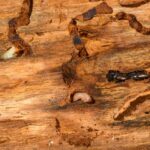
One mistake is trying to debark very dry wood without soaking it first. This often damages the tool or the wood beneath. Another mistake is using a tool that is too small for the log. You end up taking many thin passes, which wastes time. Also, avoid leaving bark on logs that will be used for furniture or carving. The bark retains moisture and can promote rot and insect damage.
Some people try to speed up the process with power tools like planers or chainsaws. These can remove too much wood or catch dangerously. Stick to hand tools for control and precision. If you must use power tools, practice on scrap first.
Frequently Asked Questions
What is the easiest way to remove bark from a log?
The easiest way is to use a bark spud on fresh wood. The bark peels off in large strips with minimal effort.
Can you remove bark from wood without tools?
You can rub bark off by hand when the wood is very wet, but it is slow and messy. Tools are needed for efficient removal.
How long should you soak wood to remove bark?
Soak dry wood for 12 to 24 hours. The bark softens enough to shave off with a drawknife or spoke shave.
Is it better to remove bark from wet or dry wood?
Wet wood is always easier. Freshly cut wood does not need soaking. Dry wood requires rehydration or more aggressive tools.
