
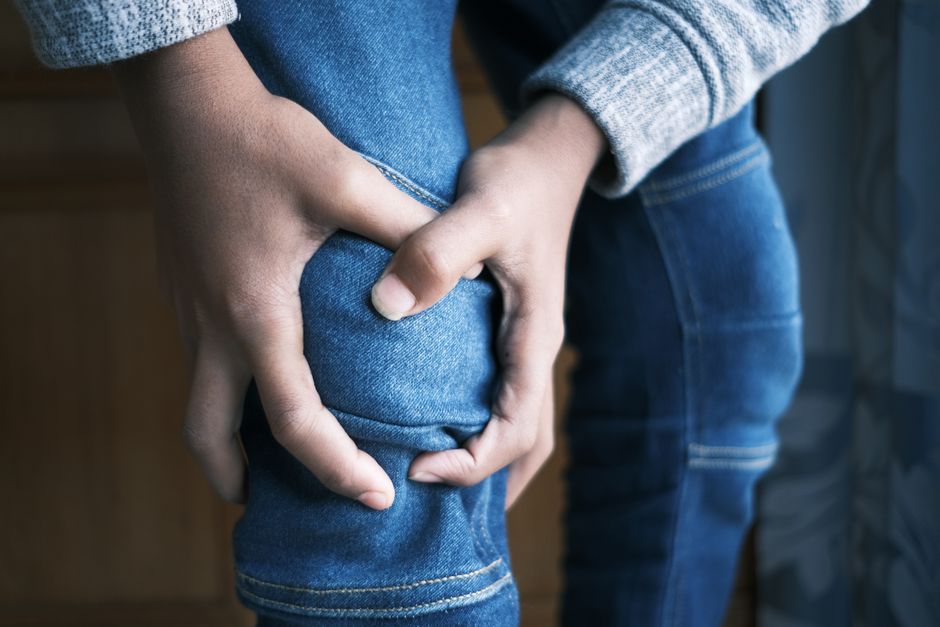
Severe lower back pain often responds to a combination of short-term rest, heat application, over-the-counter anti-inflammatory medications, and targeted movement exercises. Most acute episodes improve within two to six weeks when treated with appropriate self-care measures and gradual activity resumption. Persistent or worsening pain requires medical evaluation to rule out serious underlying conditions such as herniated discs or spinal stenosis.
What Causes Severe Lower Back Pain?
Muscle strain accounts for most cases of severe lower back pain. Heavy lifting, sudden movements, or maintaining awkward positions for extended periods can tear muscle fibers or strain ligaments in the lumbar region. These injuries trigger inflammation and muscle spasms that create intense localized pain.
Structural problems represent another common category. Herniated discs occur when the soft inner material of a spinal disc pushes through its outer layer and presses against nearby nerves. This creates sharp radiating pain that often extends down one or both legs. Spinal stenosis, a narrowing of the spinal canal, puts pressure on the spinal cord and nerves, causing similar symptoms.
Degenerative conditions develop gradually over time. Osteoarthritis breaks down the cartilage between spinal joints, while degenerative disc disease causes the cushioning discs to lose water content and height. Both conditions reduce spacing between vertebrae and can lead to bone spurs that irritate nerves.
Less common but serious causes include compression fractures from osteoporosis, kidney stones, infections, or tumors. Sudden severe pain accompanied by fever, unexplained weight loss, loss of bladder control, or leg weakness requires immediate medical attention.
How to Relieve Severe Lower Back Pain at Home?
Apply heat to the affected area for 15 to 20 minutes at a time. Heating pads, warm baths, or hot water bottles increase blood flow to damaged tissues and relax tight muscles. Heat works better than ice for most muscle-related lower back pain, though ice may help if swelling is visible or the injury occurred within the past 48 hours.
Take over-the-counter anti-inflammatory medication according to package directions. Ibuprofen and naproxen reduce both pain and inflammation. Research shows these nonsteroidal anti-inflammatory drugs (NSAIDs) provide moderate pain relief for acute lower back pain episodes. Acetaminophen reduces pain but does not address inflammation, making it less effective for most back injuries.
Limit bed rest to one or two days maximum. Extended bed rest weakens muscles and stiffens joints, which slows recovery. Studies conducted in the 1990s found that people who stayed active recovered faster than those who rested for a week or longer. Move gently within your pain tolerance even when discomfort is present.
Perform gentle stretching exercises once initial sharp pain subsides. Knee-to-chest stretches, cat-cow positions, and pelvic tilts help restore flexibility without excessive strain. Physical therapists commonly recommend these movements because they engage core muscles that support the spine without requiring equipment or specialized knowledge.
Which Exercises Help Relieve Severe Lower Back Pain?
Walking ranks as one of the most effective low-impact exercises for back pain. It increases blood flow, strengthens core muscles, and improves flexibility without jarring movements. Start with five to ten minutes if pain is severe and gradually increase duration as tolerance improves. Flat surfaces work best initially.
The McKenzie method uses specific extension exercises that push the spine backward. Lying face-down and pressing the upper body up while keeping hips on the floor can help relocate herniated disc material away from nerves. Some studies suggest this approach reduces leg pain in people with sciatica, though results vary widely between individuals.
Core strengthening exercises target the muscles that stabilize the spine. Planks, bird dogs, and modified crunches build strength in the abdominals and lower back muscles when performed correctly. Research indicates that stronger core muscles reduce the recurrence rate of lower back pain episodes, though they may not provide immediate pain relief during acute flare-ups.
Yoga and Pilates combine stretching with controlled movements. A 2017 review found that yoga provided moderate improvements in pain and function for chronic lower back pain. Classes designed specifically for back pain focus on gentle poses that avoid extreme twisting or forward bending.





When Should You See a Doctor for Severe Lower Back Pain?
Seek immediate medical care if severe lower back pain occurs after a significant fall or accident. Trauma can cause fractures or internal injuries that require prompt imaging and treatment. Similarly, pain accompanied by fever above 100.4°F suggests possible infection of the spine or surrounding tissues.
Loss of bladder or bowel control constitutes a medical emergency. This symptom indicates cauda equina syndrome, a condition where severe nerve compression damages the nerve bundle at the base of the spine. Without surgical intervention within 48 hours, permanent nerve damage may occur.
Progressive leg weakness or numbness that worsens over days requires evaluation within 24 to 48 hours. These symptoms suggest significant nerve compression that may benefit from corticosteroid injections or surgical decompression if conservative treatments fail.
Pain that persists beyond six weeks despite home treatment warrants a medical appointment. Chronic lower back pain may require physical therapy, prescription medications, or diagnostic imaging to identify underlying structural problems. Unexplained weight loss or pain that worsens at night also deserves investigation to rule out serious conditions.
What Medical Treatments Work for Severe Lower Back Pain?
Prescription muscle relaxants reduce spasms in acute lower back pain. Medications like cyclobenzaprine work through the central nervous system to decrease muscle tension. Evidence suggests they provide modest short-term relief but cause drowsiness and dizziness in many users. Doctors typically limit prescriptions to two weeks or less.
Epidural steroid injections deliver anti-inflammatory medication directly around spinal nerves. These injections can provide temporary relief for pain caused by herniated discs or spinal stenosis. Studies show mixed results — some people experience significant improvement lasting weeks or months while others notice minimal benefit. As of 2026, guidelines suggest considering injections when oral medications and physical therapy have not provided adequate relief after several weeks.
Physical therapy programs combine manual therapy with supervised exercise. Therapists use techniques like joint mobilization, soft tissue massage, and customized strengthening exercises based on individual movement patterns. Research consistently shows that structured physical therapy improves outcomes for both acute and chronic lower back pain, particularly when started within the first few weeks of symptoms.
Surgery becomes an option when conservative treatments fail and imaging confirms specific structural problems. Discectomy removes herniated disc material pressing on nerves, while spinal fusion joins two or more vertebrae to eliminate painful motion. Surgical success rates vary depending on the underlying condition. Herniated discs respond better to surgery than non-specific chronic pain without clear structural causes.
How to Prevent Severe Lower Back Pain from Returning?
Maintain a healthy weight to reduce stress on spinal structures. Excess body weight, especially around the abdomen, shifts the center of gravity forward and increases strain on lower back muscles. Studies link obesity to higher rates of chronic lower back pain, though weight loss alone does not guarantee pain resolution.
Practice proper lifting technique every time you move heavy objects. Bend at the knees rather than the waist, hold items close to your body, and avoid twisting while lifting. These mechanics distribute weight more evenly across larger muscle groups rather than concentrating force on the lower spine.
Adjust your workspace to support neutral spine position. Computer monitors should sit at eye level, chairs should support the natural curve of the lower back, and feet should rest flat on the floor. People who sit for extended periods benefit from standing every 30 to 45 minutes to change position and reduce static muscle loading.
Stay physically active on most days of the week. Regular exercise maintains flexibility, strengthens supporting muscles, and improves overall resilience. Activities do not need to be intense — moderate walking, swimming, or cycling for 30 minutes provides measurable benefits without excessive impact.
Comparison of Common Treatment Approaches
| Treatment | Timeframe | Evidence Level | Best For |
|---|---|---|---|
| Heat therapy | Immediate relief | Moderate | Muscle strain and spasms |
| NSAIDs | 1-3 days | Strong | Acute inflammation |
| Physical therapy | 2-6 weeks | Strong | Most types of back pain |
| Muscle relaxants | Few days | Moderate | Acute muscle spasms |
| Steroid injections | 1-2 weeks | Moderate | Nerve compression |
| Surgery | Months | Strong for specific conditions | Confirmed structural damage |
What Does Not Work for Severe Lower Back Pain?
Extended bed rest beyond 48 hours consistently shows poor outcomes in research. Prolonged inactivity weakens muscles, reduces flexibility, and increases the psychological burden of pain. The shift away from bed rest recommendations in the 1990s represented one of the most significant changes in back pain treatment.
Many herbal supplements and topical creams lack convincing evidence. Glucosamine and chondroitin, widely marketed for joint health, show no benefit for lower back pain in controlled trials. Capsaicin creams may provide mild temporary relief but do not address underlying causes. Claims that specific supplements can “cure” back pain are not supported by clinical research as of 2026.
Passive treatments used in isolation rarely produce lasting improvement. Massage, ultrasound, and electrical stimulation may feel pleasant but work best when combined with active exercise and movement. Relying solely on treatments performed by someone else rather than engaging in self-directed activity typically leads to temporary relief followed by recurrence.
Back braces and supports do not prevent pain or speed recovery for most people. Some find them psychologically reassuring, but wearing a brace for extended periods can actually weaken core muscles that naturally stabilize the spine. Occupational back belts, once common in warehouse settings, show no protective benefit in workplace studies.
Key Self-Care Steps for Immediate Relief
- Apply heat for 15-20 minutes every 2-3 hours during the first few days
- Take ibuprofen or naproxen with food to reduce stomach irritation
- Try sleeping on your side with a pillow between your knees to maintain spinal alignment
- Avoid sitting for more than 30 minutes without standing and moving briefly
- Begin gentle walking even when some pain persists, gradually increasing distance
- Perform basic stretches like knee-to-chest holds for 30 seconds on each side
- Avoid heavy lifting, twisting movements, and activities that clearly worsen pain
Frequently Asked Questions About How to Relieve Severe Lower Back Pain
How long does severe lower back pain usually last?
Most acute lower back pain improves significantly within two to four weeks with appropriate self-care. About 90 percent of episodes resolve within six weeks regardless of treatment approach.
Is ice or heat better for severe lower back pain?
Heat generally works better for muscle-related lower back pain because it increases blood flow and relaxes tight muscles. Ice may help if you have visible swelling or the injury occurred within the past 48 hours.
Can you exercise with severe lower back pain?
Gentle movement and walking are beneficial even during acute pain episodes, though you should avoid activities that significantly worsen symptoms. Complete rest beyond one or two days typically slows recovery.
What sleeping position is best for severe lower back pain?
Side sleeping with a pillow between the knees maintains neutral spine alignment for most people. Back sleeping with a pillow under the knees also reduces strain on the lower spine.
