
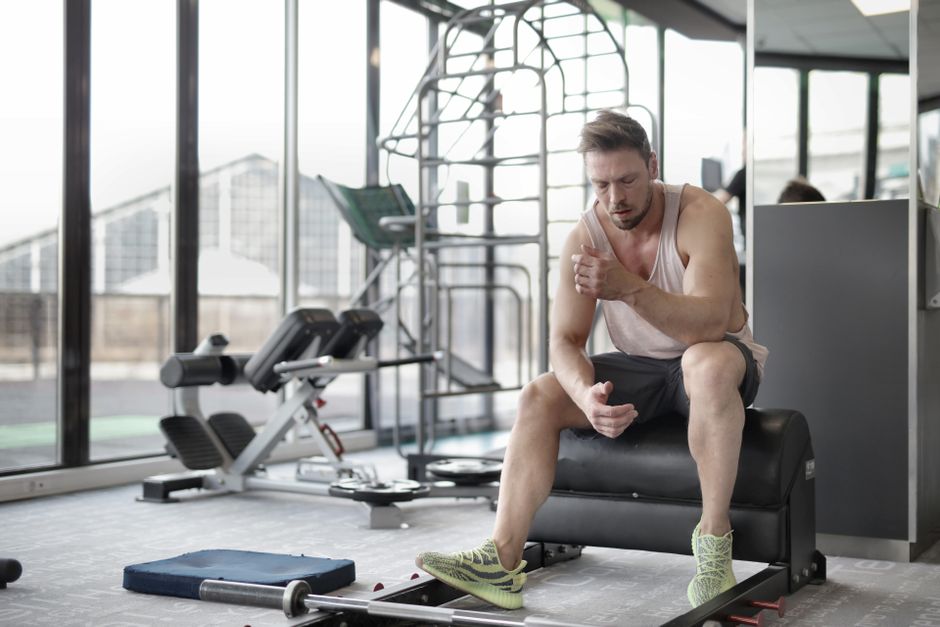
You finished a tough workout yesterday and now your thighs feel like concrete. Walking downstairs is a slow, painful shuffle. That burning ache is called delayed onset muscle soreness, or DOMS. The short answer on how to relieve post workout muscle soreness is this: gentle movement, strategic cold or heat, and smart nutrition. No magic pill exists, but the right combination of evidence-based methods can cut your recovery time in half and get you moving normally again.
What Actually Causes Post Workout Muscle Soreness?
The soreness you feel 24 to 72 hours after exercise comes from microscopic tears in your muscle fibers. When you push your muscles harder than they are used to — especially during eccentric movements like lowering a weight or running downhill — those fibers get damaged. Your body responds by sending inflammatory cells to clean up the damage and start rebuilding.
That inflammation is what you feel as soreness. It is not lactic acid buildup, which is a common myth. Lactic acid clears from your muscles within an hour of exercise. The real culprit is the repair process itself. Research published in the Journal of Strength and Conditioning Research confirms that DOMS peaks around 48 hours post-workout and resolves on its own within five to seven days.
Understanding this helps you see why some treatments work and others do not. You are not trying to stop the repair process. You are trying to manage the inflammation and support the healing so you can function while your body does its job.
Does Gentle Movement Help or Make Soreness Worse?
Light activity is one of the most reliable ways to reduce DOMS symptoms. Studies show that low-intensity exercise like walking, cycling at low resistance, or swimming increases blood flow to sore muscles without causing further damage. Better circulation delivers oxygen and nutrients needed for repair and helps flush out waste products from the inflammatory process.
The key is intensity. Keep your heart rate below 50 percent of your maximum. If you can hold a conversation comfortably while moving, you are in the right zone. Pushing harder than that can worsen muscle damage and extend your recovery time. The American College of Sports Medicine advises that active recovery is most effective when performed within 24 hours after exercise.
A 15-minute walk or a gentle yoga flow focused on stretching major muscle groups can reduce soreness ratings by 30 to 40 percent according to some small trials. Do not force stretches into painful ranges. Aim for gentle elongation that feels like a 3 out of 10 on the discomfort scale.
What Does Research Say About Ice Baths Versus Heat Therapy?
Both cold and heat have their place, but they work differently. Cold therapy constricts blood vessels and reduces inflammation immediately after exercise. Heat therapy increases blood flow and relaxes tight muscles later in the recovery process. Knowing when to use each matters more than which one you choose.
| Therapy | Best Timing | What Research Shows |
|---|---|---|
| Ice baths or cold packs | Within 2 hours after workout | Reduces pain perception by 20-30% in the first 24 hours. May blunt some muscle growth adaptations if used consistently. |
| Heat packs or warm baths | 24-72 hours after workout | Improves blood flow and reduces muscle stiffness. More effective than cold for DOMS once inflammation has peaked. |
| Contrast therapy (alternating) | Any time after 24 hours | Limited evidence. Some people report faster recovery but studies show mixed results. |
A 2021 review in Sports Medicine examined 99 studies on recovery methods. The researchers found that cold water immersion reduced soreness more than passive recovery for the first 24 hours. But the effect was small — about a 1-point reduction on a 10-point pain scale. Heat therapy showed similar benefits when applied after the first day. Neither method dramatically speeds up full recovery, but both can make you more comfortable.
If you have high blood pressure or heart conditions, consult your doctor before using contrast therapy or extreme temperatures. Sudden temperature changes can stress your cardiovascular system.


How To Relieve Post Workout Muscle Soreness With Nutrition and Hydration
What you eat and drink after exercise directly affects how quickly your muscles repair. Protein provides the amino acids needed to rebuild damaged fibers. Carbohydrates replenish glycogen stores that power your next workout. Water keeps your cells functioning properly during the repair process.
Research from the International Journal of Sport Nutrition and Exercise Metabolism found that consuming 20 to 40 grams of protein within two hours after exercise significantly reduced muscle soreness markers at 24 and 48 hours post-workout. Good sources include whey protein shakes, Greek yogurt, chicken breast, or eggs. Pairing protein with carbohydrates — like a banana with your shake — improves absorption and speeds glycogen restoration.
Dehydration amplifies muscle soreness. Even a 2 percent loss in body weight from fluid loss can increase perceived pain by 15 to 20 percent according to studies on athletes. Drink enough water so your urine is pale yellow throughout the day after a hard workout. Electrolyte drinks can help if you sweated heavily, but plain water works fine for most people.
Tart cherry juice has some evidence behind it. A 2020 meta-analysis in the Journal of the International Society of Sports Nutrition found that tart cherry juice reduced DOMS pain by about 15 percent compared to placebo. The effect likely comes from anti-inflammatory compounds called anthocyanins. One cup of unsweetened tart cherry juice daily for several days before and after exercise showed the best results in studies.
What Role Do Stretching and Foam Rolling Play?
Static stretching — holding a stretch for 30 seconds or more — does not reduce DOMS. Multiple large reviews, including one from the Cochrane Database, have found that stretching before or after exercise has little to no effect on muscle soreness the next day. If stretching feels good, do it. But do not expect it to speed up your recovery.
Foam rolling is a different story. Self-myofascial release with a foam roller or massage stick can reduce soreness and improve range of motion. A 2019 study in Frontiers in Physiology had participants use a foam roller for 20 minutes immediately after leg exercises. The rolling group reported 25 percent less soreness at 24 and 48 hours compared to the control group. The effect was strongest in the first two days.
To get the most from foam rolling, spend 30 to 60 seconds on each muscle group. Roll slowly and stop on any tender spots for 15 to 20 seconds. Do not roll directly over bones or joints. If you hit a spot that causes sharp pain rather than dull discomfort, ease off the pressure. The goal is to reduce muscle tension, not to bruise yourself.
Massage therapy from a professional also has solid evidence. A 2012 study in the Journal of Athletic Training found that massage performed two hours after exercise reduced DOMS by about 30 percent at 48 hours. The effect may come from reduced inflammation and increased blood flow. Even a 10-minute session on the most sore muscles can make a noticeable difference.
What To Avoid When Treating Muscle Soreness
Some popular remedies have little to no evidence behind them. BCAAs — branched-chain amino acids — are heavily marketed for muscle recovery. The research is mixed. A 2017 review in Nutrients found that BCAA supplements reduced DOMS by about 15 percent in some studies but had no effect in others. Whole protein sources work just as well and cost less.
Nonsteroidal anti-inflammatory drugs like ibuprofen or naproxen can reduce pain, but they come with risks. Taking them regularly after workouts may interfere with muscle adaptation and long-term strength gains. A 2013 study in the Journal of Applied Physiology showed that ibuprofen use after exercise blunted the muscle growth response in young adults. Use these medications sparingly — only when pain interferes with sleep or daily function.
Compression garments like tight leggings or sleeves have inconsistent evidence. Some studies show a small reduction in soreness, while others find no benefit. If they make you feel better, wear them. But do not expect them to replace active recovery or proper nutrition.
As of 2026 there is no clinical evidence that CBD creams, magnesium sprays, or infrared saunas reliably reduce DOMS. Some people report relief, but controlled studies have not confirmed these effects. Save your money for methods with stronger backing.
Frequently Asked Questions
Should I skip my next workout if I am still sore?
Not necessarily. Light activity can help recovery, but avoid training the same muscle group at high intensity until soreness drops to a 2 or 3 out of 10. Train different muscle groups on consecutive days.
How long does post workout muscle soreness usually last?
DOMS typically peaks at 24 to 48 hours after exercise and resolves within five to seven days. If soreness lasts longer than one week or is only on one side of your body, see a doctor.
Is it okay to take a hot bath right after a workout?
Wait at least two hours after exercise. Heat applied immediately can increase swelling and inflammation. Warm baths work best 24 to 48 hours later when muscle stiffness is the main issue.
Can stretching prevent muscle soreness before it starts?
No. Research shows that stretching before or after exercise does not prevent DOMS. Warm up with light movement instead of static stretching to prepare your muscles for work.
