
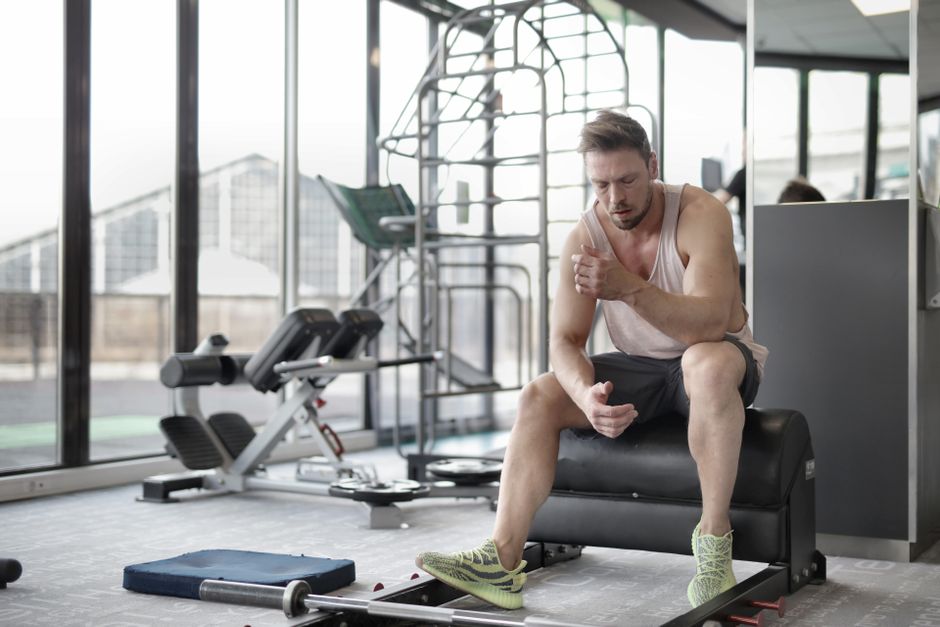
Muscle soreness after a workout is a normal response to physical stress, not a sign that you did something wrong. The most effective way to reduce it is to keep moving with light activity, apply heat, and give your muscles time to recover. There is no quick fix that eliminates soreness completely, but the right combination of strategies can make it noticeably more manageable.
What Causes Muscle Soreness After a Workout?
Delayed onset muscle soreness, often called DOMS, typically peaks 24 to 72 hours after exercise. It happens when muscle fibers experience microscopic tears during unfamiliar or intense activity. This is not an injury. It is a normal part of the muscle adaptation process.
Eccentric movements cause the most soreness. These are movements where the muscle lengthens while under tension, like the lowering phase of a squat or the downward motion of a bicep curl. New exercises, longer durations, or heavier weights than your body is used to can also trigger it.
The soreness itself comes from the inflammatory response that follows those micro-tears. Your body sends fluid and immune cells to the area to begin repair. That process creates the tenderness and stiffness you feel. The discomfort usually fades as your muscles rebuild and grow stronger.
Does Stretching Actually Help Sore Muscles?
Static stretching before or after a workout has not been shown to prevent or cure muscle soreness. Research on this topic is consistent: stretching does not reduce DOMS in any meaningful way. It can improve flexibility and feel good, but it should not be your primary strategy for managing soreness.
Light movement is more effective than stretching. Going for a walk, riding a bike at an easy pace, or doing gentle yoga increases blood flow to the affected muscles. This improved circulation helps deliver nutrients and remove waste products from the area. The key is keeping the intensity low. You are moving to promote recovery, not to add more training stress.
How Do You Get Rid Of Soreness After A Workout With Heat or Cold?
Heat is the stronger option for muscle soreness that has already developed. A warm bath, heating pad, or warm compress applied to sore muscles can relax tight tissue and increase blood flow. This helps ease the stiffness and discomfort associated with DOMS.
Cold therapy, such as an ice bath or cold pack, is more useful immediately after a hard workout. It constricts blood vessels and can reduce acute inflammation. However, the evidence that ice baths speed up recovery from soreness is mixed. Some studies suggest they may actually blunt some of the muscle-building response to training. If you use cold therapy, apply it within a few hours of exercise and limit sessions to 10 to 15 minutes.
Contrast therapy, alternating between heat and cold, is another option some athletes use. There is limited research on whether it works better than heat or cold alone. If you find it helps you feel better, it is reasonable to use it. Just know the evidence is not strong enough to call it a proven method.



What Role Does Massage Play in Relieving Soreness?
Massage is one of the better-supported methods for reducing muscle soreness. Research has shown that massage performed after exercise can reduce DOMS and improve perceived recovery. The effect is modest but real. A massage 24 to 48 hours after a hard workout appears to be the most beneficial window.
You do not need a professional therapist to get some benefit. Self-massage with a foam roller or massage gun can help. Foam rolling is particularly popular and has been studied for its effects on soreness. It works by applying pressure to the muscle tissue, which may help reduce tension and improve blood flow.
One caution: if your muscles are extremely sore, avoid aggressive deep-tissue work. That can increase inflammation and make things worse. Use moderate pressure and stop if you feel sharp pain rather than a dull ache.
Can Anti-Inflammatory Medications Help?
Over-the-counter nonsteroidal anti-inflammatory drugs, such as ibuprofen, can reduce the pain associated with muscle soreness. They work by lowering the inflammatory response that causes discomfort. They do not speed up muscle repair or recovery.
There is a trade-off to consider. The inflammation after a workout is part of the adaptation process. Blunting it with medication may reduce the muscle-building response to your training. Some research suggests this effect is real, though the clinical significance is debated.
Using ibuprofen occasionally for severe soreness is reasonable for most healthy adults. Using it regularly after every workout is not recommended. Follow the dosing instructions on the label and talk to your doctor if you have any health conditions that might make NSAIDs unsafe for you.
Does Nutrition Affect How Sore You Get?
What you eat around your workout can influence recovery. Protein is important for muscle repair. Consuming protein after exercise provides the building blocks your body needs to rebuild damaged muscle fibers. Aim for a meal or snack containing protein within a few hours after your workout.
Carbohydrates matter too. They replenish glycogen stores that your muscles used during exercise. Combined with protein, they support better recovery overall. This is well-established sports nutrition guidance.
Hydration is often overlooked. Even mild dehydration can worsen perceived soreness and fatigue. Drink water before, during, and after exercise. If you sweated heavily, replacing fluids with water is usually sufficient. Sports drinks are not necessary unless your workout lasted longer than an hour or was extremely intense.
Tart cherry juice has been studied for its potential to reduce muscle soreness. Some research suggests it may help, possibly due to its antioxidant content. The evidence is promising but not definitive. If you enjoy it, it is a reasonable addition to your routine. It is not a proven cure.
How Long Does Soreness Last and When Should You Worry?
Normal muscle soreness typically peaks around 48 hours after exercise and subsides within 72 hours. Some residual stiffness may last up to five days, especially after very intense or unfamiliar workouts. The discomfort should gradually improve each day.
You should be concerned if the pain gets worse instead of better, if it is sharp rather than dull, or if it is limited to one specific spot. These signs may indicate a muscle strain or injury rather than normal soreness. Seek medical attention if you notice severe swelling, dark urine, or significant weakness in the affected muscle. These can be signs of a more serious condition called rhabdomyolysis, which requires prompt treatment.
A useful guideline: if soreness prevents you from performing daily activities or if it does not improve after several days, check with a healthcare professional. It is better to get a proper evaluation than to push through a potential injury.
Can You Prevent Soreness Before It Starts?
You cannot completely prevent muscle soreness, but you can reduce how severe it gets. The most effective strategy is progressive overload. This means gradually increasing the intensity, duration, or volume of your workouts over time. Sudden large jumps in training load are the biggest predictor of severe DOMS.
Warming up before exercise is more beneficial for performance than for soreness prevention. A light warm-up that gets blood flowing to the muscles you are about to train may help. The evidence that it prevents soreness is limited, but it has other clear benefits like reducing injury risk.
Cooling down with light activity after your workout is a reasonable practice. It does not have strong evidence for reducing soreness, but it feels good and does not cause harm. If you enjoy it, keep doing it. Just do not expect it to eliminate next-day discomfort.
What Is the Best Overall Approach to Sore Muscles?
The best approach combines several strategies rather than relying on a single remedy. Use light movement and heat to manage discomfort. Get adequate protein and hydration to support recovery. Sleep is also critical. Your body does most of its repair work while you rest, so prioritizing quality sleep is one of the most effective recovery tools you have.
Accept that some soreness is part of the process. If you are training effectively, you will experience some muscle discomfort from time to time. The goal is not to eliminate it completely. The goal is to manage it well enough that it does not interfere with your daily life or your next workout.
If soreness becomes a constant problem, reassess your training program. Persistent severe soreness often means you are doing too much too quickly. Dialing back the intensity and building up more gradually will serve you better in the long run.
Frequently Asked Questions
Should I work out again if I am still sore?
Light activity can help relieve soreness, but avoid intense training of the same muscles until the soreness subsides. Working through severe soreness increases your risk of injury and can delay recovery.
Does taking a warm bath help sore muscles?
Yes, a warm bath can help relax tight muscles and increase blood flow to the area. This can provide noticeable relief from the stiffness and discomfort of muscle soreness.
How long does muscle soreness usually last?
Muscle soreness typically peaks about 48 hours after exercise and resolves within 72 hours. If soreness lasts longer than five days or gets progressively worse, consult a healthcare professional.
Is it better to use ice or heat for sore muscles?
Heat is generally better for soreness that has already developed because it promotes blood flow and relaxation. Cold therapy is more useful immediately after exercise to reduce acute inflammation.
