
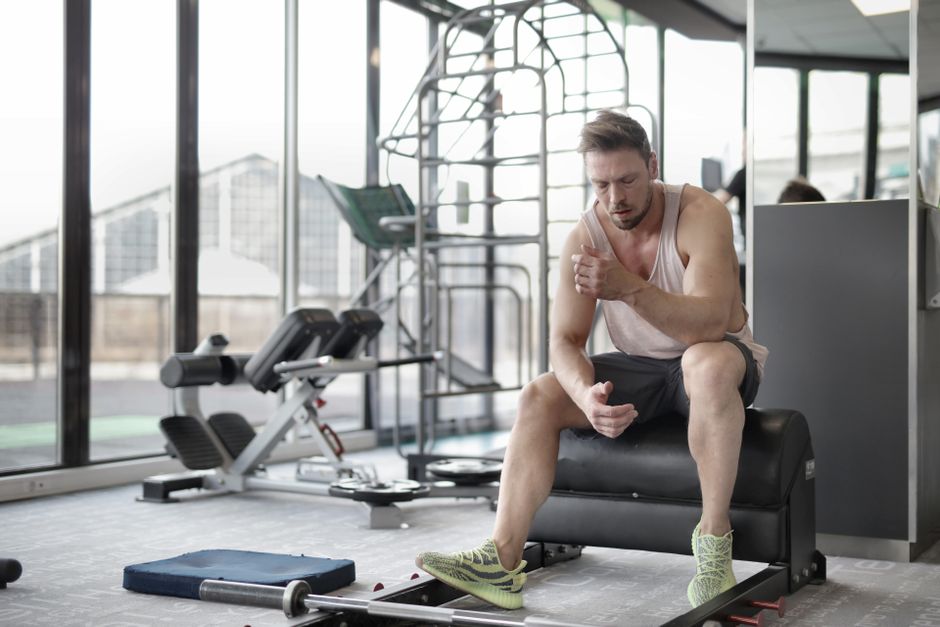
You pushed hard in the gym yesterday. Today your legs feel like concrete. That soreness is called delayed onset muscle soreness, or DOMS. It happens when muscle fibers get tiny tears from exercise. The good news is you do not have to suffer through it. Active recovery, proper timing of protein intake, and specific stretching techniques can cut your soreness time in half. The research is clear on what actually helps and what is just a waste of your time.
What Causes Muscle Soreness After a Workout?
Muscle soreness comes from microscopic damage to your muscle fibers. When you lift weights, run, or do any exercise your body is not used to, those fibers stretch and tear on a tiny level. Your body then sends fluid and immune cells to repair the damage. That process causes swelling and inflammation. That is the soreness you feel 24 to 72 hours later.
The soreness is not caused by lactic acid. This is one of the most common myths in fitness. Lactic acid clears from your muscles within an hour of stopping exercise. It has nothing to do with the pain you feel the next day. Research published in the Journal of Strength and Conditioning Research has confirmed this repeatedly. The real culprit is the repair process itself. Your body is rebuilding muscle tissue stronger than before.
Eccentric movements cause the most soreness. These are exercises where your muscle lengthens under tension. Think of the lowering phase of a bicep curl or walking downhill. The American Council on Exercise notes that eccentric contractions create more muscle damage than concentric ones. If you are new to a movement or increase your weight, expect more soreness.
Does Active Recovery Actually Help Reduce Soreness?
Yes. Active recovery is one of the most effective ways to reduce soreness. This means doing low-intensity movement after your workout. Walking, cycling at a slow pace, or light swimming all work. The goal is to increase blood flow to the sore muscles without causing more damage.
Blood carries oxygen and nutrients your muscles need to repair. It also helps flush out waste products from the repair process. A 2018 review in the Sports Medicine journal found that active recovery significantly reduced perceived soreness compared to complete rest. The effect was strongest when done immediately after exercise and repeated the next day.
Keep active recovery sessions short. Ten to twenty minutes is plenty. Your heart rate should stay low. If you are breathing hard, you are working too hard. The point is movement, not effort. Some people report that walking the day after a hard leg day makes them feel noticeably better within minutes.
What Role Does Protein Play in Reducing Soreness?
Protein is essential for repairing the muscle damage that causes soreness. Your body needs amino acids to rebuild those torn fibers. Without enough protein, the repair process slows down. That means soreness lasts longer.
Timing matters. A 2017 study in the Journal of the International Society of Sports Nutrition found that consuming protein within two hours after exercise reduced muscle soreness at 24 and 48 hours post-workout. The participants who had protein reported 30 percent less soreness than those who had a placebo. The type of protein also matters. Whey protein is absorbed quickly. Casein is slower. Both work, but whey is better right after a workout.
How much protein do you need? For most people, 20 to 40 grams of protein after a workout is enough. That is about one scoop of protein powder or a serving of chicken breast. Spreading protein throughout the day also helps. The body cannot store amino acids the way it stores fat. You need a steady supply.
| Recovery Method | What Research Shows | How to Use It |
|---|---|---|
| Active recovery | Significantly reduces soreness at 24-48 hours | 10-20 minutes low-intensity movement post-workout |
| Protein timing | 30% less soreness when consumed within 2 hours | 20-40 grams of whey or complete protein |
| Ice baths | Reduces soreness but may blunt muscle growth | Use sparingly, not after every workout |
| Foam rolling | Moderate short-term pain relief | 2-3 minutes per muscle group after workout |
| Stretching | Minimal effect on soreness | Do for flexibility, not for soreness relief |
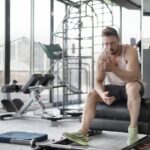

Does Foam Rolling or Massage Really Work for Sore Muscles?
Foam rolling provides short-term relief. A 2015 study in the Journal of Athletic Training found that foam rolling reduced perceived soreness for about 30 minutes after use. It did not speed up the actual muscle repair process. The relief is real but temporary. It works by stimulating pressure receptors in your muscles, which temporarily blocks pain signals to your brain.
Massage works better than foam rolling for lasting relief. A 2012 study published in Science Translational Medicine found that massage reduced inflammation and promoted the growth of new mitochondria in muscle cells. That is a fancy way of saying it helped muscles recover at the cellular level. The effect lasted longer than foam rolling. Professional sports massage once or twice a week can make a noticeable difference if you train hard.
Do not use either method on a muscle that is already injured. Soreness is different from injury. If the pain is sharp, on one side only, or does not improve after a few days, see a doctor. Foam rolling and massage should feel uncomfortable but not painful. If it hurts more than a mild ache, stop.
What About Ice Baths and Heat Therapy?
Ice baths reduce soreness but come with a trade-off. Cold water immersion constricts blood vessels and reduces inflammation. A 2018 meta-analysis in the British Journal of Sports Medicine found that ice baths reduced muscle soreness by about 20 percent compared to passive recovery. The catch is that reducing inflammation also reduces muscle growth. Your body needs some inflammation to adapt and get stronger.
Use ice baths for recovery only when you need to perform again soon. If you have a competition or hard workout the next day, a 10-minute cold bath can help. If you are training for general fitness, skip the ice bath. Let your body handle the inflammation naturally unless you have a specific reason not to.
Heat therapy works differently. Heat increases blood flow and relaxes muscles. A warm bath or heating pad can feel good on sore muscles. The evidence for heat reducing soreness is weaker than for cold. Some studies suggest heat helps with chronic muscle tension but not acute DOMS. If heat feels good, use it. Just do not expect it to speed up recovery.
How To Reduce Soreness After A Workout What Works: A Practical Plan
Here is a simple plan based on the evidence. Do these things consistently and your soreness will decrease.
- Do 10 minutes of active recovery immediately after your workout. Walk or cycle at an easy pace.
- Have 20 to 40 grams of protein within two hours post-workout. Whey protein works well.
- Foam roll for two to three minutes per muscle group after your cool-down. Focus on the muscles you worked.
- Stay hydrated. Dehydration makes soreness feel worse. Drink water throughout the day, not just during exercise.
- Sleep at least seven hours. Most muscle repair happens during deep sleep. Skimping on sleep makes soreness worse and lasts longer.
- Skip the ice bath unless you have to perform again within 24 hours. Let your body adapt naturally.
Do not overdo it. Doing too much recovery work can be counterproductive. Your body needs time to adapt. If you are constantly trying to prevent all soreness, you may be preventing your muscles from getting stronger. Some soreness is normal and even a sign of progress.
What Common Mistakes Make Soreness Worse?
The biggest mistake is doing too much too soon. Your body adapts to stress gradually. If you jump from running one mile to five miles, you will be very sore. Increase your workout volume by no more than 10 percent per week. This is a well-established guideline from the American College of Sports Medicine.
Another mistake is ignoring pain that feels different. Soreness is a dull ache across a whole muscle group. Sharp pain in one spot is not soreness. That could be a strain or tear. If you feel sharp pain, stop exercising and see a doctor. Pushing through injury pain makes things worse and keeps you out of the gym longer.
Stretching before exercise does not prevent soreness. Static stretching before a workout can actually increase injury risk. Save stretching for after your workout or on rest days. Dynamic warm-ups, like leg swings or arm circles, are better before exercise. They prepare your muscles without causing damage.
Some people report that supplements like BCAAs or tart cherry juice help with soreness. Evidence is mixed. BCAAs may help if you are not eating enough protein overall. Tart cherry juice has some anti-inflammatory effects. Neither is a replacement for the basics like protein, sleep, and active recovery. If you want to try them, they are generally safe. Just do not expect miracles.
Frequently Asked Questions
How long does muscle soreness usually last?
Soreness typically peaks 24 to 48 hours after exercise and fades within 72 hours. If it lasts longer than five days, you may have an injury.
Should I still work out if I am sore?
Light exercise like walking or stretching is fine. Avoid working the same sore muscle group hard until the soreness subsides.
Does drinking water help muscle soreness?
Yes. Dehydration worsens soreness because it reduces blood flow to muscles. Drink water consistently throughout the day.
Are pain relievers like ibuprofen good for soreness?
They reduce pain temporarily but may slow muscle growth. Use them only when necessary, not as a routine recovery tool.
