
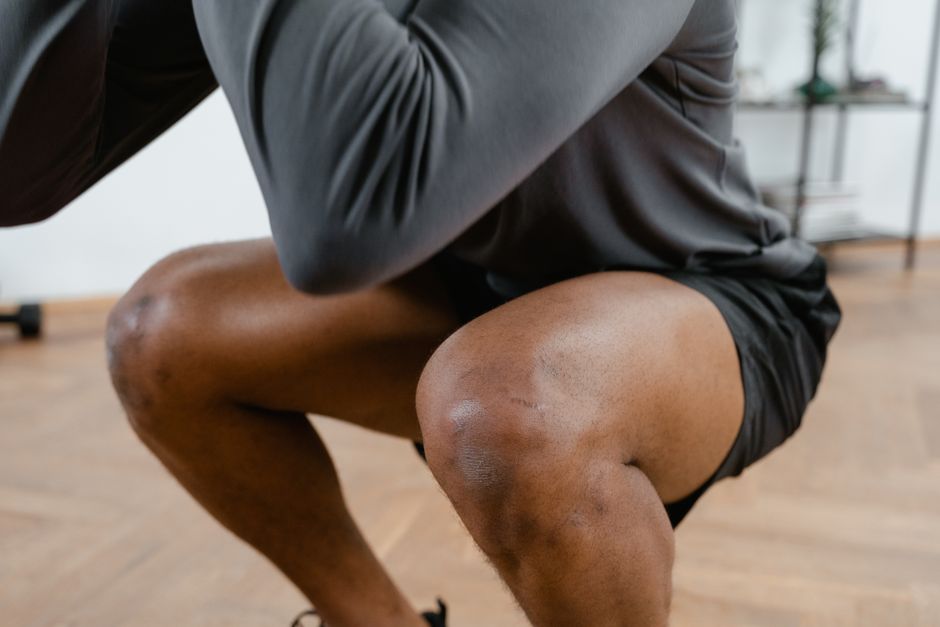
Muscle soreness after a workout is common, especially when you try something new or push harder than usual. The good news is you can reduce it. The most effective methods are moving gently (active recovery), drinking enough water, eating protein within a few hours, and getting quality sleep. Applying ice or heat can also help, but the timing matters. This article explains what works, what the research says, and what is mostly hype.
What Causes Muscle Soreness After Exercise?
Muscle soreness that shows up 12 to 24 hours after a workout is called delayed onset muscle soreness, or DOMS. It peaks around 24 to 72 hours after exercise. It is not caused by lactic acid, which clears within an hour of stopping exercise.
DOMS happens because of microscopic tears in muscle fibers. When you do eccentric movements — where the muscle lengthens under tension, like lowering a weight slowly — those small tears trigger inflammation. Your body sends fluid and immune cells to repair the damage. That inflammation is what you feel as soreness and stiffness.
Some soreness is normal. But if the pain is sharp, limits your range of motion severely, or lasts more than a week, that is not normal DOMS. That could be an injury, and you should see a doctor.
How To Decrease Muscle Soreness After A Workout?
The single most effective strategy is active recovery. This means doing light movement on your rest days. Walking, cycling at low effort, swimming, or gentle yoga all work. The goal is to increase blood flow to the muscles without causing more damage. Blood carries oxygen and nutrients needed for repair and removes waste products.
Research consistently shows that active recovery reduces soreness more than complete rest. One common approach is to do 10 to 15 minutes of light activity immediately after your workout and again the next day. The movement should feel easy. If your soreness gets worse during the activity, you are pushing too hard.
Stretching is less effective than people think. Studies have found that static stretching before or after exercise does not meaningfully reduce DOMS. Gentle dynamic stretching — moving through a range of motion without holding — may help slightly, but it is not a primary strategy.
Does Ice Or Heat Work Better For Sore Muscles?
This depends on when you use them. Immediately after a workout, ice can reduce inflammation and numb pain. Some studies suggest that cold water immersion, like an ice bath, can reduce soreness by about 20 percent in the following 24 hours. But the evidence is mixed, and the effect is small.
Heat works better for muscle soreness that has already set in. Applying heat increases blood flow, relaxes tight muscles, and can reduce stiffness. A warm bath or a heating pad for 15 to 20 minutes is a reasonable choice for soreness that peaks 24 to 48 hours after exercise.
Contrast therapy — alternating hot and cold — is widely claimed to help, though strong evidence is limited. Some people report it feels good, and that may be reason enough to try it. But do not expect dramatic results.

What Should You Eat To Reduce Muscle Soreness?
Protein is the most important nutrient for muscle repair. Eating 20 to 40 grams of protein within two hours after your workout can speed recovery. Good sources are chicken, fish, eggs, Greek yogurt, or a protein shake. The amino acids in protein provide the building blocks your muscles need to fix the microscopic tears.
Carbohydrates also matter. They replenish glycogen stores that your muscles used during exercise. A meal with both protein and carbs — like a turkey sandwich on whole wheat bread — works better than protein alone.
Some studies suggest that tart cherry juice can reduce soreness. The theory is that the antioxidants in cherries lower inflammation. The evidence is promising but not definitive. A small glass of tart cherry juice after a workout may help, but it is not a substitute for protein and carbs.
Drinking enough water is just as important. Dehydration makes soreness feel worse. If your urine is dark yellow after a workout, you need more fluids. Water is fine. Sports drinks are only necessary if you exercised intensely for more than an hour in heat.
Do Supplements Like BCAAs Or Magnesium Help?
Branched-chain amino acids, or BCAAs, are widely marketed for muscle recovery. The evidence is mixed. Some studies show that taking BCAAs before or after exercise can reduce soreness slightly. Other studies show no benefit over getting protein from food. Since BCAAs are just part of the protein you already eat, spending extra money on them is not necessary if your diet has enough protein.
Magnesium is often claimed to reduce muscle cramps and soreness. This is widely claimed, though strong evidence is limited. Magnesium deficiency can cause muscle cramps, but most people get enough from food. Nuts, seeds, beans, and leafy greens are good sources. Taking extra magnesium beyond what you need does not reduce soreness more.
Be skeptical of any supplement that promises to eliminate soreness. The supplement industry is not tightly regulated. Claims on bottles often outpace the research. If something sounds too good to be true, it probably is.
How Does Sleep Affect Muscle Soreness?
Sleep is when your body does most of its repair work. Growth hormone, which helps rebuild muscle tissue, is released during deep sleep. If you do not get enough sleep, your muscles take longer to recover, and soreness lasts longer.
Most adults need 7 to 9 hours of sleep per night. After a hard workout, your body may need even more. If you wake up feeling more sore than when you went to bed, your sleep quality or duration may be the problem. Prioritizing sleep is one of the cheapest and most effective recovery strategies available.
Should You Use Foam Rolling Or Massage?
Foam rolling can temporarily reduce soreness and improve range of motion. The effect is short-lived — usually less than 30 minutes — but that can be enough to make your warm-up or cool-down feel better. Foam rolling works by applying pressure to trigger points and increasing blood flow to the area. It is not a cure, but it can help you feel less stiff.
Professional massage has better evidence for reducing DOMS. A 2017 review of studies found that massage reduced soreness by about 30 percent compared to no treatment. The effect was strongest when massage was done within two hours after exercise. But massage is expensive and not always practical after every workout.
If you foam roll, do it gently. Pressing too hard on a sore muscle can cause more damage. Spend 30 to 60 seconds on each muscle group. If the pain is sharp, stop.
Can You Prevent Muscle Soreness Entirely?
No. Some soreness is a normal part of getting stronger. If you never feel sore, you are probably not challenging your muscles enough to see progress. The goal is not to eliminate soreness but to manage it so it does not interfere with your daily life.
The best way to reduce soreness over time is to gradually increase your workout intensity. This is called progressive overload. If you add weight or reps too quickly, you will get more sore. If you increase slowly — by about 10 percent per week — your muscles adapt and soreness is less severe.
Warming up properly also helps. Five to ten minutes of light cardio and dynamic movements prepare your muscles for the work ahead. A good warm-up reduces the amount of muscle damage during exercise, which means less soreness afterward.
Frequently Asked Questions
How long does muscle soreness last after a workout?
Muscle soreness typically peaks 24 to 72 hours after exercise and resolves within 5 to 7 days. If soreness lasts longer than a week or is sharp rather than dull, it may be an injury.
Is it okay to work out when muscles are sore?
Yes, as long as the soreness is mild and you work different muscle groups. Avoid training the same sore muscles intensely until they recover.
Does ibuprofen help with muscle soreness?
Ibuprofen can reduce pain temporarily but may slow down muscle repair. Occasional use is fine, but relying on it after every workout is not recommended.
What is the fastest way to relieve sore muscles?
Active recovery — light movement like walking or cycling — is the fastest evidence-based method. It increases blood flow without causing more damage.
