
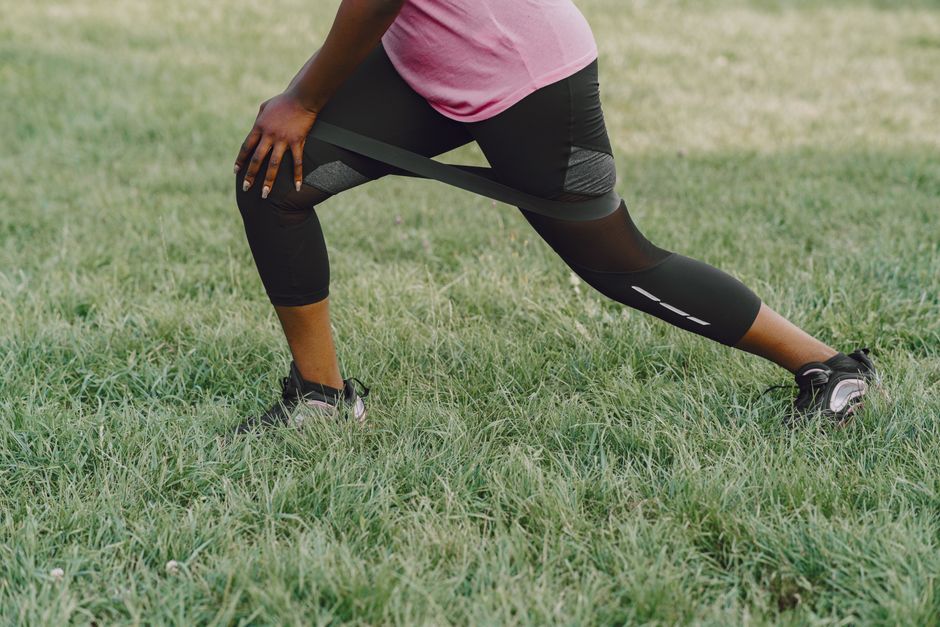
Feeling sore in your legs after a workout is normal. But there are proven ways to reduce the discomfort and speed up recovery. Start with light movement rather than complete rest, apply ice in the first 24 hours, and eat enough protein to help muscles repair.
What causes leg soreness after exercise?
The medical term for this soreness is delayed onset muscle soreness, or DOMS. It usually shows up 12 to 24 hours after exercise and peaks between 24 and 72 hours.
The cause is microscopic damage to your muscle fibers. When you push your legs harder than they are used to, tiny tears form in the muscle tissue. Your body then starts an inflammatory repair process. This creates the ache and stiffness you feel.
Lactic acid is not the cause. That is a common myth. Lactic acid clears from your muscles within an hour after exercise. It cannot explain soreness that appears the next day.
How To Stop Soreness In Legs After A Workout?
The most effective approach combines several strategies. No single method works for everyone, but these are backed by the best available evidence.
Active recovery. Gentle movement keeps blood flowing to your leg muscles. Going for a walk, a light bike ride, or swimming at an easy pace for 15 to 20 minutes can reduce stiffness. Complete rest often makes soreness last longer.
Ice and heat. Apply an ice pack to the sorest spots for 15 to 20 minutes at a time during the first 24 hours. After that, a warm bath or heating pad can help relax tight muscles. Some studies show that alternating cold and warm water increases blood circulation.
Hydration and nutrition. Dehydrated muscles recover more slowly. Drink water throughout the day. Eating protein within two hours after your workout gives your body the amino acids needed to repair damaged tissue. A protein shake, chicken, eggs, or Greek yogurt all work well.
Massage. A professional sports massage may reduce DOMS by about 30 percent, according to some studies. However, the effect is usually temporary. Self-massage with a foam roller can also provide short-term relief, but large trials have not proven it speeds overall recovery.
Sleep. Your body does most of its muscle repair while you sleep. Aim for seven to nine hours per night. Poor sleep is linked to longer recovery times.
No single treatment will make soreness disappear completely. But using several of these methods together will shorten how long you feel stiff and achey.
Does stretching help leg soreness?
Static stretching – holding a stretch for 15 to 60 seconds – before exercise does not prevent DOMS. Research consistently shows it makes no difference in soreness levels the next day. Stretching after exercise also has little to no effect on recovery.
What may help is a warm-up that involves active movement. Leg swings, walking lunges, and high knees increase blood flow to your muscles before a workout. This might reduce the intensity of soreness, though it will not prevent it entirely.
If stretching feels good to you, there is no harm in doing it. Just do not rely on it as a primary recovery tool.

Can you prevent leg soreness completely?
No. Some degree of soreness is likely whenever you increase the intensity, duration, or frequency of your leg workouts. That is a sign your muscles are adapting and getting stronger.
However, you can reduce how bad it gets. The most important prevention strategy is gradual progression. Do not jump from a light workout to a very hard one. Increase your training load by no more than 10 percent per week.
Stay well hydrated before, during, and after exercise. Eat a balanced diet with enough protein and carbohydrates. A proper warm-up – five to ten minutes of light cardio followed by dynamic stretches – may also help.
Even with perfect preparation, you will still feel sore sometimes. That is normal and not a sign of injury.
When should you worry about leg soreness?
DOMS is uncomfortable but harmless. You should see a doctor if the pain is sharp and sudden, if you cannot put weight on your leg, or if you have significant swelling or bruising.
Another concern is rhabdomyolysis, a rare but serious condition where muscle tissue breaks down rapidly. Signs include dark brown or cola-colored urine, severe weakness, and swelling that does not improve. If you notice these symptoms, seek medical attention immediately.
Also, if your leg soreness lasts longer than seven days or gets worse instead of better, it may be more than normal DOMS. A healthcare provider can check for a muscle strain or other injury.
What about over-the-counter pain relievers?
Anti-inflammatory drugs like ibuprofen or naproxen can reduce soreness temporarily. Some athletes use them after hard workouts. However, taking these regularly may interfere with your body’s natural muscle repair process.
Research suggests that using them occasionally for acute discomfort is fine, but do not make it a habit. For typical DOMS, non-drug methods like ice, gentle movement, and sleep are safer and equally effective for most people.
Always follow the dosing instructions on the bottle. Do not exceed the recommended daily limit, and do not take them on an empty stomach to avoid stomach irritation.
Frequently Asked Questions
Should I skip my next workout if my legs are sore?
No, but you should adjust the intensity. Doing a light recovery workout – such as walking, swimming, or gentle cycling – can actually reduce soreness faster than taking a full rest day.
Is ice or heat better for leg soreness after a workout?
Ice is most helpful in the first 24 hours, especially for swelling. After that, heat can relax tight muscles. Neither will completely stop soreness, but both can provide temporary relief.
How long does normal leg soreness last?
DOMS typically peaks between 24 and 72 hours after exercise and then gradually fades. Most people feel back to normal within three to five days.
