
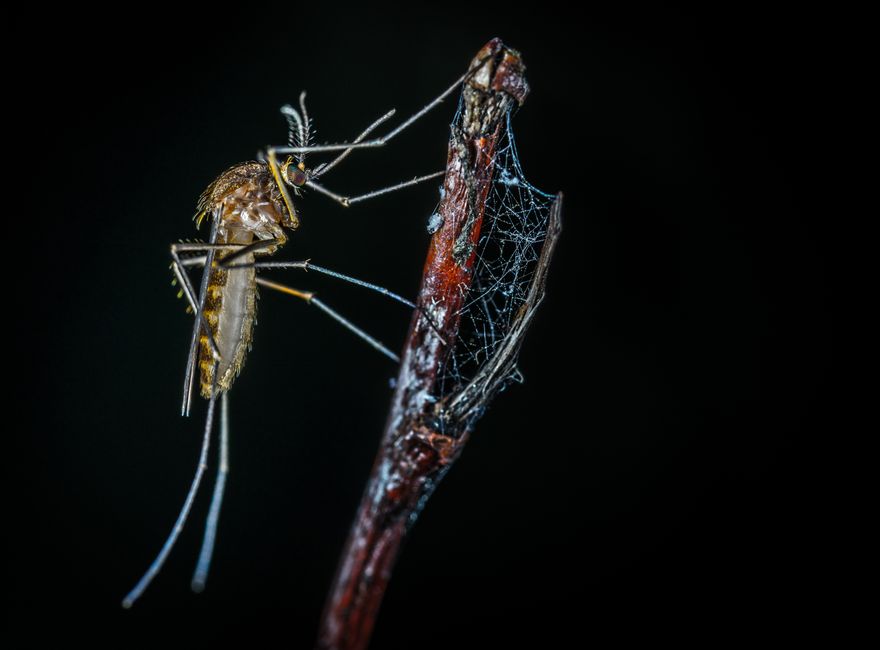
Mosquito bites are annoying, itchy, and sometimes painful. The good news is that most bites can be treated quickly and safely at home. Here is the simple step-by-step process: wash the area with soap and water, apply a cold compress for 10 minutes, and then use an over-the-counter anti-itch cream containing calamine or hydrocortisone. Avoid scratching, and if the itch persists, an oral antihistamine can help. This routine relieves symptoms effectively for most people.
Why Do Mosquito Bites Itch So Much?
When a mosquito bites, it injects saliva into your skin. Your immune system sees this saliva as a foreign substance. It responds by releasing histamine, a chemical that causes blood vessels to expand and fluid to leak into the surrounding tissue.
This reaction creates the red, swollen bump and the intense itching. The itch is your body fighting off the mosquito’s saliva. The reaction is not caused by the bite itself, but by your own immune response.
Most people feel the worst itching within the first 24 hours. The symptoms usually fade over a few days. Some people have stronger reactions than others, especially young children who have not been bitten as often.
How To Relieve Mosquito Bites: Step by Step Instructions
Follow these steps in order for the fastest relief. Start with cleaning, then cooling, then treating the itch.
- Step 1: Wash the area. Use mild soap and lukewarm water. This removes dirt and bacteria from the skin surface and lowers the risk of infection.
- Step 2: Apply a cold compress. Wrap an ice pack or a bag of frozen vegetables in a clean cloth. Hold it on the bite for 10 minutes. The cold numbs the nerve endings and reduces swelling.
- Step 3: Apply an anti-itch cream. Use a product with calamine lotion or hydrocortisone cream. Calamine cools the skin and dries oozing. Hydrocortisone reduces inflammation directly.
- Step 4: Take an oral antihistamine if needed. If the itch is widespread or keeps you awake, an oral antihistamine like cetirizine or loratadine can block the histamine reaction from the inside.
- Step 5: Leave the bite alone. Cover it with a bandage if you scratch at night. Scratching breaks the skin and can introduce bacteria, leading to infection.
Reapply the cold compress and cream as needed throughout the day. Most bites improve within 48 hours.
What Works Best for the Itch?
Research consistently shows that cold therapy provides immediate but temporary relief. It works by slowing nerve signals in the skin. The effect lasts about 20 to 30 minutes after you remove the cold source.
Hydrocortisone cream is one of the most effective topical treatments. It is a mild steroid that suppresses the immune response in the skin. A 1% over-the-counter strength is safe for adults and children over two years old. Use it no more than twice daily and only for a few days.
Calamine lotion is a gentler option. It does not reduce inflammation as strongly as hydrocortisone, but it cools and soothes the skin. It is a good first choice for children or for large areas with many bites.
Oral antihistamines are the most effective option for severe itching across multiple bites. They work throughout the body, not just at the bite site. First-generation antihistamines like diphenhydramine cause drowsiness. Second-generation ones like cetirizine and loratadine are less sedating.
Some people use essential oils or herbal balms. The evidence for these is limited. No large clinical trials have confirmed that tea tree oil, lavender, or witch hazel relieves mosquito bite itching better than a cold compress or calamine lotion.




What Not To Do
Do not scratch. Scratching provides a few seconds of relief, but it triggers more histamine release, which makes the itching worse. It also breaks the skin, creating an entry point for bacteria.
Do not use heat on a fresh bite. Heat can increase blood flow to the area and make swelling and itching worse. Some devices use localized heat to break down the proteins in mosquito saliva, but clinical evidence for this approach is mixed and results vary.
Do not apply undiluted essential oils directly to the skin. They can cause contact dermatitis, which looks and feels like a worse allergic reaction than the bite itself.
Avoid home remedies like toothpaste, baking soda paste, or vinegar unless you know your skin tolerates them. These may provide a cooling sensation, but they do not reduce inflammation. Baking soda can dry the skin and make itching worse over time.
When Should You See a Doctor?
Most mosquito bites do not require medical attention. But some situations warrant a call to your doctor.
Seek medical care if you notice signs of infection. These include increasing redness that spreads beyond the bite, warmth, pus, or red streaks moving away from the bite. Fever is another warning sign.
A severe allergic reaction to mosquito bites is rare but possible. Symptoms include hives far from the bite site, swelling of the lips or throat, difficulty breathing, or dizziness. This is a medical emergency. Call emergency services immediately.
Some people develop a condition called skeeter syndrome. This is a large, painful, swollen reaction to mosquito bites. It involves significant swelling and sometimes blistering. It is more common in children and people with immune sensitivity. If the swelling is severe or lasts more than a few days, see a doctor.
How To Prevent Mosquito Bites in the First Place
Prevention is more effective than treatment. The CDC recommends using an EPA-registered insect repellent. Products containing DEET, picaridin, or oil of lemon eucalyptus provide the most reliable protection.
Apply repellent to exposed skin, not under clothing. Reapply according to the product label. DEET concentrations of 20% to 30% provide several hours of protection. Higher concentrations last longer but are not more effective.
Wear long sleeves and pants in areas with high mosquito activity, especially at dawn and dusk. Mosquitoes are most active during these times. Use permethrin-treated clothing for outdoor activities in heavily infested areas.
Remove standing water around your home. Mosquitoes lay eggs in stagnant water. Empty flower pots, bird baths, buckets, and clogged gutters weekly. This disrupts the mosquito life cycle at the source.
Use screens on windows and doors. Sleep under a mosquito net if you are in an area with high mosquito-borne disease risk. Air conditioning also reduces mosquito activity indoors.
Frequently Asked Questions
How long do mosquito bites last?
Most mosquito bites heal within 3 to 4 days. The itching usually peaks in the first 24 hours and then gradually fades.
Can I use ice directly on a mosquito bite?
No, never place ice directly on the skin. Always wrap it in a thin cloth to prevent frostbite and skin damage.
Is hydrocortisone cream safe for children?
Yes, 1% hydrocortisone cream is safe for children over two years old. Use it sparingly and only for a few days, and check with a pediatrician for children under two.
Does toothpaste stop mosquito bite itching?
There is no clinical evidence that toothpaste relieves mosquito bite itching. It may feel cool briefly, but it does not reduce the underlying inflammation causing the itch.
