
If you have large breasts and your back hurts, you are not alone. The weight pulls your shoulders forward, strains your upper back, and can trigger chronic pain. The relief often starts with better support — a well-fitted bra, targeted exercises, and posture changes. For many women, these steps reduce or eliminate the pain without surgery.
What Causes Back Pain from Large Breasts?
Large breasts create a forward pull on the upper body. To balance that weight, the shoulders roll forward and the upper back rounds. This position is called kyphosis. Over time, the muscles in the mid-back and neck work overtime to hold the head upright against the forward shift.
The pain usually lands in two places: the upper back between the shoulder blades and the base of the neck. Some women also feel pain along the shoulder grooves from bra straps digging in. The lower back can hurt too if the posture shift changes how you stand and walk.
This is not about being overweight or out of shape — though both can add to the problem. The issue is mechanical. A heavy load on the chest strains muscles not designed for that steady pull. Your body adapts in ways that lead to pain.
Does Your Bra Fit Correctly?
Most women wear the wrong bra size. A 2016 study in the journal Chiropractic & Manual Therapies estimated that 80 percent of women wear bras with an incorrect band or cup size. A poor fit means less support, more strap pressure, and more strain on the back.
To get support, the band should do most of the work — about 80 percent of the lift — not the straps. The band should be snug around your ribcage, not riding up. The cups should hold the breasts without overflow or gaping. If the straps dig into your shoulders, the band is probably too loose.
Getting fitted by a professional at a lingerie store that stocks larger cup sizes (D, DD, and beyond) can make a real difference. You can also measure yourself at home following guidelines from bra-fitting resources, but a hands-on fitting is more reliable. A correctly fitted bra alone often cuts back pain noticeably.
- Sports bras: For exercise, choose a bra that controls bounce without riding up. Encapsulation styles (each breast supported separately) tend to work better than compression-only bras for larger cup sizes.
- Underwire vs. wireless: Underwire can provide more lift if the fit is correct. Wireless bras may be more comfortable for daily wear but often offer less support for heavy breasts. Try both to see what reduces your pain.
Can Exercise Help Relieve Back Pain?
Yes — but the right exercises matter. The goal is to strengthen the muscles that pull your shoulders back and keep your upper spine straight. Stronger posture muscles can better handle the forward load.
Focus on these types of exercises:
- Rows. Any pulling motion that squeezes your shoulder blades together. Seated cable rows, dumbbell rows, or resistance band rows all work. Aim for controlled movements, not heavy weight.
- Scapular retractions. Stand or sit, squeeze your shoulder blades together for 5 seconds, release. Do 10 to 15 reps several times a day. This is one of the simplest and most effective moves for upper back pain from large breasts.
- Posture stretches. Open up the front of your chest by stretching your pectoral muscles. Stand in a doorway with your arms at 90 degrees, lean forward until you feel a gentle stretch across your chest. Hold for 20 seconds.
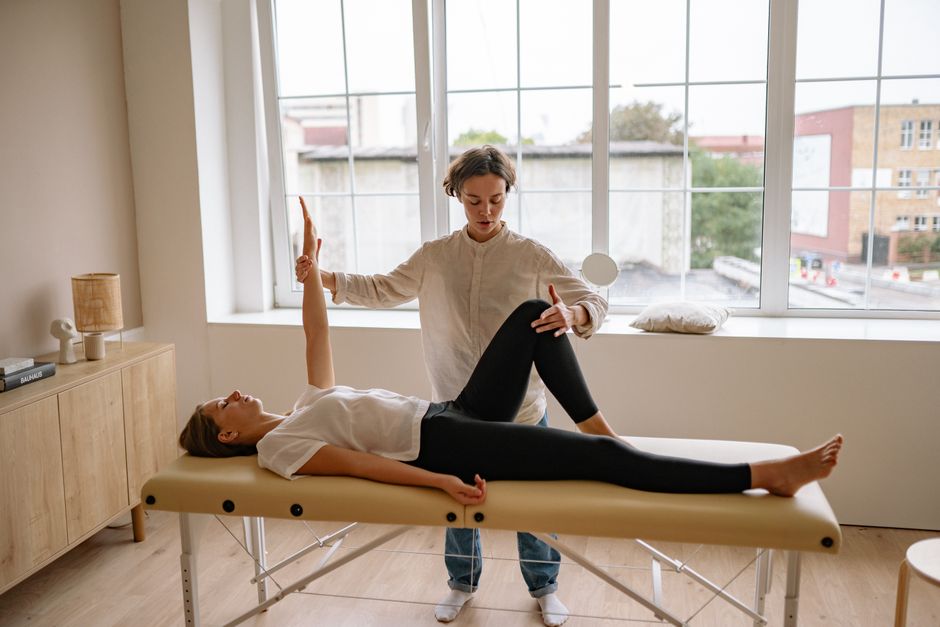
Some research suggests that a supervised physical therapy program focusing on postural muscles may be more effective than general exercise. A physical therapist can design a program tailored to your breast size and pain pattern. General advice: avoid exercises that worsen the forward pull, such as bench press with heavy weight without proper form.
Exercise alone may not eliminate pain from very large breasts, but it often reduces it enough to make daily life more comfortable.





How To Relieve Back Pain Caused By Large Breasts?
The most effective first step is improving bra support. A poorly fitting bra is the single most common correctable cause of back pain in women with larger breasts. If your bra band rides up or straps leave grooves, get refitted. Look for bras with wider straps, a sturdy band, and cups that fully contain your breast tissue.
Next, adjust how you sit and stand. Check yourself throughout the day: Are your shoulders rounded forward? Pull them back gently. Keep your ears aligned over your shoulders. At a desk, raise your screen so you don’t look down. Small corrections accumulate.
Apply heat or ice to painful areas. Heat relaxes tight muscles; ice reduces inflammation after activity. Use whichever feels better — no strong evidence favors one over the other for this type of pain.
Over-the-counter pain relievers like ibuprofen or acetaminophen can help for flare-ups. Do not rely on them daily without talking to a doctor. For persistent pain, consider a consultation with a physical therapist for a personalized posture and strengthening plan.
If these measures do not bring enough relief, there are medical options. Some doctors prescribe muscle relaxants or recommend trigger point injections — but these treat symptoms, not the mechanical cause. They are temporary.
When to Consider Medical or Surgical Options
When conservative measures fail after several months, surgery may be an option. Breast reduction surgery (reduction mammoplasty) removes excess breast tissue and reshapes the breasts to a lighter size. Research consistently shows high rates of back pain relief after this procedure. A 2019 review in Plastic and Reconstructive Surgery found that most women report significant and lasting improvement in back, neck, and shoulder pain.
Surgery is not a first-line treatment. It carries risks: scarring, infection, changes in nipple sensation, and potential difficulty breastfeeding. Not everyone is a candidate. Most surgeons require that you have tried non-surgical measures first and that your breast size is medically considered “symptomatic.”
Some women find that weight loss reduces breast size, but breast tissue is partly glandular and not all women lose breast volume with weight loss. There is no reliable way to predict who will and will not.
If you are considering surgery, discuss realistic expectations with a board-certified plastic surgeon. The decision is personal and should be based on the severity of your pain, your willingness to accept surgical risks, and the impact on your quality of life.
Other Factors That Can Make Pain Worse
Large breasts do not automatically cause back pain. Other factors play a role. Weak core muscles, poor posture during sleep, and high-heeled footwear all add strain. Sleeping on your stomach forces your neck and upper back into a twisted position. Try lying on your back with a pillow under your knees or on your side with a pillow between your knees.
Weightlifting with improper form — especially exercises like the bench press or overhead press — can increase strain on the upper back in women with large breasts. Consider working with a trainer for a few sessions to learn safer lifting mechanics.
There is no evidence that specific “detox” treatments, essential oils, or herbal supplements relieve back pain caused purely by breast weight. Marketing claims for such products are not backed by clinical trials.
Frequently Asked Questions
Will losing weight reduce back pain from large breasts?
For some women, yes, but results vary because breast tissue is partly glandular and not always affected by weight loss. If you lose weight and your breast size decreases, the mechanical load on your back may also decrease.
Are there bras that are best for back pain?
Bras with a supportive band, wide straps, and full-coverage cups are most effective. Look for bras labeled as “minimizer” or “full support” designed for larger cup sizes. A professional fitting is the best way to find your correct size.
Can physical therapy cure back pain from large breasts?
Physical therapy often reduces pain significantly by strengthening postural muscles, but it may not eliminate it completely if the breasts are very large. It works best combined with proper bra support and posture changes.
Is breast reduction surgery covered by insurance?
Many insurance plans cover reduction mammoplasty if it is medically necessary, meaning you have documented symptoms like chronic back pain and have tried non-surgical treatments. Check with your specific plan for criteria.
This article is for informational purposes only and does not constitute medical advice. Always consult a qualified healthcare provider about your specific condition.
