
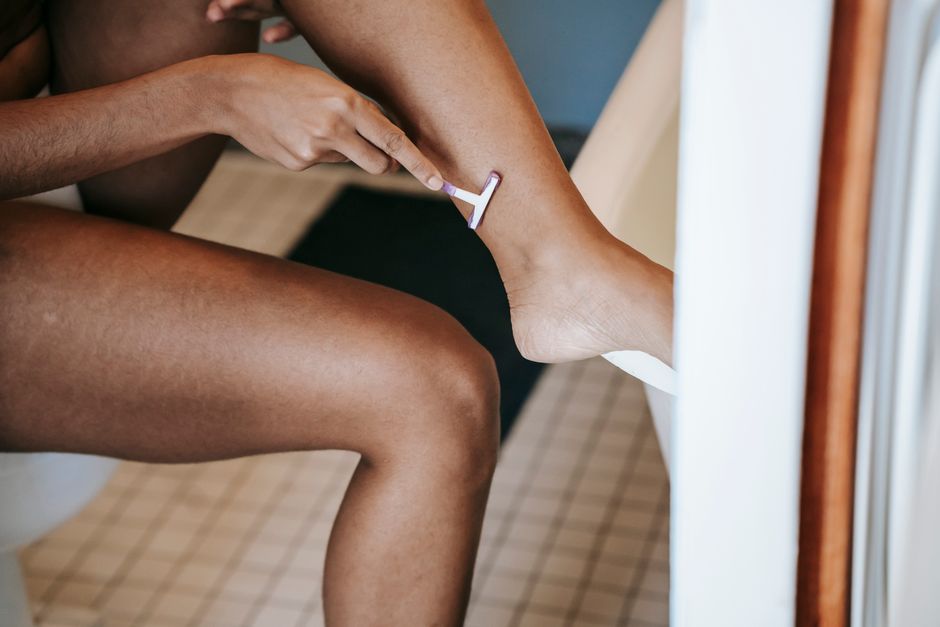
Shaving your pubic area takes care and patience, but it is a straightforward process once you know the steps. The safest method involves trimming first, preparing the skin with warm water and a gentle cleanser, using a fresh razor with light strokes in the direction of hair growth, and finishing with a mild, fragrance-free moisturizer. This guide walks through each step in order so you can reduce the risk of razor burn, ingrown hairs, and nicks.
Why Prep Work Matters More Than the Shave Itself
Most irritation from pubic shaving does not come from the blade. It comes from skipping the steps before and after the shave. The skin in that area is thinner and more sensitive than the skin on your legs or face. It also folds and moves, which makes it easier to cut.
Preparation softens the hair and opens the hair follicles slightly. This allows the razor to cut cleanly rather than tugging at the hair. Tugging causes micro-tears in the skin, which leads to razor burn and bumps. Taking five extra minutes to prep can prevent days of discomfort.
Step 1: Trim the Hair First
Do not take a razor to long pubic hair. Long hair clogs the blade quickly and forces you to press harder, which increases the chance of cuts. Use a pair of beard trimmers or body hair trimmers with a guard attachment.
Set the guard to a medium length, around 3 to 6 millimeters. Work over the area gently, following the natural direction of the hair. Pull the skin taut with your free hand so the trimmer does not snag. Trim the entire area down to a short, even stubble. This makes the actual shave faster and safer.
If you have never trimmed before, start with a longer guard. You can always go shorter, but you cannot undo a too-close trim.
Step 2: Soften the Hair in a Warm Shower
Shave at the end of your shower, not the beginning. Standing in warm water for five to ten minutes softens the hair shafts and hydrates the skin. Hair that is soft cuts easily. Hair that is dry and stiff bends and resists the blade.
If you do not have time for a full shower, hold a warm, wet washcloth over the area for three to five minutes. This is not as effective as a shower, but it helps. Do not use hot water. Hot water strips natural oils and can cause irritation.





Step 3: Clean the Skin Gently
Wash the area with a mild, unscented cleanser. Soap with strong fragrances or antibacterial agents can dry out the skin and make it more prone to razor burn. Use your hands or a soft washcloth. Do not scrub.
Rinse thoroughly. Any leftover soap or body wash on the skin can interfere with the razor’s glide and clog the blade. The skin should be clean and damp, not dripping wet.
Step 4: Use a Fresh, Sharp Razor
A dull razor is the most common cause of nicks and irritation. A dull blade pulls at the hair instead of cutting it cleanly. This causes the hair to retract below the skin surface, which often leads to ingrown hairs.
Use a razor with a new blade or a cartridge that has only been used a few times. Never use a razor that has rust spots or visible dullness. Some people prefer a single-blade safety razor for sensitive areas because it cuts with less tugging. Multi-blade razors work fine, but the more blades, the more passes over the skin in one stroke.
Never share razors. Sharing razors can spread bacterial and viral infections, including staph and herpes.
Step 5: Apply Shaving Cream or Gel
Do not shave with just water or soap. Shaving cream creates a protective layer between the blade and the skin. It also helps the razor glide smoothly over curved areas.
Choose a shaving gel or cream that is fragrance-free and designed for sensitive skin. Products with alcohol or menthol sting on contact and increase irritation. Apply a generous, even layer over the entire area you plan to shave.
Let the cream sit for one to two minutes before you start. This gives the hair more time to soften.
Step 6: Shave With Light, Short Strokes
This is the step where most mistakes happen. Shave in the direction of hair growth, not against it. Shaving against the grain gives a closer shave, but it significantly increases the risk of razor burn and ingrown hairs. For a first-time shave, always go with the grain.
Use one hand to pull the skin flat and taut. This creates a smooth surface for the blade. Take short strokes, about one to two inches long. Rinse the razor after every stroke to keep the blade clear of hair and cream.
Do not press down. The weight of the razor is enough pressure. Pressing harder does not give a closer shave. It only increases the chance of cutting yourself.
Go slowly around the base of the penis and the scrotum. The skin here is especially loose and thin. Many men choose to shave the shaft and testicles with extra care or skip these areas entirely. There is no medical requirement to shave them. It is a personal preference.
Step 7: Rinse With Cool Water
After you finish shaving, rinse the area with cool or lukewarm water. Cool water helps close the pores and soothes the skin. It also washes away any remaining shaving cream and loose hairs.
Pat the area dry with a clean towel. Do not rub. Rubbing freshly shaved skin causes friction and irritation. Patting is gentler and less likely to trigger razor burn.
Step 8: Moisturize With a Fragrance-Free Lotion
Shaving removes the top layer of dead skin cells and strips natural oils. Moisturizing replaces some of that lost hydration and calms the skin. Use a plain, unscented lotion or a gentle oil like jojoba or squalane.
Apply a thin layer over the shaved area. Do not use products with alcohol, fragrance, or harsh preservatives. These ingredients sting and can cause contact dermatitis. If you experience burning after applying a product, wash it off immediately and switch to something simpler.
Do not apply moisturizer to broken skin or open cuts. If you nicked yourself, clean the cut with mild soap and water and apply a small amount of petroleum jelly until it heals.
What to Do About Razor Burn and Ingrown Hairs
Razor burn appears as red, tender skin within a few hours of shaving. It happens when the razor irritates the top layer of skin. Mild razor burn usually clears up on its own within one to two days. Keeping the area clean and moisturized helps speed recovery.
Ingrown hairs occur when a shaved hair curls back and grows into the skin. They look like small red bumps and can become tender or infected. Some research suggests that exfoliating gently with a soft washcloth a few days after shaving can help release trapped hairs. Do not pick at ingrown hairs. Picking increases the risk of infection and scarring.
If razor burn or ingrown hairs are a recurring problem, consider switching to trimming only instead of shaving. A short trim with a guard gives a neat appearance without the skin irritation that comes from a blade.
How To Shave Guys Pubic Area Without Common Mistakes
Most problems come down to three errors: rushing, using a dull blade, and shaving against the grain. Rushing leads to cuts because the skin is not prepped and the strokes are too long. A dull blade pulls hair and causes bumps. Shaving against the grain causes the most ingrown hairs.
Another common mistake is re-shaving the same spot multiple times. Each pass with the razor removes more of the skin’s protective layer. If you miss a patch, leave it. You can touch it up the next day. Re-shaving a dry or irritated area will only make things worse.
Do not shave if you have an active skin infection, a rash, or open sores in the area. Wait until the skin heals completely. Shaving over broken skin can spread bacteria and make the infection worse.
Frequently Asked Questions
How often should I shave my pubic area?
Shave as often as you need to maintain your preferred look, usually every few days to once a week. Shaving more frequently than every other day increases the chance of irritation.
Is it safe to shave the testicles?
It is safe if done carefully with a fresh razor and light pressure, but the skin is very thin and easy to cut. Many men choose to trim this area instead of shaving it completely.
What is the best way to prevent ingrown hairs after shaving?
Shave in the direction of hair growth, use a sharp razor, and do not pull the skin tighter than necessary. Gently exfoliating a few days after shaving can also help release hairs before they become trapped.
Should I use a special razor for my pubic area?
Any clean, sharp razor works, but a razor with a pivoting head and a small cartridge is easier to maneuver around curves. Avoid razors with dull blades or rust.
