
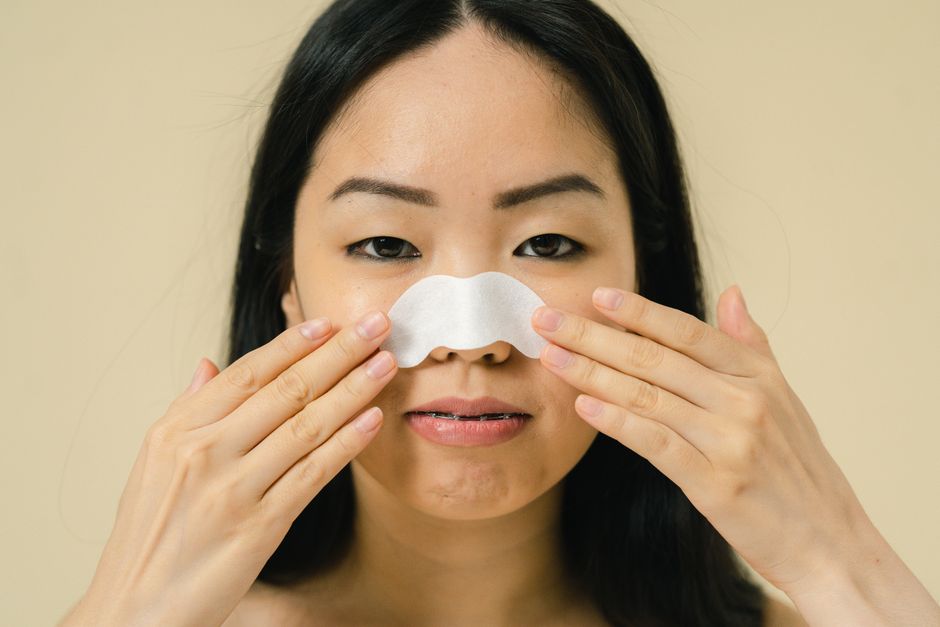
Forehead bumps are not all the same. To remove them you must first identify what type of bump you have. The cause determines the treatment. Start by looking closely at the bumps in good light. Acne bumps are red and inflamed and may have a white center. Milia are tiny white cysts under the skin. Small rough bumps that match your skin color may be keratosis pilaris. Clusters of tiny itchy bumps that appear after sweating may be fungal acne. Once you know the type you can follow the specific steps below. If you are not sure see a dermatologist. The wrong treatment can make bumps worse.
What Causes Bumps on the Forehead?
The forehead is a common area for several skin conditions. Acne vulgaris happens when pores clog with oil and dead skin cells. Bacteria can infect the clogged pore causing inflammation. Milia form when keratin gets trapped just under the skin surface. Keratosis pilaris occurs when hair follicles fill with keratin. Fungal acne — properly called pityrosporum folliculitis — is an overgrowth of yeast that lives naturally on skin. Heat, sweat, and heavy hair products can trigger it. Some people also get contact dermatitis from shampoos or hair gels. Each condition requires a different approach.
How To Remove Forehead Bumps From Acne
Acne is the most common cause of forehead bumps. Step one is gentle cleansing twice daily with a mild non-comedogenic cleanser. Do not scrub hard — that irritates skin and worsens acne. Step two is using an over-the-counter treatment containing benzoyl peroxide or salicylic acid. Benzoyl peroxide kills bacteria. Salicylic acid helps unclog pores. Start with a low concentration like 2.5% benzoyl peroxide or 0.5% salicylic acid. Apply a thin layer to the forehead after cleansing. Step three is moisturizing with an oil-free moisturizer. Acne treatments can dry skin. Dry skin triggers more oil production which can cause more bumps. Step four is patience. Acne treatments take 4 to 8 weeks to show improvement. Do not pick or pop bumps — that causes scarring and spreads infection.
If over-the-counter products do not work after 8 weeks a dermatologist may recommend prescription treatments like topical retinoids or antibiotics. No clinical evidence supports toothpaste, baking soda, or lemon juice for acne. These can burn the skin and make bumps worse.
How To Remove Forehead Bumps From Milia
Milia are small white bumps that feel hard and do not pop. They are not acne. Do not try to squeeze them. The skin over milia is intact and squeezing only damages it. The only proven removal method is sterile extraction by a dermatologist or licensed esthetician. They make a tiny nick with a sterile needle and gently lift out the keratin cyst. This is quick and typically heals without scarring. Do not attempt this at home — infection and scarring are real risks. Some studies suggest that topical retinoids like adapalene may help prevent milia over time but they do not remove existing milia. Prevention includes avoiding heavy creams and sun protection.


How To Remove Forehead Bumps From Keratosis Pilaris
Keratosis pilaris (KP) looks like small rough bumps that feel like sandpaper. They are often skin-colored or slightly red. KP is harmless. It usually improves with consistent gentle exfoliation. Use a cleanser or lotion containing lactic acid, salicylic acid, or urea. Apply daily to the forehead after cleansing. Moisturize immediately after with a gentle fragrance-free cream. Some people find that a humidifier helps in dry climates. Results take weeks to months. There is no cure but symptoms often lessen with age. If KP is bothersome a dermatologist may prescribe a stronger exfoliant or topical retinoid. Avoid harsh physical scrubs — they irritate skin and make bumps more noticeable.
How To Remove Forehead Bumps From Fungal Acne (Pityrosporum Folliculitis)
Fungal acne is actually a yeast infection of the hair follicles. It looks like small clusters of itchy bumps that appear after sweating or wearing hats. Standard acne treatments often make it worse because they add more oil or kill bacteria that normally keep yeast in check. The first step is washing the forehead with an over-the-counter dandruff shampoo containing ketoconazole or selenium sulfide. Leave it on for 2 to 3 minutes before rinsing. Do this daily for a week then reduce to twice weekly. Avoid heavy moisturizers and oil-based hair products. If symptoms persist a dermatologist may prescribe an oral antifungal. Some studies indicate that topical ketoconazole is effective but large trials are limited. If the bumps do not respond to antifungal treatment the diagnosis may be wrong. Recheck with a professional.
What About Picking or Popping Forehead Bumps?
Picking or popping any bump on the forehead is not recommended. The skin on the forehead is thinner than on many other areas and heals more slowly. Picking introduces bacteria from your hands into the skin. This causes more inflammation and can turn a small bump into a large infected lesion. Popping milia or keratosis pilaris does not work because there is no opening. You simply damage the skin. For acne, popping pushes bacteria deeper into the pore and increases the chance of a permanent scar. If you have a single large painful pimple a dermatologist can do a safe extraction in their office. Let a professional handle it.
When Should You See a Dermatologist?
See a dermatologist if you are not sure what kind of bumps you have. Also see one if over-the-counter treatments do not improve the bumps after 8 weeks. Sudden onset of many bumps, bumps that are painful or oozing, or bumps that appear with fever or other symptoms warrant a medical visit. Dermatologists can diagnose the exact cause and prescribe the most effective treatment. For some conditions like milia the only effective removal is in-office. Do not guess for months if the bumps bother you or worsen.
Frequently Asked Questions
Can toothpaste remove forehead bumps?
No. Toothpaste can irritate skin and cause redness or peeling. No clinical evidence supports it for any type of forehead bump.
Does stress cause forehead bumps?
Stress can worsen acne by increasing oil production and inflammation. It does not directly cause milia or keratosis pilaris.
How long does it take to remove forehead bumps?
Acne treatments take 4 to 8 weeks to show improvement. Milia are removed in one office visit. Keratosis pilaris improves over weeks to months with consistent care.
Is it safe to pop a forehead bump at home?
No. Popping any bump increases the risk of infection, scarring, and spreading the problem. Have a dermatologist do it if needed.
