
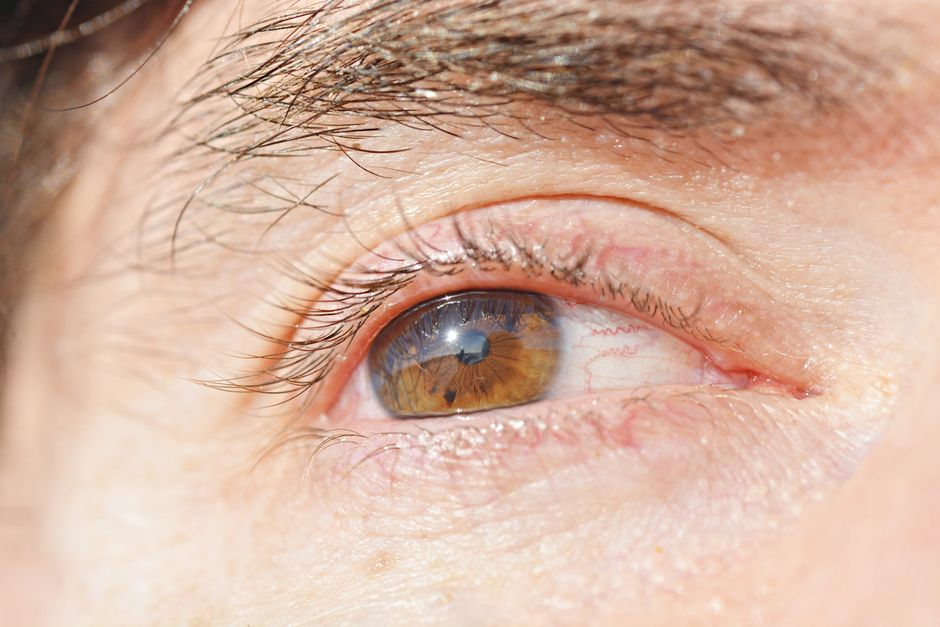
A stye forms when bacteria infect one of the small glands in your eyelid. The most common cause is Staphylococcus aureus, a bacterium that normally lives on your skin. It gets into the gland through a tiny opening, multiplies, and triggers inflammation. The body sends white blood cells to fight the infection, which creates pus and swelling. That red, painful bump is a stye.
What Is a Stye?
A stye, medically called a hordeolum, is a common eyelid infection. It looks like a pimple or a boil on the edge of the eyelid. It happens when an oil gland or a hair follicle on the eyelid gets clogged and infected.
Styes are usually harmless and go away on their own within a week or two. But they can be painful and annoying while they are there. Most people get a stye at least once in their life.
How Do a Stye Form? Step by Step
Here is the step-by-step process of how a stye forms:
- Bacteria enter the eyelid gland. The bacterium Staphylococcus aureus is common on skin and in the nose. When you rub your eyes or touch your eyelids with unwashed hands, the bacteria can move onto the eyelid margin.
- Bacteria get into the gland opening. The eyelid has two types of glands. Eyelash follicles have smaller glands (glands of Zeis). The inner eyelid has meibomian glands that produce oil for tears. Bacteria can enter either type through the tiny opening.
- Infection begins. Once inside, the bacteria start to multiply. The immune system responds by sending white blood cells to the area. This causes inflammation.
- Pus forms. The battle between bacteria and immune cells creates pus. Pus is a mixture of dead bacteria, dead white blood cells, and tissue fluid.
- Swelling and pain develop. The pus and inflammation cause the gland to swell. The eyelid becomes red, tender, and often painful to touch. This is the stye you see.
- The stye may drain. After a few days, the stye often comes to a head and drains pus. This relieves pressure and starts healing.
This entire process usually takes 7 to 10 days from start to healing.
What Are the Different Types of Styes?
There are two main types of styes, based on which gland is infected:
- External stye — This forms on the outer edge of the eyelid, at the base of an eyelash. It is more common and usually more visible. It infects the gland of Zeis or the lash follicle.
- Internal stye — This forms inside the eyelid, on the moist part that touches the eye. It infects a meibomian gland. Internal styes can be more painful because the swelling has less room to expand. They may not be as visible from the outside.
Both types are caused by the same bacteria and treated the same way. Internal styes sometimes take longer to heal.





What Are the Symptoms of a Stye?
A stye usually causes a red, swollen bump on the eyelid. The area is often tender or painful. You might also notice:
- Swelling of the entire eyelid
- Watery eyes
- Sensitivity to light
- Feeling like something is in your eye (grittiness)
- Discharge or crusting along the eyelid
Symptoms usually start mild and get worse over the first few days. After the stye drains, symptoms improve quickly.
How Is a Stye Treated?
Most styes heal without medical treatment. Home care is the main approach. The most effective and widely recommended treatment is a warm compress.
Warm compresses: Soak a clean cloth in warm water, wring it out, and place it over the closed eye for 10 to 15 minutes. Do this 3 to 4 times a day. The heat helps loosen the clogged gland and encourages the stye to drain naturally.
Gentle massage: After the warm compress, you can gently massage the area with a clean finger. This can help push the pus out. Do not squeeze or pop the stye. Let it drain on its own.
Keep the area clean: Wash your eyelids with a mild soap or baby shampoo mixed with water. Use a clean washcloth. Repeat daily until the stye is gone.
Over-the-counter pain relievers: If the pain bothers you, ibuprofen or acetaminophen can help. Follow the label directions.
Avoid: Do not wear eye makeup or contact lenses until the stye heals. This prevents further irritation and more infection.
If the stye does not improve after a week, or if it gets worse, see a doctor. A doctor may prescribe an antibiotic ointment or, rarely, drain the stye in the office.
Can You Prevent a Stye?
You cannot always prevent a stye, but good habits lower your risk. The most important step is to avoid touching your eyes with unwashed hands.
- Wash your hands regularly, especially before touching your face or eyes.
- Remove eye makeup completely every night. Replace mascara and eyeliner every 3 months.
- Do not share makeup, washcloths, or towels with others.
- If you have blepharitis (chronic eyelid inflammation), clean your eyelids daily as your doctor advises.
- Replace contact lenses properly and follow your eye care professional’s hygiene instructions.
These steps reduce the chance of bacteria reaching your eyelid glands.
When Should You See a Doctor?
Most styes do not need a doctor. But some situations require medical attention:
- The stye does not get better after 1 to 2 weeks of home treatment.
- The swelling spreads to other parts of your face or eye.
- You have vision changes, such as blurry vision.
- The pain becomes severe.
- You get styes often or many at once.
- You have a fever or chills along with the stye.
These could be signs of a more serious infection called preseptal cellulitis. This is rare but needs prompt treatment with antibiotics.
Frequently Asked Questions
Can you pop a stye?
No. Never pop or squeeze a stye. Squeezing can push the infection deeper into the eyelid or into the bloodstream, which is dangerous.
How long does a stye last?
Most styes heal within 7 to 10 days. With warm compresses, many improve in 3 to 5 days.
Are styes contagious?
Styes are not contagious in the way a cold is. But the bacteria that cause them can spread to others through direct contact, such as sharing towels or touching the same surface.
What is the difference between a stye and a chalazion?
A stye is an infection that causes pain and pus. A chalazion is a blocked oil gland that is not infected. Chalazions are usually painless and firm, and they take longer to go away.
