
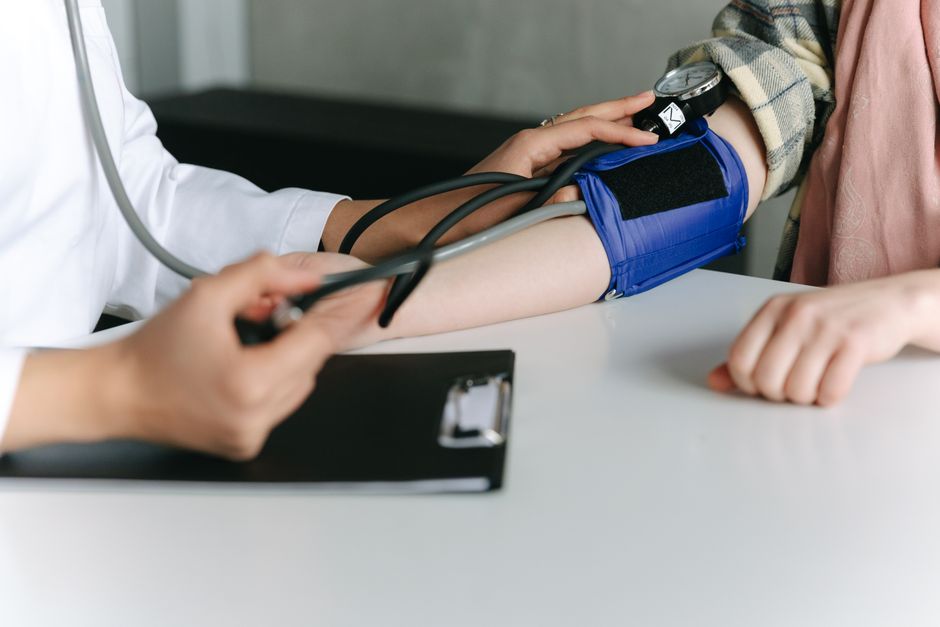
High blood pressure during pregnancy is not something to manage on your own. If your readings are elevated, the first step is always to contact your doctor or midwife. Some natural steps, like staying active, eating well, and reducing stress, can support healthy blood pressure. But they work alongside medical care, not instead of it.
Pregnancy changes how the body handles blood pressure in ways that are different from any other time of life. That is why the rules are different too. What works for a 55-year-old man watching his numbers creep up is not the same plan for someone who is 28 weeks pregnant. This article explains what is known, what is uncertain, and where self-care stops and medical care must begin.
Why Does Blood Pressure Change During Pregnancy?
Blood pressure usually drops in early pregnancy and then rises back toward normal in the third trimester.
This is normal physiology. In the first half of pregnancy, blood vessels relax and a new network of blood vessels forms in the placenta. That lowers resistance to blood flow, so pressure tends to fall. Many women notice their readings are lower than usual around the middle of pregnancy. Then, as pregnancy advances, pressure gradually climbs back to pre-pregnancy levels.
What matters is not just the number but the pattern and the timing. A reading that would be unremarkable in a non-pregnant adult can be a warning sign in pregnancy, and vice versa. This is one reason home monitoring and regular prenatal visits matter.
Two conditions are the main concern. Chronic hypertension means high blood pressure that existed before pregnancy or appears before 20 weeks. Gestational hypertension means high blood pressure that develops after 20 weeks without other organ involvement. Preeclampsia is a more serious condition that involves high blood pressure plus signs of organ stress, such as protein in the urine or liver and kidney changes. Preeclampsia can develop even when blood pressure is only mildly elevated, and it can worsen quickly.
None of these can be diagnosed or managed by diet and lifestyle alone. They require medical care.
How To Lower Blood Pressure Naturally During Pregnancy
Lifestyle steps can support healthy blood pressure, but they are not a treatment for hypertension in pregnancy.
That distinction is important. No diet, supplement, or exercise routine has been shown to treat gestational hypertension or prevent preeclampsia on its own. What these steps can do is support your overall health and, in some cases, help keep mild elevations from getting worse. Think of them as part of a broader plan that your doctor guides.
Stay active within medical guidance
Regular moderate activity is generally recommended during uncomplicated pregnancy. Walking, swimming, and prenatal yoga are common choices. Exercise supports circulation and may help with blood pressure over time. But if you have been told you have high blood pressure or any pregnancy complication, ask your doctor what activity is safe for you before starting or continuing a routine. Some conditions require activity restrictions.
Eat a balanced diet
A diet rich in vegetables, fruits, whole grains, lean protein, and low-fat dairy supports general health in pregnancy. The DASH eating pattern, which stands for Dietary Approaches to Stop Hypertension, is well studied in the general adult population for lowering blood pressure. Whether it lowers blood pressure specifically during pregnancy is less clear. Some research suggests it may be helpful, but the evidence is not as strong as it is for non-pregnant adults.
What is well established: getting enough calcium, potassium, and magnesium through food matters for pregnancy. Your prenatal care provider can tell you whether your diet meets your needs.
Limit sodium sensibly
Reducing sodium can help lower blood pressure in the general population. In pregnancy, the picture is more complicated. Pregnancy itself changes how the body handles sodium, and severe sodium restriction is not recommended. Aim for a reasonable intake rather than an extreme one. Processed foods, restaurant meals, and canned soups are common sources. Your doctor can advise on what is right for your situation.
Manage stress and sleep
Stress and poor sleep can affect blood pressure. Pregnancy is a time of physical and emotional change, and stress is common. Gentle activity, breathing exercises, adequate rest, and support from people you trust can help. There is no strong evidence that stress reduction alone lowers blood pressure during pregnancy, but it supports overall health and is reasonable to include.
Do not smoke, drink alcohol, or use recreational drugs
Smoking, alcohol, and recreational drugs are harmful in pregnancy and can affect blood pressure and fetal health. If you need help stopping, tell your doctor. Support is available.
What About Supplements and Herbs?
Most supplements marketed for blood pressure have not been tested for safety in pregnancy.
This is a real gap. Herbs and supplements that are sold without a prescription are not required to prove they are safe in pregnancy. Some, including certain herbal products, can be harmful to a developing baby or can interact with medications. Even “natural” does not mean safe in pregnancy.
Two exceptions are worth noting because they are studied in pregnancy, though for different reasons. Calcium supplementation has been studied for preventing preeclampsia in populations with low dietary calcium. Whether it helps in women who already get enough calcium is not established. Low-dose aspirin is sometimes recommended by clinicians for women at high risk of preeclampsia, but this is a medical decision, not a self-care step. Neither should be started without a doctor’s guidance.
For everything else, the honest position is simple: no clinical guidelines support taking blood pressure supplements during pregnancy, and the safety data is largely absent. Ask your doctor before taking anything, including herbal teas and “natural” products.


When Natural Steps Are Not Enough
Some cases of high blood pressure in pregnancy need medication, and delaying treatment can be dangerous.
If your blood pressure stays high or rises, your doctor may prescribe medication. Certain blood pressure medications are considered safe in pregnancy, and others are not. For example, ACE inhibitors and angiotensin receptor blockers are generally avoided in pregnancy because they can harm the fetus. Your doctor will choose based on your specific situation.
Preeclampsia sometimes requires early delivery. This is not a failure of natural approaches. It is a medical necessity when the condition threatens the health of the mother or baby. The decision is based on how far along the pregnancy is, how severe the condition is, and how both are doing.
Warning signs that need urgent care include:
- Severe headache that does not go away
- Vision changes, such as blurring or seeing spots
- Pain in the upper belly, often under the ribs on the right side
- Sudden swelling of the face, hands, or feet
- Shortness of breath
- Nausea or vomiting that starts or gets worse in the second half of pregnancy
If any of these occur, contact your doctor right away or go to the emergency room. Do not wait to see if they pass.
How Is Blood Pressure Monitored in Pregnancy?
Blood pressure is checked at every prenatal visit, and some women are asked to monitor at home.
Home monitoring can help track patterns between visits. If your doctor recommends it, use a validated upper-arm cuff and follow their instructions on when and how to measure. Bring your monitor to a visit so it can be checked against the office reading. Wrist and finger monitors are generally less accurate.
Normal blood pressure is generally below 120/80. In pregnancy, the thresholds used to define high blood pressure are different in some guidelines and have been updated over time. Your doctor will tell you what range they are watching for in your case. This is one area where you should not rely on general numbers you find online.
What Does the Evidence Actually Show?
Lifestyle changes can support health in pregnancy, but no natural approach has been proven to treat or prevent high blood pressure disorders of pregnancy on its own.
That is the honest summary. Exercise, diet, stress management, and avoiding harmful substances are reasonable and generally recommended for overall health. They are not substitutes for medical care when blood pressure is elevated. The evidence for specific natural interventions lowering blood pressure in pregnancy is limited, and in some cases absent.
This does not mean lifestyle does not matter. It means the stakes are higher in pregnancy. Preeclampsia and related conditions can progress quickly and affect both mother and baby. Working with your doctor, rather than around them, is the safest path.
Frequently Asked Questions
Can I lower my blood pressure naturally during pregnancy?
Lifestyle steps like staying active, eating well, and managing stress can support healthy blood pressure, but they are not a treatment for hypertension in pregnancy. If your readings are elevated, you need medical care.
Is it safe to take herbs or supplements for blood pressure while pregnant?
Most supplements marketed for blood pressure have not been tested for safety in pregnancy, and some can be harmful. Do not start any supplement, herb, or tea without asking your doctor first.
When should I call my doctor about high blood pressure in pregnancy?
Call your doctor if you have a severe headache, vision changes, upper belly pain, sudden swelling, or shortness of breath. These can be signs of a serious condition that needs urgent care.
Can exercise lower blood pressure during pregnancy?
Regular moderate activity is generally recommended in uncomplicated pregnancy and supports overall health, but it has not been proven to treat high blood pressure in pregnancy. Ask your doctor what is safe for you.
