
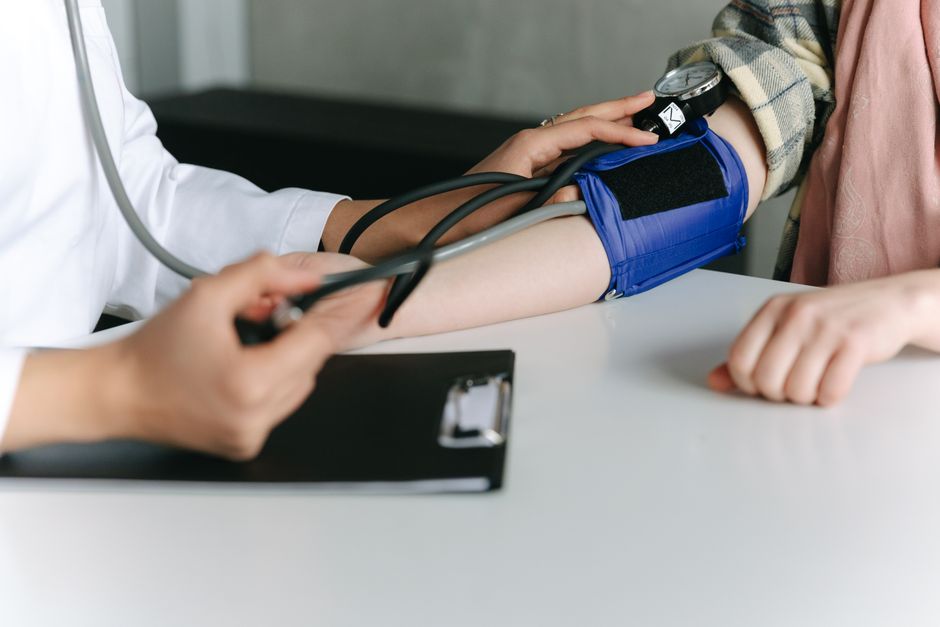
Feeling dizzy when you stand up, or tired in a way that’s hard to explain, can sometimes trace back to low blood pressure. For many people, the fix isn’t a prescription — it’s a few practical changes to food, fluids, and daily habits. This article explains how to increase blood pressure naturally at home, what actually works, and when low blood pressure is a sign of something that needs medical care.
What Counts as Low Blood Pressure?
There is no single number that defines low blood pressure. A reading below 90/60 mm Hg is often called low, but what matters more is whether you have symptoms.
Blood pressure is the force of blood pushing against your artery walls. It’s measured in two numbers. The top number is systolic pressure — the force when your heart beats. The bottom number is diastolic pressure — the force when your heart rests between beats. A normal resting reading is generally around 120/80 mm Hg, though healthy ranges vary from person to person.
Some people live their whole lives at 90/60 mm Hg and feel fine. Athletes and young, slim people often run low naturally. In those cases, no treatment is needed. The concern is when low pressure causes symptoms like dizziness, fainting, blurred vision, fatigue, nausea, or trouble concentrating.
One detail worth knowing: a sudden drop in blood pressure when you stand up has its own name — orthostatic hypotension. It happens when your body doesn’t adjust fast enough to gravity pulling blood down into your legs. This is common and often manageable, but it can also signal dehydration, medication side effects, or another health issue worth checking.
What Causes Low Blood Pressure?
Low blood pressure usually has an identifiable cause, and finding it is the first step toward managing it.
Common causes include:
- Dehydration — not enough fluid in your body lowers blood volume and pressure.
- Medications — diuretics, some blood pressure drugs, certain antidepressants, and drugs for Parkinson’s disease can lower pressure.
- Blood loss — from injury or internal bleeding.
- Heart problems — a very slow heart rate, valve issues, or heart failure.
- Endocrine conditions — thyroid problems, adrenal insufficiency, or low blood sugar.
- Severe infection — which can trigger a dangerous drop called septic shock.
- Prolonged bed rest or pregnancy — both can lower pressure temporarily.
Some causes are harmless. Others are serious. That’s why ongoing symptoms deserve a medical evaluation rather than guesswork. If low blood pressure comes on suddenly with confusion, rapid breathing, cold or clammy skin, or a weak pulse, that’s a medical emergency — call for help right away.
How To Increase Blood Pressure Naturally At Home
For mild, symptom-free low blood pressure, several home strategies can help. These approaches raise blood volume, support circulation, and reduce the dips that cause symptoms.
Drink More Water
Fluid intake directly affects blood volume. Less fluid means lower pressure. Most healthy adults need roughly 9 to 13 cups of fluid a day from all sources, according to general dietary guidance, though needs vary with activity, climate, and health. If you’re prone to low blood pressure, staying well hydrated is one of the simplest steps you can take.
During hot weather or exercise, you lose more fluid and electrolytes. Replacing both matters. A pinch of salt in water or an electrolyte drink can help some people, but check with a clinician first if you have heart or kidney conditions.
Add More Salt to Your Diet
Sodium raises blood pressure by helping your body hold onto fluid. For people with low blood pressure and no heart or kidney disease, some clinicians recommend a higher-salt diet. This is not universal advice.
Salt recommendations are highly individual. A doctor may suggest increasing sodium if you have frequent symptoms. But for most Americans, the general public health message runs the opposite way — most people consume more sodium than recommended. So this step should be personalized, not copied from someone else.
Eat Smaller, More Frequent Meals
Large meals can cause a drop in blood pressure because blood rushes to your digestive system. This is called postprandial hypotension, and it’s more common in older adults. Eating smaller meals more often throughout the day can reduce these dips.
Limiting heavy, starchy meals and alcohol — especially around mealtimes — may also help. Alcohol dehydrates the body and can lower pressure further.
Wear Compression Stockings
Compression stockings squeeze the legs to help blood return to the heart instead of pooling. They’re commonly used for orthostatic hypotension and varicose veins. Some people find them helpful. The evidence for compression stockings specifically in low blood pressure is modest, but they’re widely used in clinical practice.
Change Position Slowly
Standing up too fast is a common trigger for dizziness. If you feel lightheaded when you rise, try sitting on the edge of the bed for a moment before standing. Flexing your ankles and calves a few times before you get up can also help push blood back toward your heart.
Move Your Legs to Boost Circulation
Simple physical movements can raise pressure when you feel a dip coming on. Crossing your legs while standing, squeezing your thighs, or tensing your calves can help. These are sometimes called physical counter-maneuvers, and they’re used in clinical settings for people with orthostatic symptoms.

Foods and Drinks That May Help
Certain foods and beverages can support blood pressure in people who run low. The effects are modest and vary by person, but they’re worth knowing.
- Salty foods — broth, olives, pickles, and salted nuts can raise sodium intake.
- Caffeine — a cup of coffee or tea can cause a short-term rise in blood pressure. The effect fades with regular use.
- Leafy greens and beans — foods rich in folate and iron support red blood cell production, which matters if anemia is contributing to your low pressure.
- Vitamin B12 sources — meat, eggs, and dairy help prevent a type of anemia that can lower pressure.
- Electrolyte drinks — replace sodium and potassium lost through sweat.
No single food will fix low blood pressure. These are supporting habits, not stand-alone treatments. If a clinician has identified a nutritional deficiency, treating that deficiency is the real solution.
What About Anemia and Low Blood Pressure?
Anemia and low blood pressure often appear together, but one doesn’t always cause the other. Anemia means you don’t have enough healthy red blood cells to carry oxygen. It can make you feel tired, weak, and dizzy — symptoms that overlap with low blood pressure.
If blood tests show anemia, treating it may improve how you feel. Iron, vitamin B12, and folate deficiencies are common causes. A clinician can confirm which one applies through blood work. Don’t assume anemia is the cause without testing — the symptoms of low blood pressure and anemia can look nearly identical.
When Should You See a Doctor?
See a doctor if low blood pressure causes falls, fainting, or symptoms that interfere with daily life. Also seek care if symptoms start suddenly or get worse over time.
Some situations need urgent attention:
- Fainting or near-fainting
- Chest pain or shortness of breath
- Confusion or trouble speaking
- Cold, clammy, pale skin
- Rapid or shallow breathing
- Weak, rapid pulse
These can signal shock, which is life-threatening. Call emergency services.
For ongoing but milder symptoms, a primary care visit is a reasonable next step. Bring a log of your readings, when symptoms happen, and any medications you take. That information helps a clinician spot patterns and rule out causes like medication side effects or an underlying condition.
What Doesn’t Work (or Isn’t Proven)
Some popular advice for low blood pressure isn’t supported by strong evidence. It’s worth separating what helps from what’s mostly marketing.
Herbal supplements marketed for blood pressure support rarely have solid human trial data behind them. Some, like licorice root, can actually raise blood pressure — but they also carry real risks, including potassium loss and heart rhythm problems. Licorice isn’t a safe home remedy to self-prescribe.
Similarly, no diet or single food has been shown to reliably raise blood pressure in people who need it. The strategies with the best support are the unglamorous ones: fluids, salt (when appropriate), smaller meals, and slow position changes.
Frequently Asked Questions
Can low blood pressure be raised naturally?
Yes, for mild cases without serious causes, drinking more water, eating smaller meals, and changing position slowly can help. If symptoms are frequent or severe, a doctor should evaluate the cause first.
Does drinking more water raise blood pressure?
Yes, fluids increase blood volume, which can raise blood pressure. Most healthy adults need roughly 9 to 13 cups of fluid daily from all sources, though needs vary.
Is salt good for low blood pressure?
For some people with low blood pressure and no heart or kidney disease, a clinician may recommend more sodium. Salt advice is individual, so check with a doctor before increasing your intake.
When is low blood pressure an emergency?
Low blood pressure with confusion, chest pain, cold clammy skin, rapid breathing, or fainting is an emergency. Call emergency services right away.
