
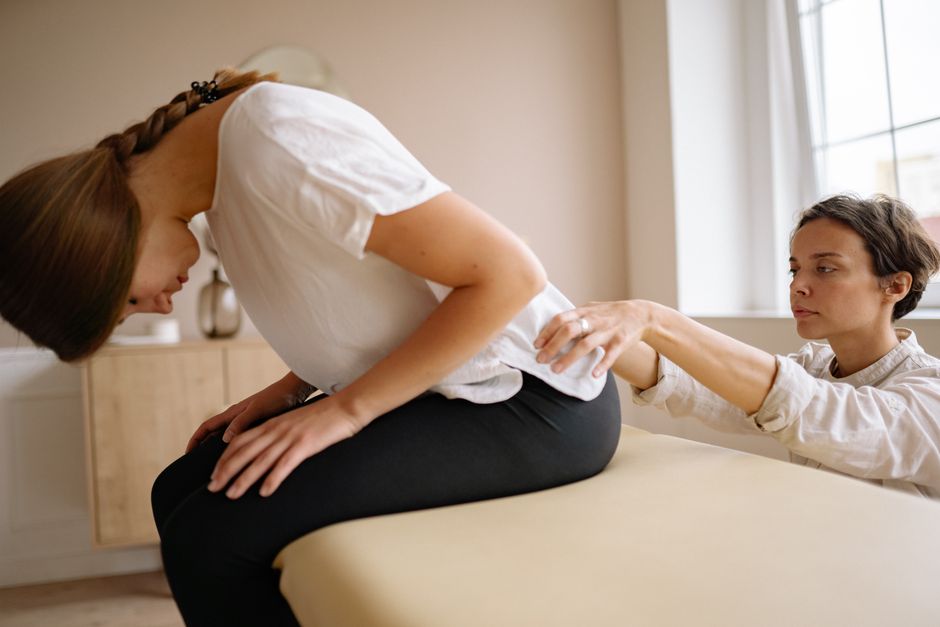
Most bad lower back pain gets better on its own, and the things that help most are not expensive. Staying lightly active, avoiding bed rest, and using heat or over-the-counter pain relievers for a short time are the first steps that work for most people. If pain lasts longer than a few weeks or comes with numbness or weakness in your legs, that is when you need a doctor.
This article covers what actually helps, what the evidence says about each option, and when to stop guessing and get checked out.
What Causes Bad Lower Back Pain?
Most cases of lower back pain have no single identifiable cause. That sounds unsatisfying, but it is the honest reality of how back pain works. In the vast majority of cases, imaging does not reveal a specific structural problem that explains the pain.
The back is a system: bones, discs, joints, muscles, ligaments, and nerves all working together. Pain can arise from any of these structures, and often more than one is involved. Muscle strain from lifting or twisting is common. So is pain from the small joints in the spine, sometimes called facet joints. Discs can also be a source, though disc changes on an MRI are found in many people with no pain at all.
This is an important point. Research has consistently found that disc degeneration, disc bulges, and other structural changes appear on scans of people who have no back pain. So finding something on an MRI does not automatically mean that finding is the cause of your pain.
A smaller number of cases have a clear cause:
- Herniated disc pressing on a nerve root, which can cause pain that travels down the leg
- Spinal stenosis, a narrowing of the spinal canal that becomes more common with age
- Vertebral fracture, more likely in people with osteoporosis
- Inflammatory conditions such as ankylosing spondylitis
- Infection or cancer, which are rare but serious
Most people never find out exactly which structure is causing their pain. That is normal, and it does not mean the pain is not real.
What Actually Helps When Your Back Hurts?
Staying active is the single most important thing you can do. Bed rest was recommended for decades, but research has since shown that prolonged rest makes back pain worse, not better. Gentle movement keeps muscles from stiffening and helps you recover faster.
Heat is one of the most reliable at-home options. A heating pad or warm bath relaxes muscles and can reduce pain for a period. Cold packs may help in the first day or two if there is swelling, but heat tends to be more useful for ongoing muscle pain.
Over-the-counter pain relievers can take the edge off. Acetaminophen and nonsteroidal anti-inflammatory drugs like ibuprofen and naproxen are commonly used. NSAIDs may work slightly better for back pain because they reduce inflammation, but they carry stomach and kidney risks with long-term use. Follow the label and check with your doctor if you take other medications.
Topical pain relievers, including creams with capsaicin or lidocaine, are another option. They have fewer systemic side effects than pills, though the evidence for how well they work specifically for back pain is limited.
What does not help: lying in bed for days, avoiding all movement, and waiting for the pain to disappear before you do anything.
Does Exercise Really Help Back Pain?
Yes. Exercise is one of the most studied treatments for lower back pain, and the evidence consistently supports it. The type of exercise matters less than doing it consistently.
Research has found that several approaches work about equally well:
- Walking, which is low-impact and easy to start
- Swimming or water exercise, which takes pressure off the spine
- Yoga and Pilates, which build core strength and flexibility
- Strength training, particularly for the back and core muscles
- Stretching and mobility work
The best exercise is the one you will actually do. Starting small matters. If walking for ten minutes hurts, try five. If that hurts, try two. The goal is gentle, regular movement, not pushing through severe pain.
Physical therapy can be helpful for people whose pain persists. A physical therapist can teach you specific exercises and help you move safely. Some studies suggest that early physical therapy leads to better outcomes and lower costs than waiting, though results vary.





What About Chiropractic and Other Hands-On Treatments?
Spinal manipulation, often done by chiropractors or osteopaths, can provide short-term relief for some people. The evidence suggests it works about as well as other conservative treatments for acute low back pain, but it is not clearly better than exercise or standard care.
Massage therapy may also help in the short term. Some studies show modest pain relief, but the effect tends to fade once sessions stop.
Acupuncture has been studied extensively for back pain. Results are mixed. Some trials show benefit, but it is unclear whether the effect comes from the needles themselves or from the expectation of relief. The evidence does not strongly support acupuncture as a first-line treatment.
None of these approaches are harmful for most people when done by a qualified practitioner. But they work best as part of a broader plan that includes staying active and addressing the underlying factors that contribute to pain.
When Should You See a Doctor for Back Pain?
Most back pain improves within a few weeks without medical care. But some symptoms need attention right away.
See a doctor promptly if you have:
- Pain that follows a fall or injury
- Numbness or weakness in your legs or feet
- Loss of bladder or bowel control
- Pain that wakes you at night or is worse when you rest
- Unexplained weight loss along with back pain
- Fever or chills with back pain
- A history of cancer
- Pain that gets steadily worse instead of better
These signs can point to something more serious than a muscle strain. Cauda equina syndrome, which involves loss of bladder or bowel control along with leg weakness, is a medical emergency that needs immediate treatment.
For pain that lingers beyond a few weeks without red flags, a doctor can help rule out other causes and guide treatment. Imaging is usually not needed right away because most findings on scans do not change how the pain is treated.
What Does Not Work for Lower Back Pain?
Several popular treatments have weak or no evidence behind them. Knowing what does not help can save you time and money.
Bed rest is at the top of the list. It was standard advice for decades, but research now shows it delays recovery and makes pain worse.
Opioid painkillers are not recommended for long-term back pain. They carry risks of dependence, and the evidence does not show they work better than non-opioid options for chronic back pain.
Back belts and corsets have not been shown to prevent or treat back pain in most people. They may provide temporary support but do not address the underlying issue.
Most supplements marketed for joint or back health have little to no evidence supporting their use for back pain. Glucosamine and chondroitin, for example, have been studied extensively for osteoarthritis, and results have been largely disappointing. No large trials support their use for lower back pain specifically.
Passive treatments alone, such as repeated spinal adjustments without any active exercise or lifestyle change, tend to produce short-term relief that does not last.
The pattern is clear: active approaches that get you moving and build strength tend to work better than passive ones that rely on someone else to fix you.
How to Prevent Back Pain From Coming Back
Once the pain settles, the goal shifts to keeping it from returning. Recurrence is common, but there are things you can do to lower the risk.
Regular exercise is the most reliable prevention strategy. A mix of aerobic activity, strength training, and flexibility work supports the whole system that keeps your back healthy.
Pay attention to how you lift and carry things. Bend at the knees and hips, not the waist. Keep the load close to your body. Avoid twisting while lifting.
If you sit for long periods, take breaks to stand and move. There is no single perfect posture, but staying in one position for hours tends to aggravate the back.
Maintaining a healthy weight reduces strain on the spine. Smoking is also linked to back pain, likely because it reduces blood flow to spinal discs. Quitting helps for many reasons, and back health is one of them.
Stress and sleep matter more than most people realize. Poor sleep and high stress can lower your pain tolerance and make existing pain feel worse. Addressing these factors is part of a complete plan.
Frequently Asked Questions
How long does bad lower back pain usually last?
Most acute episodes improve within a few weeks, often within days. If pain lasts longer than six weeks, it is considered chronic and may need a different approach.
Is it better to rest or stay active with back pain?
Staying lightly active is better than resting in bed. Prolonged bed rest makes back pain worse and slows recovery.
Should I get an MRI for lower back pain?
Most people do not need an MRI right away. Imaging often shows changes that are not the cause of pain, and it usually does not change treatment unless there are red flag symptoms.
What is the best exercise for lower back pain?
There is no single best exercise. Walking, swimming, yoga, and strength training all have evidence supporting their use, and the one you will do consistently is the best choice for you.
