
Back pain during pregnancy is extremely common, but that does not mean you have to simply endure it. You can get rid of or significantly reduce pregnancy back pain through a combination of regular gentle exercise, proper posture, supportive sleep positions, and safe pain relief methods like heat therapy and physical therapy. The most effective approach is to stay active and strengthen your core and back muscles, rather than resting completely.
Why Does Pregnancy Cause Back Pain?
Your body changes quickly during pregnancy, and your back feels those changes first. As your baby grows, your center of gravity shifts forward. To keep your balance, you naturally lean back, which puts extra strain on your lower back muscles.
Hormones also play a major role. Your body releases a hormone called relaxin during pregnancy. Relaxin loosens your ligaments and joints to prepare your pelvis for birth. This loosening affects your spine too, making it less stable and more prone to strain. The combination of a shifting center of gravity and looser joints is the main reason back pain develops.
Weight gain adds to the load. Most women gain between 25 and 35 pounds during pregnancy. Every pound of weight in your abdomen pulls on your lower back. The muscles there have to work harder just to hold you upright.
What Are the Best Ways to Get Rid of Back Pain During Pregnancy?
Movement is your best tool. Gentle exercise strengthens the muscles that support your spine and keeps your joints flexible. Walking, swimming, and prenatal yoga are all safe options for most pregnant women. Swimming is especially helpful because the water supports your weight and takes pressure off your back.
Pelvic tilts are a simple exercise that directly targets back pain. Get on your hands and knees, keep your back flat, then gently tuck your pelvis under and round your back upward like a cat. Hold for a few seconds, then relax. Repeat several times throughout the day.
Kegel exercises help too. These strengthen your pelvic floor muscles, which support your uterus, bladder, and bowels. Stronger pelvic floor muscles take some of the load off your back. Squeeze the muscles you would use to stop urine flow, hold for a few seconds, and release. Do several sets daily.
Some research suggests that prenatal yoga and water aerobics reduce pregnancy back pain more effectively than standard prenatal care alone. These activities improve flexibility and strengthen muscles without putting excessive strain on your joints.
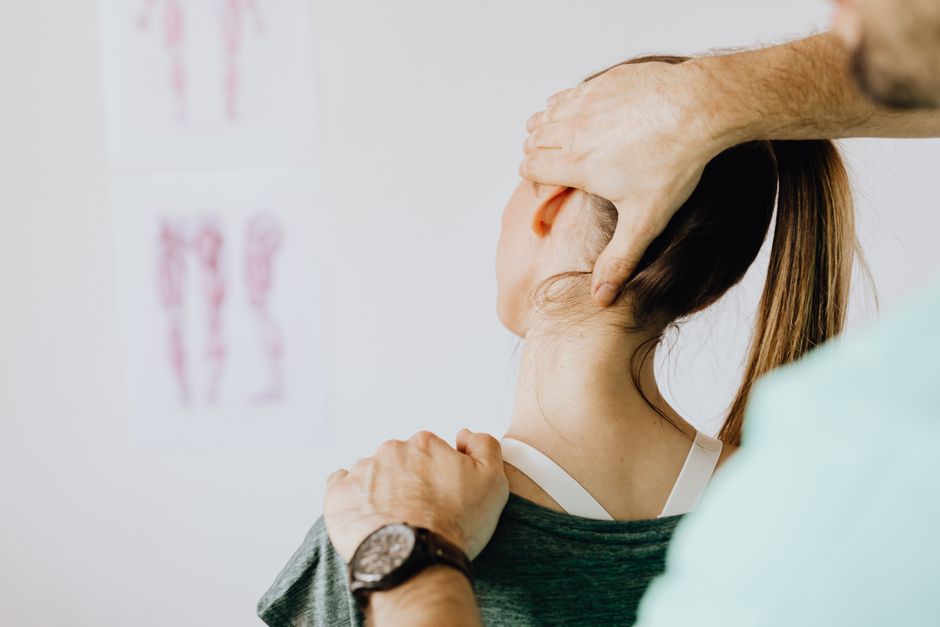
If exercise alone does not relieve your pain, physical therapy is a proven option. A physical therapist can teach you specific exercises tailored to your changing body and show you safe ways to move during daily activities. Many women find that a few sessions make a significant difference.
How Does Posture and Body Mechanics Prevent Pain?
How you sit and stand matters just as much as exercise. Good posture reduces the load on your back muscles by keeping your spine in its natural alignment.
When standing, keep your shoulders back and your weight evenly distributed on both feet. Avoid standing for long periods. If you must stand, place one foot on a low stool and switch feet regularly. This tilts your pelvis forward and reduces the curve in your lower back.
When sitting, use a chair with good lower back support. Place a small pillow or rolled towel behind your lower back if needed. Keep your feet flat on the floor and avoid crossing your legs. Stand up and walk around every hour to prevent stiffness.
How you lift objects matters too. Never bend at the waist to pick something up. Squat down by bending your knees, keep the object close to your body, and use your leg muscles to stand up. This protects your back from unnecessary strain.
The way you sleep also affects your back. Sleep on your side with a pillow between your knees. This keeps your spine aligned and reduces pressure on your lower back. A full-body pregnancy pillow can provide additional support. Avoid sleeping on your back, especially in later pregnancy, because the weight of your uterus can press on major blood vessels.
-
 Is Back Pain Normal During Early Pregnancy? The Real Answer
 -
How to Minimize Back Pain During Pregnancy? A Simple Guide
-
What to Do When Back Pain During Pregnancy? What to Know
-
How to Help Lower Back Pain During Pregnancy? Tips That Actually Work
-
Joint Genesis Review (2026): An Evidence-Based Analysis.





Are Heat, Cold, and Massage Safe During Pregnancy?
Heat therapy is safe and effective for pregnancy back pain. Apply a heating pad or warm compress to the painful area for 15 to 20 minutes at a time. Use the lowest setting that feels comfortable. Avoid using heat for extended periods or while sleeping. Warm baths can also relax tense back muscles.
Cold therapy helps if your back feels inflamed or swollen. Apply an ice pack wrapped in a thin towel to the area for 15 minutes at a time. Do not apply ice directly to bare skin.
Massage can provide significant relief. A prenatal massage therapist knows how to position your body safely and which techniques are appropriate during pregnancy. If you prefer a home option, gentle self-massage with lotion or oil can help relax tight muscles. Some research indicates that massage therapy reduces pregnancy back pain and improves mood.
Acupuncture is another option some women find helpful. Some studies suggest that acupuncture may reduce pregnancy-related back pain, though the evidence is not definitive. If you try acupuncture, use a licensed practitioner experienced in treating pregnant women.
What Pain Medications Are Safe During Pregnancy?
Acetaminophen is generally considered the safest over-the-counter pain reliever during pregnancy. It is the most commonly recommended option for managing pain while pregnant. Take the lowest effective dose for the shortest time needed.
Nonsteroidal anti-inflammatory drugs like ibuprofen and naproxen are generally avoided during pregnancy, especially in the third trimester. These medications have been linked to complications when used later in pregnancy. Always ask your doctor before taking any medication while pregnant.
Some topical creams and patches are safe for pregnancy back pain, but not all are. Always check with your healthcare provider before using any new product, even ones applied to your skin. Ingredients can absorb through the skin and reach your baby.
When Should You See a Doctor About Pregnancy Back Pain?
Some back pain is normal during pregnancy, but certain symptoms require medical attention. Call your doctor if your back pain is severe, sudden, or getting progressively worse. Seek immediate care if back pain is accompanied by fever, pain during urination, numbness in your legs, or vaginal bleeding.
Back pain can sometimes be a sign of preterm labor. If your back pain is rhythmic, comes in waves, or is accompanied by contractions, contact your healthcare provider right away. Pelvic pressure or a change in vaginal discharge with back pain also warrants a call.
Most pregnancy back pain resolves after delivery, but it does not always disappear immediately. Some women continue to experience back pain for months after giving birth. Staying active and maintaining good posture after delivery can help your back recover.
If conservative measures like exercise, posture changes, and heat therapy do not help within a few weeks, ask your doctor for a referral to physical therapy. Persistent pain that interferes with daily life is worth investigating. Your doctor can rule out other causes and develop a treatment plan that is safe for you and your baby.
Frequently Asked Questions
Is it normal to have back pain in early pregnancy?
Yes, back pain can start as early as the first trimester due to hormonal changes that loosen your joints and ligaments. Many women first notice it around week 8 to 12 as their bodies begin adjusting to pregnancy.
Can I use a heating pad while pregnant?
Yes, using a heating pad on the lowest setting for 15 to 20 minutes is generally considered safe during pregnancy. Avoid using it for long periods or while sleeping, and place it only on your back, not directly on your abdomen.
Is it safe to see a chiropractor during pregnancy?
Many pregnant women see chiropractors for back pain relief, and it is generally considered safe when performed by a practitioner trained in prenatal care. Some research suggests chiropractic care may help reduce pregnancy back pain, but evidence is limited and you should check with your doctor first.
Does pregnancy back pain mean something is wrong with the baby?
No, in most cases pregnancy back pain is simply a normal result of weight gain, posture changes, and hormone shifts. However, seek medical care immediately if your back pain is severe, rhythmic, or accompanied by fever, bleeding, or contractions.
