
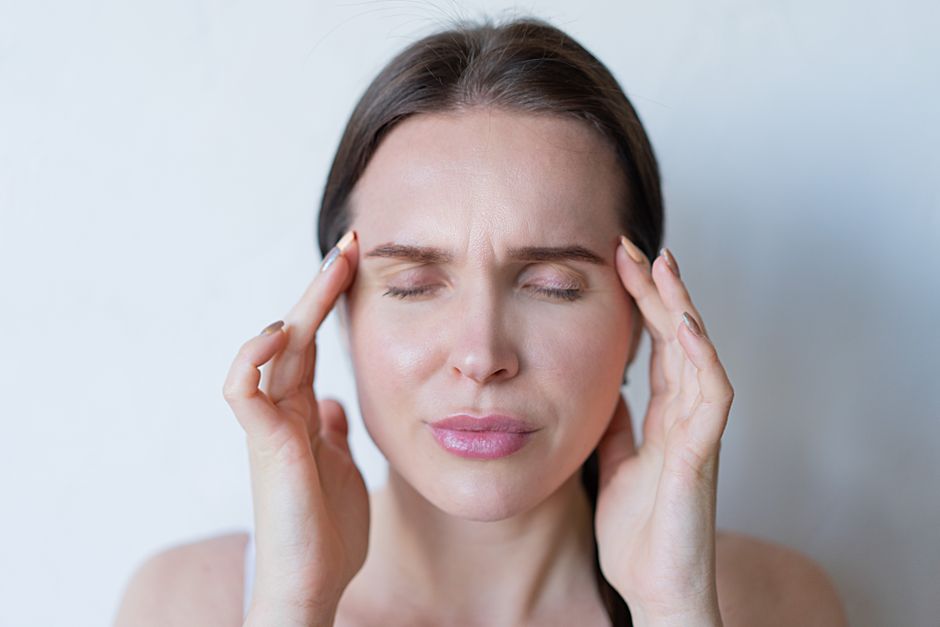
Most headaches get better on their own within a few hours. The fastest way to relieve a headache is to take an over-the-counter pain reliever like ibuprofen or acetaminophen at the first sign of pain. Drink a full glass of water and find a quiet, dark room to rest for 20 minutes. If tension in your neck or shoulders is the cause, apply a cold pack to your forehead or a warm compress to the back of your neck. These steps work for the vast majority of common tension headaches and migraines. If your headache does not improve or gets worse, see a doctor.
What Actually Causes Most Headaches?
The most common type of headache is a tension headache. Research published by the World Health Organization shows that about 1 in 20 adults has a tension headache every day. These headaches feel like a tight band around your head. The cause is usually muscle tension in your scalp, neck, and shoulders from stress, poor posture, or staring at a screen too long.
Migraines are different. They involve changes in brain activity and blood flow. The exact cause is not fully understood, but genetics play a large role. Migraines often come with nausea, sensitivity to light and sound, and visual disturbances called auras. About 12% of Americans get migraines, according to the Migraine Research Foundation.
Cluster headaches are rare but intense. They occur in cycles and cause severe pain around one eye. Sinus headaches are often misdiagnosed. Most people who think they have a sinus headache actually have a migraine. The CDC notes that true sinus headaches are much less common than people believe.
How To Relieve A Headache Quickly With Over-the-Counter Medications
The most reliable way to stop a headache fast is medication. Ibuprofen (Advil, Motrin) and naproxen (Aleve) are nonsteroidal anti-inflammatory drugs (NSAIDs). They reduce inflammation that can cause headache pain. Acetaminophen (Tylenol) works differently by blocking pain signals in the brain. All three are effective for tension headaches.
For migraines, combination medications that include caffeine often work better. Excedrin Migraine contains acetaminophen, aspirin, and caffeine. A study in the journal Headache found that this combination relieved migraine pain within two hours for about 59% of people. Caffeine helps by constricting blood vessels in the brain.
Take medication at the first sign of pain. Waiting makes it harder to stop the headache. Follow the dosage instructions on the bottle. Do not take more than recommended. Overusing headache medications can cause rebound headaches, where you get more headaches from the medicine itself.
Non-Drug Methods That Research Supports
Many people want to avoid medication. Evidence supports several non-drug options. Cold therapy is one of the best. Applying an ice pack or cold cloth to your forehead or temples can numb the pain and reduce inflammation. A small study in the Journal of Headache and Pain found that cold therapy reduced migraine pain significantly within 30 minutes.
Heat works better for tension headaches caused by tight muscles. A warm compress or heating pad on the back of your neck or shoulders relaxes muscle tension. A hot shower can also help. The heat increases blood flow and loosens tight spots.
Massage is another option. Gently massaging your temples, scalp, and neck for 10 minutes can reduce tension headache pain. A review of studies in the Journal of Bodywork and Movement Therapies found that massage therapy decreased headache frequency and intensity over time. Focus on the pressure points at the base of your skull and your temples.
Acupuncture has mixed but promising evidence. The American Academy of Neurology says acupuncture may be helpful for preventing migraines. The effect is modest. A large analysis in the Journal of Pain found that acupuncture reduced headache frequency by about 50% in some people. The benefit seems to come from both the needle placement and the relaxation response.





What to Do About Tension Headaches from Screens and Posture
Staring at a screen for hours is a major cause of tension headaches. Your eyes work harder to focus, and your neck muscles tighten to hold your head forward. This is called tech neck. The average adult head weighs about 10 to 12 pounds. When you tilt your head forward to look at a phone, the strain on your neck increases to about 60 pounds.
Fix your setup. Your screen should be at eye level so you do not look down. Take a break every 30 minutes. The 20-20-20 rule helps: every 20 minutes, look at something 20 feet away for 20 seconds. This relaxes your eye muscles and reduces strain.
Check your posture. Sit with your shoulders back and your ears aligned over your shoulders. Do not let your head drift forward. A simple stretch can help: gently tilt your head to one side, hold for 15 seconds, then switch sides. This relaxes the sternocleidomastoid muscle, which often triggers tension headaches.
How to Tell If Your Headache Needs Medical Attention
Most headaches are harmless. Some are not. You need to know the difference. The American Migraine Foundation lists warning signs that require immediate medical care.
- Sudden, severe headache that feels like the worst pain of your life
- Headache after a head injury or fall
- Headache with fever, stiff neck, confusion, or seizures
- Headache with vision changes, weakness, or trouble speaking
- Headache that gets worse over days or weeks
- New headache after age 50
These can be signs of a stroke, meningitis, aneurysm, or other serious condition. Do not wait. Go to an emergency room. For everyone else, if your headache pattern changes or over-the-counter medications stop working, see your doctor. You may need prescription medication or further evaluation.
Chronic daily headaches are defined as headaches 15 or more days per month for at least three months. About 4% of adults have this problem. Treatment often involves preventive medications, lifestyle changes, and avoiding medication overuse. Your doctor can help create a plan.
Comparison of Common Headache Types and Their Treatments
| Headache Type | Typical Symptoms | Best First Treatment |
|---|---|---|
| Tension | Dull pressure, tight band around head, both sides | Ibuprofen, cold or heat, massage |
| Migraine | Throbbing pain, one side, nausea, light sensitivity | Combination medication with caffeine, dark quiet room |
| Cluster | Intense stabbing pain around one eye, tearing, nasal congestion | Oxygen therapy, triptans (prescription only) |
| Sinus | Pressure in forehead and cheeks, congestion | Decongestants, steam, saline spray |
Common Mistakes That Make Headaches Worse
Many people do things that prolong or worsen headaches without realizing it. Skipping meals is a common trigger. Low blood sugar can cause or worsen headaches. If you have not eaten in more than five hours, eat something small with protein and complex carbs. A handful of almonds or a banana can help.
Dehydration is another cause. Even mild dehydration can trigger a headache. The human body needs water to function properly. If your urine is dark yellow, you are likely dehydrated. Drink water steadily throughout the day. Do not chug a large amount at once when a headache starts. Sip slowly over 30 minutes.
Sleep problems are a major factor. Both too little and too much sleep can trigger headaches. The National Sleep Foundation recommends 7 to 9 hours per night for adults. Irregular sleep schedules are especially problematic for people with migraines. Go to bed and wake up at the same time every day, even on weekends.
Overusing pain relievers is a hidden trap. Taking headache medication more than 10 days per month can lead to medication overuse headaches. The pain comes back as the medication wears off, so you take more, creating a cycle. If you are using pain relievers more than twice a week, talk to your doctor about prevention strategies.
Natural Supplements and Herbs: What the Evidence Shows
Some people turn to supplements when medications do not work or cause side effects. The evidence is mixed. Butterbur extract has shown promise for migraine prevention. A study in the journal Neurology found that butterbur reduced migraine frequency by about 48% in children. However, raw butterbur contains chemicals that can damage the liver. Only use products labeled PA-free and check with your doctor.
Feverfew is another herb used for migraines. Some studies suggest it may reduce frequency, but the evidence is not strong. The American Academy of Neurology says the data is insufficient to recommend feverfew. Magnesium supplements have better support. Research shows that people with migraines often have low magnesium levels. Taking 400 to 600 mg of magnesium glycinate daily may reduce migraine frequency.
Riboflavin (vitamin B2) at 400 mg per day has shown some benefit in clinical trials. A study in Headache found that riboflavin reduced migraine attacks by about 50% in some participants. Coenzyme Q10 and vitamin D also have limited evidence for prevention. None of these supplements work as quickly as medication. They are for prevention, not acute relief. Always tell your doctor before starting any supplement.
Frequently Asked Questions
Can drinking water cure a headache?
Water can help if dehydration is the cause. Drink a full glass slowly and rest for 20 minutes to see if symptoms improve.
Is it safe to take ibuprofen every day for headaches?
No. Taking ibuprofen more than 10 days per month can cause rebound headaches and stomach problems. Talk to your doctor if you need daily relief.
Does caffeine help or hurt headaches?
Caffeine can help by constricting blood vessels, but too much can cause withdrawal headaches. Limit to one or two caffeinated drinks per day.
How do I know if my headache is a migraine?
Migraines usually cause throbbing pain on one side of the head with nausea or sensitivity to light and sound. See a doctor for a proper diagnosis.
