
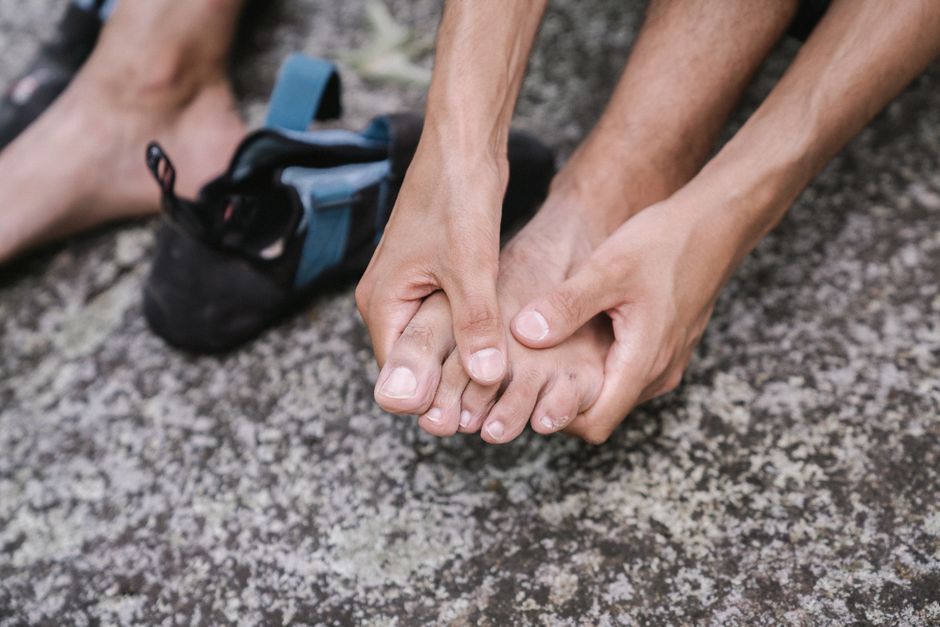
If your feet ache after a long day, simple home remedies can bring real relief. Soaking them in warm water with Epsom salt for 15 minutes reduces swelling and relaxes tight muscles. Gentle stretching, like rolling a frozen water bottle under your foot, combines cold therapy with a massage. These methods work because they address inflammation and muscle tension directly. You do not need expensive gadgets or creams to feel better.
What Causes Sore Feet in the First Place?
Foot pain usually comes from daily wear and tear. Standing for hours, walking on hard floors, or wearing shoes without support puts stress on the muscles, tendons, and ligaments in your feet. The plantar fascia — a thick band of tissue running from your heel to your toes — can get inflamed. The American Academy of Orthopaedic Surgeons notes that plantar fasciitis is one of the most common causes of heel pain.
Other causes include flat feet, high arches, or simply being on your feet more than usual. Tight calf muscles pull on your heel bone and make foot pain worse. Weight gain adds pressure too. Every extra pound puts about four pounds of force on your feet when you walk.
Some people blame “poor circulation” for sore feet. That is rarely the main issue. If your feet feel cold or look pale along with the pain, talk to a doctor. But for most people, sore feet are a mechanical problem — too much load, not enough recovery.
Does an Epsom Salt Soak Actually Help Sore Feet?
Yes, and the evidence supports it. Epsom salt is magnesium sulfate. When you dissolve it in warm water, your skin absorbs some magnesium. Research published in the journal PLOS ONE found that magnesium levels in the body increased after Epsom salt baths. Magnesium helps muscles relax and reduces inflammation.
The warm water itself is helpful too. Heat increases blood flow to the area, which brings oxygen and nutrients to tired tissues. It also helps flush out metabolic waste products like lactic acid that build up after standing or walking.
Here is how to do it right: Fill a basin with warm — not hot — water. Add about half a cup of Epsom salt. Soak your feet for 15 to 20 minutes. Do this once a day when your feet feel sore. Do not soak longer than 20 minutes. Over-soaking can dry out your skin.
If you do not have Epsom salt, plain warm water still helps. The heat alone provides real benefit. The salt just adds a little more.
How To Relieve Sore Feet Simple Home Remedies Using Ice
Cold therapy works best when inflammation is the problem. If your feet are swollen, red, or hot to the touch, ice is your first line of defense. A study in the Journal of Athletic Training found that ice reduces pain and swelling by constricting blood vessels and numbing the area.
The most effective home remedy here is the frozen water bottle roll. Freeze a plastic water bottle completely. Sit in a chair and roll it under your foot for 10 to 15 minutes. This combines cold therapy with a gentle massage that stretches the plantar fascia. It targets the exact spot where many people feel pain — the arch and heel.
Do not put ice directly on your skin. That can cause frostbite. Always wrap ice packs or frozen items in a thin towel. If you do not have a frozen bottle, a bag of frozen peas wrapped in a dish towel works just as well.
Use ice only in the first 48 hours after the pain starts or after a long day on your feet. After that, heat may work better for muscle stiffness.





What Stretches Actually Work for Sore Feet?
Stretching treats the root cause of many foot problems — tight muscles. The calf stretch is the most effective one you can do. Stand facing a wall. Place your hands on the wall at shoulder height. Step one foot back, keeping that heel on the ground. Bend your front knee. You should feel a stretch in your calf. Hold for 30 seconds. Repeat three times on each side.
The towel stretch targets the plantar fascia directly. Sit with your legs straight out. Loop a towel around the ball of your foot. Pull the towel toward you while keeping your knee straight. Hold for 30 seconds. Do this three times on each foot.
Research from the Journal of Bone and Joint Surgery found that consistent stretching reduces plantar fasciitis pain significantly over six weeks. It does not work overnight. But it works better than most creams or pads.
Do these stretches in the morning before you get out of bed. Your plantar fascia tightens overnight. Stretching before you stand up prevents that first-step pain many people feel.
Should You Use Massage or Acupressure for Sore Feet?
Massage helps sore feet by increasing blood flow and breaking up tight spots in the muscle tissue. You do not need a professional. A simple tennis ball or lacrosse ball works. Sit in a chair and roll the ball under your foot. Focus on the arch and the ball of your foot. Spend about five minutes on each foot.
Some people claim acupressure points on the foot can relieve pain in other parts of the body. The evidence for that is weak. A 2019 review in the Journal of Acupuncture and Meridian Studies found mixed results for acupressure on foot pain. It may help some people, but it is not proven for everyone.
What is proven is that massage reduces muscle tension. If you press on a sore spot and it feels better afterward, that is real. You do not need to believe in energy meridians for it to work.
Here is a comparison of common home remedies for sore feet:
| Remedy | Best For | Time Needed | Evidence Level |
|---|---|---|---|
| Epsom salt soak | General soreness, muscle tightness | 15-20 minutes | Moderate |
| Ice massage (frozen bottle) | Inflammation, sharp heel pain | 10-15 minutes | Strong |
| Calf and towel stretches | Plantar fasciitis, morning stiffness | 5-10 minutes daily | Strong |
| Tennis ball massage | Tight arches, general tension | 5-10 minutes | Moderate |
| Elevation | Swelling after long standing | 20-30 minutes | Moderate |
What Common Mistakes Make Sore Feet Worse?
Many people reach for over-the-counter pain relievers first. Ibuprofen or naproxen can help, but they treat the symptom, not the cause. Using them daily for more than a week can cause stomach problems or kidney issues. The CDC advises against long-term use of NSAIDs without a doctor’s supervision.
Another mistake is wearing the same shoes every day. Shoes lose their cushioning over time. Running shoes typically last 300 to 500 miles. If you wear them for walking or standing all day, replace them every six to twelve months.
Some people buy arch supports or insoles without knowing what type of foot they have. A high arch needs different support than a flat foot. Using the wrong insole can shift pressure to the wrong part of your foot and make pain worse. If you are not sure, a podiatrist can do a simple gait analysis.
Do not ignore pain that lasts more than two weeks. Home remedies work for most sore feet. But persistent pain could mean a stress fracture, tendonitis, or arthritis. The American Podiatric Medical Association recommends seeing a foot specialist if pain does not improve with home care after two weeks.
Can Elevation and Rest Really Help Sore Feet?
Yes, and this is the simplest remedy of all. When you stand or sit with your feet down, gravity pulls fluid into your feet and ankles. That fluid causes swelling, which puts pressure on nerves and makes feet feel sore. Lying down with your feet elevated above your heart level lets gravity drain that fluid back into your body.
Twenty to thirty minutes of elevation after a long day can reduce visible swelling. It also gives your muscles time to relax. Rest does not mean doing nothing. It means stopping the activity that caused the pain. If you stood all day, sit or lie down. If you walked five miles, stay off your feet for a while.
Rest combined with ice or heat works better than either one alone. Do your stretches or soak first, then rest with your feet up. That sequence gives your feet the best chance to recover before the next day.
What About Essential Oils or Herbal Remedies?
Some people use peppermint oil or arnica cream for sore feet. Peppermint oil contains menthol, which creates a cooling sensation that can distract from pain. A small study in the Journal of Clinical Nursing found that peppermint oil foot baths reduced fatigue in nurses after long shifts. The effect was modest.
Arnica is a plant extract used in creams for bruising and muscle soreness. The evidence is mixed. Some studies show it works slightly better than placebo for muscle pain. Others find no difference. As of 2026, there is no strong clinical evidence that arnica treats foot pain specifically.
If you like the smell or the feeling of these products, using them is fine. Just do not expect them to fix the underlying problem. They are comfort measures, not treatments. Warm water with a few drops of peppermint oil can be relaxing. That alone has value. Just be honest about what it is and is not doing.
Frequently Asked Questions
How often should I soak my sore feet in Epsom salt?
Once a day for 15 to 20 minutes is enough. More than that can dry out your skin.
Can I use a frozen water bottle every day?
Yes, but limit it to 10 to 15 minutes per foot. Wrap it in a thin towel first.
Do those foot massage machines really work?
Some people find them relaxing, but there is no strong evidence they treat foot pain better than a simple tennis ball.
When should I see a doctor for sore feet?
See a doctor if the pain lasts more than two weeks, if you have numbness or tingling, or if your foot looks red and swollen.
