
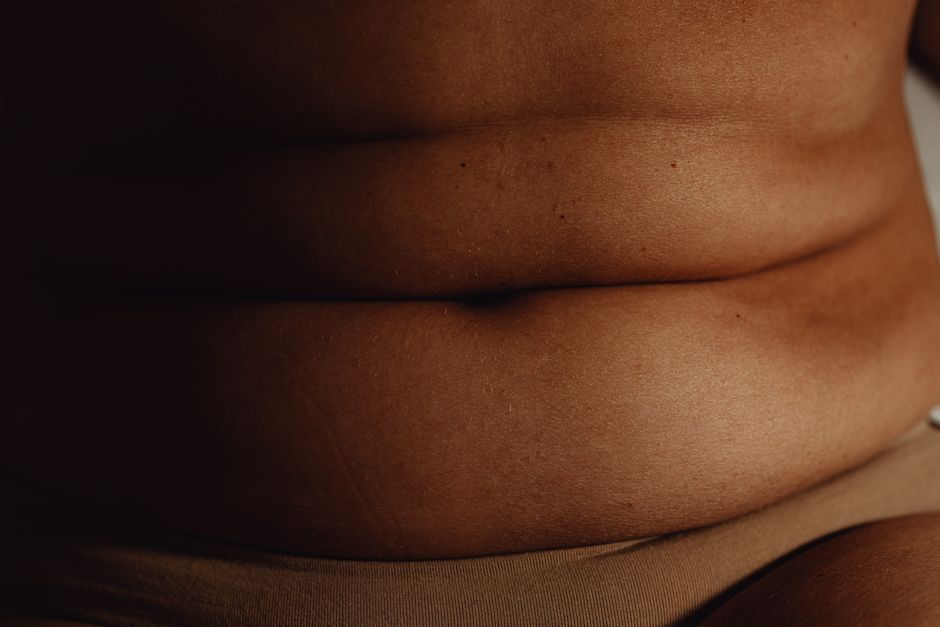
Passing gas is normal. The average person does it 13 to 21 times a day. But when gas gets trapped and won’t move, it hurts. That pressure and bloating can make you miserable. The fastest way to relieve tummy gas is to move your body, change your position, and use gentle pressure on your abdomen. Walking for five minutes, lying on your left side, and pulling your knees to your chest can help gas pass. Applying a warm compress to your belly and drinking peppermint tea are also reliable first steps. These methods work because they physically encourage gas to move through your digestive tract.
What Causes Trapped Gas in the First Place?
Gas enters your digestive system in two ways. You swallow air when you eat, drink, or chew gum. And your gut bacteria produce gas when they break down undigested food in your colon.
Most trapped gas comes from the second source. Certain foods resist digestion in the small intestine. When they reach the large intestine, bacteria ferment them. That fermentation releases hydrogen, methane, and carbon dioxide. For some people, it also releases sulfur — which causes the smell.
Common gas-producing foods include beans, lentils, broccoli, cabbage, onions, and whole grains. Carbonated drinks add air directly. Chewing gum and drinking through straws make you swallow extra air. Eating too fast does the same thing.
Some people have conditions that make trapped gas worse. Irritable bowel syndrome (IBS) affects how the gut moves gas. Small intestinal bacterial overgrowth (SIBO) causes excessive fermentation. Celiac disease and lactose intolerance prevent proper digestion of certain foods, leaving more material for bacteria to ferment.
Stress also plays a role. When you are anxious, your breathing changes. You may swallow more air. Your gut also moves more slowly under stress, giving gas more time to build up and cause pain.
How To Relieve Tummy Gas Step by Step
Start with movement. Walking is the simplest and most effective first step. A 2019 study published in the American Journal of Gastroenterology found that walking helped people with IBS pass gas more easily. Even five to ten minutes of walking can make a difference. The gentle jostling helps gas bubbles move through the intestines.
Next, change your position. Lying on your left side helps gas move through the natural curve of your colon. Research using X-ray imaging has shown that gas moves out of the stomach and into the intestines faster when people lie on their left side compared to their right side or back.
The knee-to-chest pose also works. Lie on your back and pull both knees toward your chest. Hold for 30 seconds. This compresses the abdomen and creates pressure that can push gas through. The child’s pose from yoga — kneeling with your torso resting on your thighs — does the same thing.
Apply heat. A warm compress, heating pad, or hot water bottle on your abdomen relaxes the muscles of the intestinal wall. Relaxed muscles allow gas to move more freely. Keep the heat on for 15 to 20 minutes. Do not use heat if you have any abdominal swelling or tenderness that feels different from normal gas pain.
Drink something warm. Peppermint tea is the most studied option. Peppermint oil relaxes the smooth muscle of the digestive tract. A 2014 review in the Journal of Clinical Gastroenterology found that peppermint oil significantly reduced abdominal pain and bloating in people with IBS. Ginger tea also helps. Ginger speeds up gastric emptying, which means food and gas leave the stomach faster.
Take over-the-counter simethicone if movement and heat are not enough. Simethicone (Gas-X, Mylanta) works by breaking up gas bubbles so they can merge and pass more easily. Evidence for simethicone is mixed. Some studies show benefit for bloating. Others show little difference from placebo. It is safe to try, but do not expect guaranteed relief.
What Foods Make Trapped Gas Worse?
Avoiding certain foods during a gas episode can prevent things from getting worse. Carbonated drinks add more air directly into your stomach. Beer and sparkling water do the same. Skip them until the gas passes.
Fried and fatty foods slow down stomach emptying. The longer food stays in your stomach, the more time gas has to build up. Greasy restaurant food is a common trigger. So are heavy cream sauces and deep-fried anything.
Beans and lentils are notorious gas producers because they contain complex sugars called oligosaccharides. Your body lacks the enzyme to digest them. Bacteria in your colon ferment them aggressively. If you eat beans regularly, your body adapts and produces less gas over time. But during an acute gas episode, beans will make things worse.
Artificial sweeteners are a hidden source of gas. Sorbitol, xylitol, and mannitol are common in sugar-free gum, candies, and some protein bars. They are poorly absorbed in the small intestine. Bacteria ferment them in the colon, producing significant gas. Check labels if you chew gum regularly and have frequent gas problems.
Dairy products cause gas in people with lactose intolerance. About 65 percent of the global population has reduced lactase activity after childhood. If you are lactose intolerant, undigested lactose reaches the colon and ferments. This produces gas, bloating, and diarrhea. Hard cheeses and yogurt have less lactose than milk and ice cream.





What Does the Research Say About Gas Relief Methods?
Research on gas relief is surprisingly limited for such a common problem. Most studies focus on people with IBS rather than healthy adults with occasional gas. That matters because the causes of gas in IBS may be different.
Peppermint oil has the strongest evidence. A 2019 meta-analysis in BMC Complementary Medicine and Therapies reviewed 12 studies and found that peppermint oil significantly reduced abdominal pain and bloating. The effect was strongest in people with IBS. The studies used enteric-coated capsules that release the oil in the intestines rather than the stomach.
Activated charcoal is widely claimed to reduce gas, but the evidence is weak. Some small studies show modest reductions in breath hydrogen levels after a gas-producing meal. But other studies show no effect on bloating or discomfort. As of 2026, no large clinical trial has confirmed that activated charcoal reliably relieves trapped gas.
Probiotics have mixed evidence. Different strains have different effects. Bifidobacterium infantis and Lactobacillus plantarum have shown some benefit for bloating in people with IBS. But the effects are modest and take weeks to appear. Probiotics will not help with an acute gas episode that started ten minutes ago.
Abdominal massage has some support. A 2015 study in Gastroenterology Nursing found that daily abdominal massage reduced bloating and improved quality of life in people with chronic constipation. The massage technique involves gentle clockwise circles starting at the lower right abdomen. This follows the path of the colon. The effect is mechanical — it physically pushes gas along.
Be skeptical of any product that claims to “eliminate” gas or “cure” bloating. Gas is a normal byproduct of digestion. No intervention stops it completely. The goal is relief from trapped gas that causes pain, not elimination of all gas.
When Should You See a Doctor About Gas Pain?
Occasional trapped gas is normal. But some symptoms should not be ignored. See a doctor if you have gas pain that is severe enough to wake you from sleep. Pain that wakes you up is rarely caused by simple gas.
See a doctor if your gas pain is accompanied by unexplained weight loss, blood in your stool, or a change in bowel habits that lasts more than three weeks. These symptoms can indicate something more serious than trapped gas.
If you have persistent bloating that does not go away after passing gas, mention it to your doctor. Ovarian cancer can present with persistent bloating as an early symptom. The American Cancer Society notes that bloating that lasts for more than two weeks per month should be evaluated, especially in women over 50.
Sudden, severe abdominal pain with a rigid or tender belly is a medical emergency. Do not try home remedies. Go to an emergency room. This could be a sign of a bowel obstruction, pancreatitis, or appendicitis.
If you have frequent gas that interferes with your daily life, ask your doctor about testing for lactose intolerance, celiac disease, or SIBO. These conditions are treatable. Treating the underlying cause often resolves the gas problem completely.
| Method | How It Works | Evidence Level | Time to Relief |
|---|---|---|---|
| Walking | Physical movement helps gas move through intestines | Moderate | 5-15 minutes |
| Left side lying | Gravity helps gas pass through colon’s natural curve | Moderate | Immediate to 10 minutes |
| Knee-to-chest pose | Abdominal compression pushes gas through | Weak | 1-5 minutes |
| Warm compress | Relaxes intestinal muscle wall | Weak | 15-20 minutes |
| Peppermint tea | Relaxes smooth muscle in digestive tract | Strong for IBS | 15-30 minutes |
| Simethicone | Breaks up gas bubbles | Mixed | 30-60 minutes |
| Activated charcoal | Absorbs gas in the intestines | Weak | Unclear |
Common Misconceptions About Gas Relief
One common myth is that holding in gas is harmful. It is not. Holding in gas causes discomfort but no damage. The gas eventually passes on its own or gets reabsorbed into the bloodstream and exhaled through the lungs. It does not cause toxins to leak into your body.
Another myth is that drinking apple cider vinegar relieves gas. There is no clinical evidence for this. Apple cider vinegar is acidic. Some people report that it helps their digestion, but no controlled study has shown it reduces gas or bloating. It can also erode tooth enamel if used regularly.
The idea that you can “cleanse” or “detox” your colon to prevent gas is not supported by evidence. Your body already removes waste efficiently. Colon cleanses can actually disrupt your gut bacteria and cause more gas. The Federal Trade Commission has taken action against companies that made false claims about colon cleansing products.
Some people believe that swallowing less air prevents all gas. Swallowing less air does reduce one source of gas, but it does nothing about the gas produced by fermentation in the colon. Most trapped gas comes from fermentation, not from swallowed air. Chewing with your mouth closed and eating slowly are good habits, but they will not eliminate gas entirely.
What to Avoid When You Have Trapped Gas
Do not take antacids for gas pain unless you also have heartburn. Antacids neutralize stomach acid but do nothing for gas. Some antacids contain simethicone, which is the gas-relieving ingredient. If you need simethicone, buy plain simethicone instead of an antacid combination product.
Do not lie flat on your back. This position traps gas in the upper abdomen and makes the pain worse. If you need to rest, lie on your left side with your knees slightly bent. This gives gas the best path out of your system.
Avoid wearing tight clothing around your waist. Belts, shapewear, and tight pants compress the abdomen and can trap gas. Loosen your waistband or change into loose clothing if you feel gas building up.
Do not take laxatives for gas pain. Laxatives stimulate bowel movements, not gas passage. They can cause cramping that makes gas pain feel worse. Laxatives are for constipation, not for trapped gas.
Do not use enemas or suppositories for simple gas. These are designed to empty the rectum. Trapped gas is usually higher up in the colon. Enemas will not reach it and can cause unnecessary discomfort.
Frequently Asked Questions
How long does trapped gas usually last?
Most trapped gas resolves within 30 to 60 minutes with movement and position changes. If it lasts longer than a few hours, try a warm compress and peppermint tea.
Can drinking water help relieve gas?
Water helps digestion but will not directly relieve trapped gas. Warm water may help relax the digestive tract slightly. Carbonated water adds more gas and should be avoided.
Is it safe to exercise with trapped gas?
Yes. Light exercise like walking or gentle yoga is safe and helps gas pass. Avoid intense abdominal exercises like crunches or sit-ups, which can increase discomfort.
What is the fastest way to get rid of gas pain?
Walking for five minutes combined with lying on your left side is the fastest evidence-supported method. Adding a warm compress can speed relief further.
