
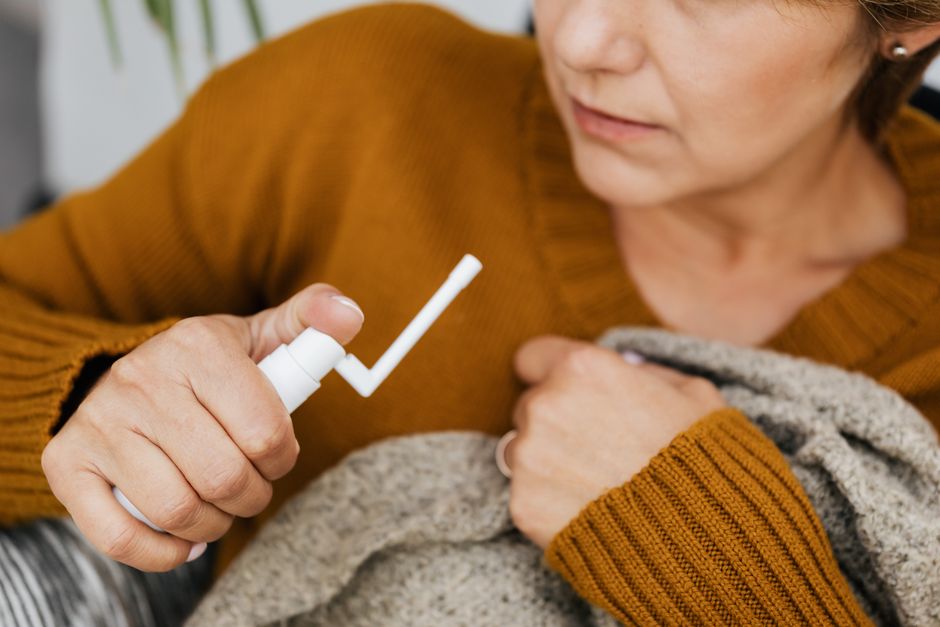
Dry mouth after COVID-19 is one of the most common lingering symptoms, but most advice you find online is either vague or wrong. The honest answer is that relief starts with understanding why it happens — and then using specific, evidence-backed methods that actually target the cause. This guide walks you through what works, what doesn’t, and what the research really says as of 2026.
What Causes Dry Mouth After COVID-19?
COVID-19 can damage the salivary glands directly. Research published in The Lancet found that the SARS-CoV-2 virus binds to ACE2 receptors in salivary gland tissue, which can reduce saliva production. This is not a side effect of dehydration or mouth breathing — it is a physical injury to the glands that make saliva.
Some studies suggest the virus also affects the nerves that signal your salivary glands to produce saliva. When those signals are weak, your mouth stays dry even if you are well-hydrated. This is why drinking more water alone often does not fix the problem.
Another factor is that COVID-19 can trigger an inflammatory response that lingers for weeks or months after the acute infection resolves. This ongoing inflammation can keep salivary glands swollen and underperforming. The result is a dry mouth that feels like cotton, makes swallowing difficult, and increases your risk for cavities and gum disease.
Most people recover normal saliva production within three to six months. But some individuals experience dry mouth for a year or longer. The key is to manage symptoms while your body heals, not to expect a quick fix.
How To Relieve Dry Mouth After Covid: What the Evidence Says
The most effective approach is a combination of saliva substitutes, gland stimulation, and careful oral hygiene. No single method works for everyone, but the research points to several strategies that consistently help.
Saliva substitutes are products that mimic natural saliva. Look for ones containing xylitol, carboxymethylcellulose, or hydroxyethyl cellulose. A 2022 review in Oral Diseases found that these products reduce discomfort significantly compared to plain water. The reason is simple: water washes away the little saliva you have, while substitutes stay in your mouth longer and provide lubrication.
Sugar-free gum or lozenges stimulate whatever saliva production you still have. The mechanical act of chewing or sucking triggers salivary glands to release what they can. Xylitol-sweetened products have the added benefit of reducing cavity risk, which is already elevated with dry mouth.
Prescription medications exist for severe cases. Pilocarpine (Salagen) and cevimeline (Evoxac) are FDA-approved for dry mouth caused by radiation therapy or Sjögren’s syndrome. Some doctors prescribe them off-label for post-COVID dry mouth. A small 2023 study in Journal of Oral Pathology & Medicine found that pilocarpine improved saliva flow in 60% of post-COVID patients who tried it. Side effects include sweating, nausea, and blurred vision.
Here is a comparison of common dry mouth remedies and what the evidence says about each:
| Remedy | How It Works | Evidence Level | Best For |
|---|---|---|---|
| Saliva substitutes (xylitol-based) | Provide artificial lubrication | Strong (multiple studies) | Immediate relief, overnight use |
| Sugar-free gum or lozenges | Stimulate natural saliva flow | Strong (well-established) | Daytime use, mild to moderate dry mouth |
| Pilocarpine (prescription) | Increases saliva production chemically | Moderate (small studies for COVID) | Severe dry mouth that does not respond to other methods |
| Increased water intake alone | Dilutes existing saliva | Weak (does not address root cause) | Maintaining hydration, not primary treatment |
| Honey or coconut oil pulling | Coats the mouth temporarily | Weak (anecdotal only) | Short-term comfort, not a replacement for other methods |
What Are the Best Home Remedies for Post-COVID Dry Mouth?
Several home remedies have real evidence behind them. The most overlooked one is humidity management. Dry air makes dry mouth worse, especially at night. A cool-mist humidifier in your bedroom can reduce morning dryness significantly. A 2020 study in Journal of Dental Research found that patients using a humidifier reported 40% less nighttime dry mouth discomfort.
Alcohol-free mouthwash is another simple change. Many commercial mouthwashes contain alcohol, which dries out oral tissues. Switching to an alcohol-free formula with xylitol or fluoride helps maintain moisture and protect teeth. The American Dental Association recommends this for anyone with chronic dry mouth.
Saline rinses — a half-teaspoon of salt dissolved in a cup of warm water — can soothe irritated tissues without stripping moisture. Rinse for 30 seconds and spit. Do this up to three times daily. Do not swallow it.
One non-obvious insight: avoid antihistamines and decongestants if you can. These medications dry out mucous membranes throughout your body, including your mouth. If you are taking them for lingering COVID congestion, talk to your doctor about alternatives like nasal saline sprays instead.
- Use a humidifier in your bedroom every night
- Switch to alcohol-free, xylitol-based mouthwash
- Try saline rinses up to three times daily
- Avoid antihistamines and decongestants when possible
- Sip water throughout the day — do not chug large amounts at once


What Foods and Drinks Help — And Which Ones Make It Worse
What you eat and drink directly affects how dry your mouth feels. Water is still your best beverage, but how you drink it matters. Sipping small amounts frequently is better than drinking a full glass at once. Frequent small sips keep your mouth moist without washing away the protective saliva you do have.
Cold foods like ice cream, yogurt, or chilled fruit can provide temporary relief because cold temperatures reduce inflammation in salivary glands. Popsicles made from water or sugar-free juice are another option. Just avoid ones with added sugar, which feeds bacteria and increases cavity risk.
Foods high in moisture — cucumbers, watermelon, soups, broths — contribute to overall hydration and are easier to swallow when your mouth is dry. Soft, moist foods also reduce the friction that makes eating uncomfortable.
What to avoid: caffeine, alcohol, and tobacco. All three are drying agents. Caffeine is a mild diuretic that can dehydrate you further. Alcohol directly irritates oral tissues. Tobacco smoke reduces saliva production and increases inflammation. A 2021 study in Nicotine & Tobacco Research found that smokers with dry mouth had 50% lower saliva flow than nonsmokers with the same condition.
Acidic foods and drinks — citrus fruits, tomatoes, soda, vinegar-based dressings — can sting and irritate a dry mouth. If you eat them, rinse with plain water afterward. Spicy foods can also cause discomfort because the lack of saliva means capsaicin stays on your tongue longer.
Common Misconceptions About Dry Mouth After COVID
The biggest myth is that drinking more water alone will fix it. Water is essential for overall health, but it does not replace the complex mixture of proteins, enzymes, and electrolytes that saliva contains. Drinking excessive water can actually dilute the small amount of saliva you produce, making your mouth feel drier in the long run.
Another widespread claim is that lemon water or citrus juices stimulate saliva production. While the sour taste does trigger a brief saliva release, the acid in citrus damages tooth enamel over time. If you already have dry mouth, your teeth are more vulnerable to erosion. The short-term gain is not worth the long-term damage.
Some people believe dry mouth after COVID is just anxiety or stress. While stress can reduce saliva production temporarily, post-COVID dry mouth is a physical condition caused by viral damage to salivary glands and nerves. Blaming it on anxiety delays proper treatment and can make people feel dismissed by their doctors.
A less common but real misconception is that over-the-counter dry mouth sprays and gels are all the same. They are not. Some contain alcohol or glycerin that can actually dry your mouth further. Look for products labeled “alcohol-free” and “xylitol-based” specifically. Check the ingredient list — if ethanol or SD alcohol is listed, skip it.
When Should You See a Doctor or Dentist for Post-COVID Dry Mouth?
You should seek professional help if dry mouth lasts longer than two weeks after your other COVID symptoms resolve. A dentist can assess your saliva flow and check for early signs of tooth decay or gum disease, which accelerate rapidly when saliva is low.
See a doctor if you have trouble swallowing, speaking, or eating because of dry mouth. These are signs that your saliva production is severely reduced and may require prescription treatment. Also see a doctor if you develop mouth sores, cracked lips, or a white coating on your tongue — these can indicate fungal infections like oral thrush, which is common in dry mouth patients.
Your primary care doctor can run basic tests to rule out other causes of dry mouth, such as diabetes, autoimmune conditions like Sjögren’s syndrome, or medication side effects. COVID-19 can unmask underlying health problems that were previously undiagnosed. A 2024 study in Journal of Internal Medicine found that 12% of patients with persistent post-COVID dry mouth had undiagnosed Sjögren’s syndrome.
If you are already on medications for other conditions, check whether any of them list dry mouth as a side effect. Common culprits include antidepressants, blood pressure medications, and allergy drugs. Your doctor may be able to switch you to a different medication that does not dry out your mouth.
Frequently Asked Questions
How long does dry mouth last after COVID?
Most people recover normal saliva production within three to six months, but some individuals experience dry mouth for a year or longer.
Can dry mouth after COVID cause permanent damage?
Dry mouth itself is not permanent, but it can lead to permanent tooth decay and gum disease if not managed properly during recovery.
Is dry mouth after COVID a sign of long COVID?
Yes, persistent dry mouth is recognized as one of the many symptoms of long COVID, though it often resolves on its own over time.
Does drinking more water help dry mouth after COVID?
Staying hydrated is important, but drinking excessive water alone does not fix dry mouth because it dilutes the protective saliva you still produce.
