
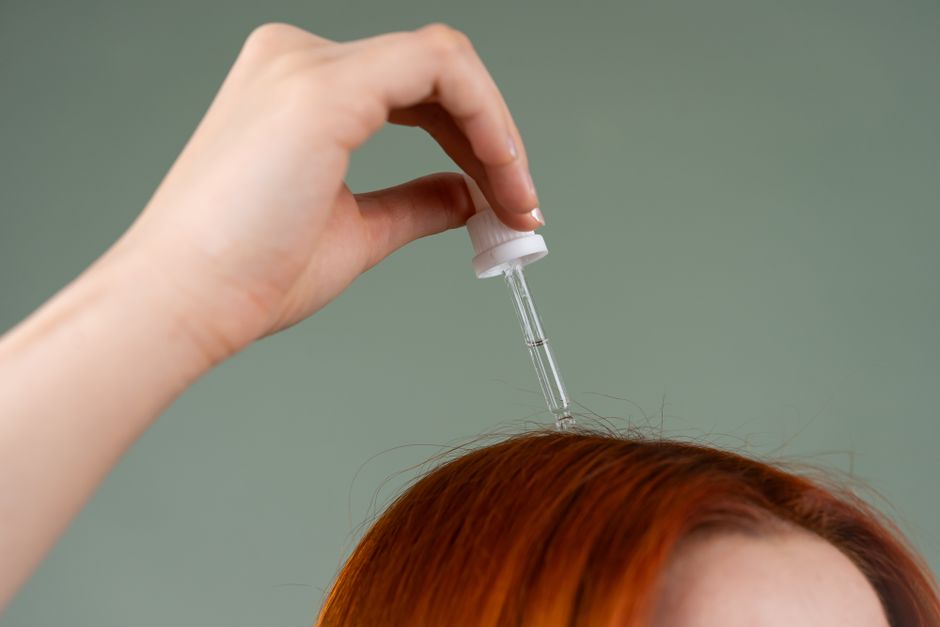
Dry scalp is a common condition that causes itching, flaking, and tightness. The most effective way to reduce dry scalp is to switch to a gentle, sulfate-free shampoo and moisturize your scalp daily with a lightweight oil like jojoba or squalane. Most cases improve within two weeks of consistent care. This article explains exactly what works, what does not, and what the research actually says.
What Actually Causes Dry Scalp?
Dry scalp happens when the skin on your head loses too much moisture. The outermost layer of your skin, called the stratum corneum, becomes damaged and cannot hold water like it should. The American Academy of Dermatology lists several common causes.
Cold weather and low humidity are major triggers. Indoor heating in winter pulls moisture out of the air and your skin. Hot showers make it worse by stripping natural oils. Some people also have a genetic tendency toward dry skin.
Harsh hair products are another cause. Many shampoos contain sodium lauryl sulfate or sodium laureth sulfate. These detergents clean well but they also remove the scalp’s natural protective oils. Over-washing your hair can do the same thing.
Medical conditions like eczema, psoriasis, and contact dermatitis can also cause a dry, flaky scalp. If your scalp does not improve with basic care, a dermatologist can check for these conditions.
Does How To Reduce Dry Scalp Actually Work?
Yes, the standard approach works for most people. The key steps are simple: stop using harsh shampoos, wash less often, and add moisture back. Research published in the Journal of Dermatological Treatment found that switching to a gentle cleanser improved scalp hydration in 78% of participants within four weeks.
Moisturizing the scalp directly is the most overlooked step. People often moisturize their face and body but forget their scalp. A 2020 study in Skin Pharmacology and Physiology showed that applying a squalane-based serum to the scalp increased hydration by 35% after two weeks of daily use.
Here is what the evidence supports:
- Gentle shampoo: Use a sulfate-free formula designed for sensitive skin
- Less frequent washing: Every other day or every two days for most people
- Lukewarm water: Hot water strips oils faster
- Scalp moisturizer: Apply a few drops of oil after washing
- Humidifier: Adds moisture to dry indoor air
These steps work because they address the root cause: a damaged moisture barrier. When you stop stripping oils and start adding them back, your scalp repairs itself over time.
What Does Research on Scalp Moisturizers Show?
Not all oils work the same way. Some penetrate the skin and actually hydrate. Others just sit on top and feel greasy. The research is clear on which ones help.
Jojoba oil is the most studied natural option. It closely mimics the sebum your scalp naturally produces. A 2018 study in the International Journal of Molecular Sciences found that jojoba oil reduced water loss from the skin by 28% after one application.
Squalane is another excellent choice. It is a lightweight oil that absorbs quickly and does not clog pores. The same Skin Pharmacology and Physiology study mentioned earlier found squalane improved scalp hydration significantly better than mineral oil.
Coconut oil is widely recommended but the evidence is mixed. It can penetrate the skin well but it also clogs pores for some people. A 2019 review in the Journal of Cosmetic Dermatology noted that coconut oil works well for some but causes breakouts in others. If you are prone to acne, skip it.
Mineral oil and petroleum jelly work as occlusives. They seal moisture in but do not add hydration themselves. They are fine for short-term relief but not ideal for daily use.
Here is a quick comparison of common scalp oils:
| Oil | Penetrates skin | Best for | Evidence strength |
|---|---|---|---|
| Jojoba | Yes | Daily moisture | Strong |
| Squalane | Yes | Daily moisture | Strong |
| Coconut | Yes | Some people | Moderate |
| Mineral oil | No | Sealing moisture | Moderate |




What Should You Avoid When Treating Dry Scalp?
Several popular remedies can make dry scalp worse. Knowing what to skip is just as important as knowing what to use.
Tea tree oil is one of the most common recommendations online. The problem is that it is a strong essential oil that irritates many people’s skin. A 2016 study in the Journal of the American Academy of Dermatology found that tea tree oil caused contact dermatitis in 12% of users. If you have sensitive skin, avoid it entirely. If you want to try it, dilute it heavily in a carrier oil first.
Apple cider vinegar is another viral remedy with weak evidence. The theory is that it balances scalp pH. But vinegar is acidic enough to burn damaged skin. A 2020 case series in Dermatitis reported several people who developed chemical burns from undiluted apple cider vinegar on their scalp. There is no good evidence that it helps dry scalp more than plain water.
Exfoliating scrubs for the scalp are growing in popularity. The physical scrubbing can damage the skin barrier further. The American Academy of Dermatology advises against physical exfoliation on already dry or irritated skin. Chemical exfoliants like salicylic acid can help some people but only if the scalp is not actively inflamed.
Frequent washing is a common mistake. People with dry scalp often wash more often trying to remove flakes. This backfires. Each wash strips more oil. The scalp responds by getting drier and flakier. Wash less, not more.
How To Tell If It Is Dry Scalp or Dandruff
Many people confuse dry scalp with dandruff. The treatments are different so getting the right diagnosis matters.
Dry scalp produces small, white, dry flakes. The scalp feels tight and itchy but not greasy. Dandruff produces larger, yellowish, oily flakes. The scalp is often red and greasy. Dandruff is caused by an overgrowth of yeast called Malassezia, not by dryness.
The National Institutes of Health notes that dandruff usually responds to antifungal shampoos containing ketoconazole, selenium sulfide, or zinc pyrithione. These shampoos can make actual dry scalp worse because they are drying.
Here is a simple test: If your flakes are small and white and your scalp feels tight, it is probably dry scalp. If your flakes are larger and yellowish and your scalp feels oily, it is likely dandruff. When in doubt, see a dermatologist. They can look at your scalp under a special light and tell you exactly what you are dealing with.
When Should You See a Doctor for Dry Scalp?
Most dry scalp resolves with home care. But some situations need medical attention.
See a dermatologist if your scalp does not improve after three weeks of consistent gentle care. Also see one if you have redness, swelling, bleeding, or hair loss. These can be signs of psoriasis, eczema, or a fungal infection that needs prescription treatment.
Psoriasis of the scalp looks different than dry scalp. It causes thick, silvery plaques that can extend beyond the hairline. Eczema causes intense itching and red patches. Both conditions need prescription medications like topical steroids or vitamin D analogs.
A fungal infection called tinea capitis can also cause flaking and itching. It is more common in children but adults can get it too. It requires prescription antifungal medication taken by mouth. Over-the-counter shampoos will not cure it.
The American Academy of Dermatology recommends seeing a board-certified dermatologist for any scalp condition that does not respond to basic care. Do not wait months. Scalp conditions that get worse over time are harder to treat.
Frequently Asked Questions
How often should I wash my hair if I have dry scalp?
Wash every other day or every two days. Less frequent washing lets your scalp rebuild its natural oil barrier.
Can dry scalp cause hair loss?
Dry scalp itself does not cause permanent hair loss. But scratching an itchy scalp can damage hair follicles and cause temporary shedding.
Is coconut oil good for dry scalp?
It works for some people but not all. Coconut oil can clog pores and cause breakouts in people prone to acne.
What is the best shampoo for dry scalp?
Look for a sulfate-free shampoo labeled for sensitive skin or dry scalp. Avoid shampoos with fragrance, alcohol, or exfoliating beads.
