
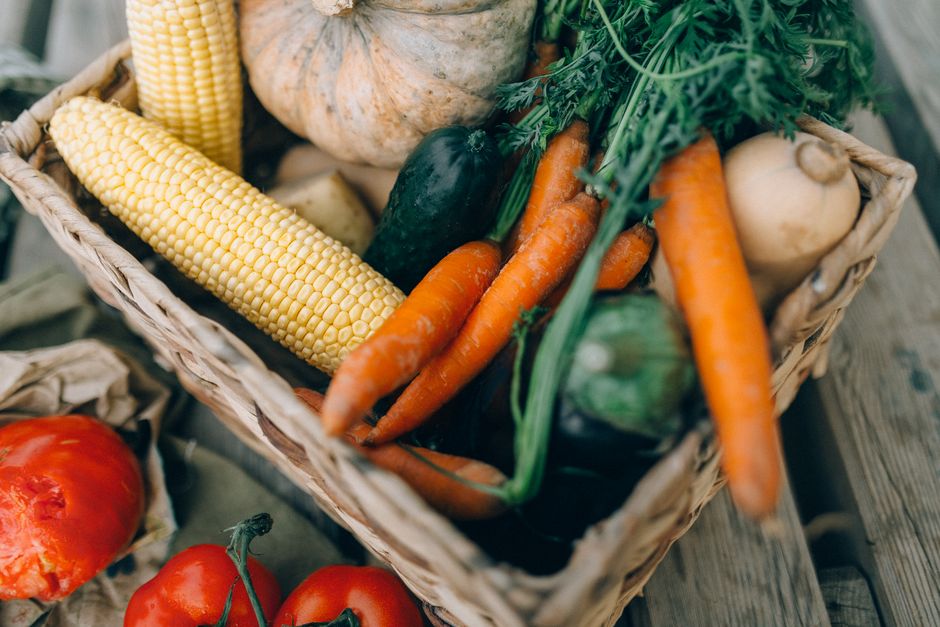
You grab a pot of boiling water, drop in fresh corn, and then stare at the clock wondering if it is ready. The difference between perfect corn and a soggy mess is about two minutes. Here is the direct answer: corn on the cob is done when the kernels are tender but still have a slight crunch. For most fresh corn, that happens after boiling for 4 to 5 minutes. For grilled corn, look for char marks and kernels that have turned a deeper yellow. The easiest test? Pierce a kernel with a fork. If it gives way easily but does not fall apart, it is done. Do not rely on floating or color alone. Use time and texture as your real guides.
What Is the Boiling Time for Perfect Corn on the Cob?
Boiling is the most common method, and the timing matters more than people think. Research from the University of Nebraska-Lincoln’s extension program shows that fresh sweet corn only needs 4 to 5 minutes in boiling water. That is it. Anything longer and you start losing the natural sugars, which turn into starch as they break down.
Many older recipes say 10 to 15 minutes. Those recipes were written for older corn varieties that were tougher and less sweet. Modern sweet corn hybrids are bred to be tender and sugary. Overcooking them ruins the texture.
If your corn is not super fresh — meaning it was picked more than a few days ago — add one extra minute. That is it. Do not go beyond 6 minutes total for most corn. The kernels should be bright yellow or white, plump, and release a milky liquid when you bite into them.
How To Tell If Corn On The Cob Is Done Without a Timer
You lose track of time. It happens. The good news is you can check corn without a stopwatch. The most reliable method is the fork test. Take a fork and pierce one kernel near the middle of the cob. If the fork slides in with mild resistance, the corn is done. If it slides in like butter, it is overdone. If it resists firmly, it needs another minute.
Another visual clue is kernel color. Raw corn kernels look pale and slightly translucent. Cooked kernels turn a deeper, more opaque shade. For yellow corn, they go from light yellow to golden. For white corn, they shift from almost clear to creamy white.
Some people say the corn will float when it is done. That is not reliable. Air trapped under the husk can make raw corn float. Use the fork test instead.
Does Grilling Change How To Tell If Corn On The Cob Is Done?
Grilled corn follows different rules. You are not submerging it in water, so the cooking process is uneven by design. The goal is charred kernels on the outside and tender kernels inside. Grilled corn is typically done after 10 to 15 minutes over medium heat, turning every 3 to 4 minutes.
The best way to check grilled corn is by look and feel. The husk should be blackened in spots. Peel it back carefully. The kernels should have brown char marks on about 20 to 30 percent of their surface. Press a kernel with your thumb. It should feel soft but not mushy.
If you grill corn in the husk, soak it in cold water for 15 minutes first. This creates steam inside the husk and prevents the kernels from drying out. Check doneness by pulling back one corner of the husk. If the kernels at the tip are tender, the whole cob is ready.





What About Microwave, Steaming, and Air Fryer Methods?
These methods work fine but require different timing. For the microwave, leave the husk on. Cook one ear for 3 to 4 minutes on high. Let it rest for 2 minutes before peeling. The steam trapped inside finishes the cooking. The kernels should be hot throughout and tender when pierced.
Steaming takes longer than boiling but preserves more flavor. Place shucked corn in a steamer basket over one inch of boiling water. Cover and steam for 6 to 8 minutes. Check by piercing a kernel. It should be tender but not falling apart.
Air fryers are popular but tricky with corn. Cook at 375°F for 8 to 10 minutes, turning halfway. The kernels will brown slightly. Check by pressing one with a fork. If it gives easily, it is done. Air fryers dry out corn faster than other methods, so brush with butter or oil before cooking.
| Method | Time | Doneness Test |
|---|---|---|
| Boiling | 4-5 minutes | Fork pierces kernel with slight resistance |
| Grilling | 10-15 minutes | Char marks on 20-30% of kernels, soft to touch |
| Microwave | 3-4 minutes per ear | Kernels hot and tender after 2-minute rest |
| Steaming | 6-8 minutes | Fork pierces kernel easily |
| Air Fryer | 8-10 minutes at 375°F | Kernel gives way when pressed |
What Mistakes Make Corn Overcooked or Undercooked?
The biggest mistake is boiling corn too long. People think more time means more cooked, but corn is not like potatoes. It does not need to break down. Overcooked corn becomes chewy and loses sweetness because the sugars convert to starch. The USDA notes that overcooked corn also loses water-soluble vitamins like vitamin C and some B vitamins.
Another common error is adding salt to the boiling water. Salt toughens the kernels. It draws out moisture and makes the outer skin of each kernel firm. Add salt after cooking, not during.
People also forget that corn continues cooking after you remove it from heat. Residual heat in the kernels keeps working for about 2 minutes. Pull the corn out just before you think it is perfect. Let it rest for one minute. It will finish cooking to the ideal point.
Undercooked corn is less common but happens with thick ears. If the cob feels rock hard when you pierce it, return it to the water for one more minute. Test again. Thicker ears may need 6 minutes instead of 4.
Does Corn Variety Change How You Tell If It Is Done?
Yes, and this matters more than most people realize. Sweet corn comes in three main types: standard (su), sugar-enhanced (se), and supersweet (sh2). Each cooks differently. Standard sweet corn is the oldest type and becomes starchy quickly. It needs the shortest cooking time — about 3 to 4 minutes. Sugar-enhanced corn holds its sweetness longer and can handle 4 to 5 minutes. Supersweet corn is bred for high sugar content and stays sweet even with 5 to 6 minutes of boiling.
Supersweet corn is the most common type found in grocery stores. It has a tougher outer skin on each kernel. That means it can withstand slightly longer cooking without turning mushy. But do not push past 6 minutes.
Field corn and ornamental corn are not meant for eating fresh. They are used for flour, animal feed, or decoration. Do not try to cook those. They will be tough and starchy no matter how long you boil them.
If you buy corn from a farmers market, ask the grower what variety it is. Most farmers know and will tell you the best cooking time. If you cannot find out, start with 4 minutes and test.
Common Misconceptions About Cooking Corn
One myth is that you must add sugar to the water. Some people believe this boosts sweetness. It does not. The sugar in the water cannot penetrate the kernel’s outer skin. You are just sweetening the water, not the corn. If your corn tastes bland, it is either overcooked or past its prime.
Another myth is that corn should be boiled with the husk on. That works for grilling but not boiling. The husk traps water and makes the kernels steam unevenly. You end up with some kernels overcooked and some undercooked. Shuck the corn before boiling.
A third myth is that you can tell corn is done when the silk falls off easily. That is not a reliable test. Silk loosens from heat but does not indicate doneness. Some silks fall off after 2 minutes, some hold on for 10. Use the fork test.
Some people also believe that frozen corn needs to be thawed before cooking. That is not necessary. Drop frozen corn directly into boiling water and cook for 5 to 7 minutes. Test the same way — pierce a kernel with a fork.
How To Keep Corn Warm Without Overcooking It
You cook a big batch for a barbecue but not everyone eats at the same time. Keeping corn warm without ruining it is tricky. The best method is to transfer the cooked corn to a slow cooker set on warm. Add a few tablespoons of water to the bottom. Cover and hold for up to 30 minutes. Do not leave it longer or the kernels will soften too much.
Another option is to wrap each ear in aluminum foil after cooking. Place the wrapped ears in a clean towel inside a cooler. The insulation keeps them warm for about 20 minutes without additional cooking.
Do not leave corn sitting in hot water. That continues cooking the kernels. If you must hold it in water, use water that is warm but not hot — around 140°F. This keeps the corn warm without further cooking. Check the temperature with a kitchen thermometer if you have one.
Frequently Asked Questions
How can you tell if corn on the cob is done without cutting it?
Pierce a kernel with a fork near the middle of the cob. If the fork slides in with slight resistance, the corn is done. If it resists firmly, cook for one more minute.
Is it better to boil corn with or without the husk?
Boil corn without the husk. The husk traps water and causes uneven cooking. Remove the husk and silk before boiling for even results.
Can you overcook corn on the cob?
Yes. Overcooked corn becomes chewy and loses sweetness. Boil fresh corn for 4 to 5 minutes maximum. Pull it out just before it seems fully done because residual heat finishes cooking.
Does adding salt to the water help cook corn?
No. Salt toughens the outer skin of the kernels. Add salt after cooking instead of during boiling for the best texture.
