
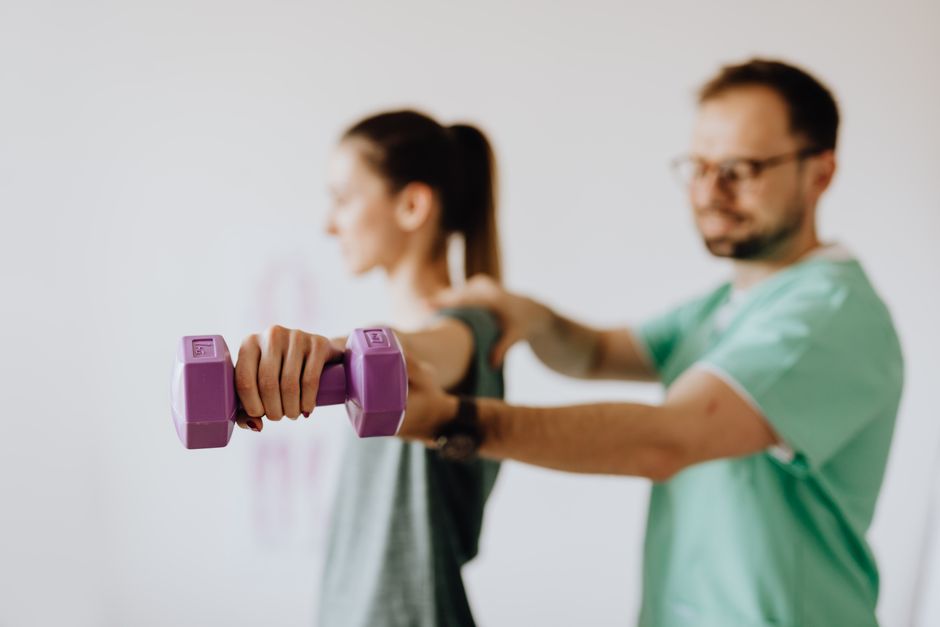
Rotator cuff pain can turn simple tasks like reaching for a coffee cup or brushing your hair into a sharp, frustrating experience. The essential guide to reducing this pain at home involves a combination of rest, targeted ice or heat therapy, and specific gentle exercises that do not aggravate the injury. Most cases of rotator cuff pain, especially those from overuse or minor strains, can be managed effectively at home without surgery or a doctor’s visit, though knowing when to seek professional help is just as important.
What Exactly Is the Rotator Cuff and Why Does It Hurt?
The rotator cuff is a group of four muscles and their tendons that wrap around the top of your upper arm bone, holding it securely in the shoulder socket. These muscles are responsible for lifting and rotating your arm. When they become irritated, inflamed, or partially torn, you feel pain, especially with overhead movements or when lying on the affected side.
Common causes of rotator cuff pain include repetitive overhead motions from sports like swimming or tennis, poor posture that pinches the tendons, or a sudden injury from lifting something heavy. Age is a factor too. The American Academy of Orthopaedic Surgeons notes that rotator cuff problems become more common after age 40 as tendons naturally weaken. Understanding the cause matters because it guides what home treatments will actually help versus what might make things worse.
One non-obvious point: not all shoulder pain is rotator cuff pain. The shoulder is a complex joint, and pain can come from the biceps tendon, the labrum, or even referred pain from your neck or gallbladder. If your pain is accompanied by numbness, tingling, or chest discomfort, that is not something to treat at home. Those are signs to see a doctor.
How To Reduce Rotator Cuff Pain At Home: The First 48 Hours
In the first two days after pain starts, the goal is to calm inflammation, not to stretch or strengthen anything. Research published in the Journal of Orthopaedic & Sports Physical Therapy supports the use of ice therapy during this acute phase. Apply an ice pack wrapped in a thin towel to the front and side of your shoulder for 15 to 20 minutes every two to three hours. Do not apply ice directly to the skin. This reduces blood flow to the area, which helps limit swelling and numbs the pain.
Rest is critical, but there is a common mistake here. Complete immobilization of the shoulder for more than a day or two can lead to frozen shoulder, a condition where the joint becomes stiff and painful to move. The right approach is relative rest. Avoid the specific movements that trigger pain, like reaching overhead or behind your back. But do gently move your arm through its full pain-free range of motion a few times a day, such as by slowly swinging your arm like a pendulum. This keeps the joint moving without stressing the injured tendon.
Sleeping often becomes a problem. The CDC reports that shoulder pain is one of the most common causes of sleep disruption. Sleeping on your back with a small pillow under your affected arm can help. If you must sleep on your side, sleep on the unaffected side and place a pillow in front of you to support the painful arm. This prevents the shoulder from rolling forward, which compresses the rotator cuff tendons.
When Should You Use Ice Versus Heat for Rotator Cuff Pain?
This is one of the most confused topics in home treatment. Ice and heat do opposite things, and using the wrong one can delay healing. Ice constricts blood vessels and reduces inflammation. Heat increases blood flow and relaxes tight muscles. The choice depends entirely on what stage your injury is in.
For acute pain — meaning pain that started within the last 48 to 72 hours, or pain that comes with visible swelling or a sensation of heat in the shoulder — use ice. For chronic pain that has been present for weeks or months, or for stiffness and muscle tightness before exercise, use heat. A systematic review in the journal Sports Medicine found no strong evidence that heat helps acute injuries, and some evidence that it can increase swelling.
Here is a practical rule: if your shoulder feels hot or puffy, use ice. If it feels stiff and achy, use heat. Apply heat for 15 to 20 minutes before doing your gentle range-of-motion exercises. Never use heat if you have a fever or if the area is red and warm to the touch, as that could indicate an infection, which requires medical attention.
| Condition | Best Treatment | Duration | Why |
|---|---|---|---|
| Acute injury (first 48 hours) | Ice | 15-20 min every 2-3 hours | Reduces inflammation and numbs pain |
| Chronic stiffness or muscle tightness | Heat | 15-20 min before exercise | Increases blood flow and relaxes muscles |
| Pain after exercise or activity | Ice | 15-20 min after activity | Prevents post-activity inflammation flare-up |
| Morning stiffness with no recent injury | Heat | 10-15 min | Loosens the joint for daily movement |





What Exercises Actually Help and Which Ones Make Things Worse?
Exercise is the cornerstone of recovery for rotator cuff pain, but only when done correctly. The wrong exercises can turn a minor irritation into a full tear. The evidence-based approach is to start with pain-free range-of-motion exercises and only progress to strengthening once the pain is gone.
The pendulum exercise is the safest starting point. Lean forward slightly, supporting yourself with your good arm on a table. Let your affected arm hang straight down. Gently swing it in small circles clockwise and then counterclockwise. Keep the movement coming from your torso, not your shoulder muscles. Do this for 30 seconds in each direction, twice a day. If this causes pain, you are moving too much or too fast.
Once you can do the pendulum without pain, you can add the doorway stretch. Stand in an open doorway and place your forearms on either side of the doorframe at shoulder height. Lean forward gently until you feel a stretch across your chest. Hold for 15 to 30 seconds. This stretches the pectoral muscles, which are often tight and pull the shoulder forward, compressing the rotator cuff. A study in the Journal of Shoulder and Elbow Surgery found that tight chest muscles are a major contributor to rotator cuff impingement, and stretching them significantly reduces pain.
Exercises to avoid include anything that involves lifting your arm above shoulder height against resistance, like overhead presses or lateral raises. Also avoid pulling exercises that bring your arm across your body, like a cross-body stretch, unless a physical therapist has specifically prescribed it. These movements can pinch the already irritated tendons against the bone.
What About Anti-Inflammatory Medications and Supplements?
Nonsteroidal anti-inflammatory drugs (NSAIDs) like ibuprofen (Advil) or naproxen (Aleve) are commonly used for rotator cuff pain. The evidence for their effectiveness is mixed. A Cochrane review found that NSAIDs can reduce pain in the short term, but they do not speed up healing of the tendon itself. They mask symptoms, which can lead people to overuse the shoulder before it is ready. Use them sparingly, only for a few days at most, and always follow the label instructions. Long-term use increases the risk of stomach ulcers and kidney problems.
Topical NSAID gels like diclofenac gel (Voltaren) are an alternative. They deliver the medication directly to the shoulder with less systemic absorption. Some studies suggest they are as effective as oral NSAIDs for joint pain with fewer side effects. You can buy these over the counter.
Supplements are a different story. There is no strong clinical evidence that glucosamine, chondroitin, or collagen supplements help rotator cuff pain. Some small studies suggest that omega-3 fatty acids from fish oil may have anti-inflammatory effects, but the evidence is not strong enough to recommend them specifically for this condition. As of 2026, there is no clinical evidence that any supplement can repair a torn rotator cuff tendon. If a product claims to do that, it is marketing, not medicine.
When Should You Stop Treating This at Home and See a Doctor?
Home treatment works for most rotator cuff pain, but there are clear signs that professional care is needed. If you cannot lift your arm above your head at all, or if you have significant weakness when trying to lift something light, you may have a full-thickness tear that will not heal on its own. This requires an orthopedic evaluation, often with an MRI.
Other red flags include pain that wakes you up at night consistently, pain that lasts longer than two weeks despite consistent home care, or any numbness or tingling that travels down your arm into your hand. These symptoms suggest nerve involvement or a more serious structural problem. The American Academy of Orthopaedic Surgeons recommends seeing a doctor if you have a sudden injury with immediate loss of motion, or if the pain is severe enough that you cannot use your arm for daily tasks like dressing or eating.
Physical therapy is often the next step. A therapist can identify specific muscle imbalances that home exercises miss. For example, many people with rotator cuff pain have weak lower trapezius muscles and tight upper trapezius muscles. A therapist can teach you exercises to correct that imbalance. Studies show that physical therapy is as effective as surgery for many rotator cuff tears, especially in people over 60.
Common Misconceptions About Rotator Cuff Pain
One widespread myth is that you should “work through the pain” to strengthen the shoulder. This is dangerous. Pain is a signal that the tendon is being irritated. Pushing through it can convert a strain into a tear. The rule is: if it hurts, stop. Find a different movement that does not hurt.
Another myth is that rotator cuff pain always requires surgery. Research published in the Journal of Bone and Joint Surgery found that over 80% of people with partial-thickness rotator cuff tears improved with non-surgical treatment alone. Surgery is typically reserved for full-thickness tears in younger, active patients or for cases that fail to improve after six months of conservative care.
A third misconception is that shoulder pain is always from the rotator cuff. The shoulder joint is connected to the neck, upper back, and even the diaphragm. Poor posture from sitting at a computer all day can cause shoulder pain that feels exactly like rotator cuff pain but is actually coming from tight neck muscles. If stretching your neck or changing your sitting position changes your shoulder pain, the rotator cuff may not be the primary problem.
Frequently Asked Questions
How long does it take for rotator cuff pain to heal at home?
Most minor rotator cuff strains improve within two to four weeks with consistent home care. Partial tears can take six to twelve weeks.
Can I still exercise with rotator cuff pain?
You can exercise as long as you avoid movements that cause pain. Focus on lower body and core exercises, and avoid overhead lifting or pushing motions.
Is a sling helpful for rotator cuff pain?
A sling can help for the first one to two days for severe pain, but prolonged use leads to stiffness and muscle weakness. Remove it several times a day to move your arm gently.
What sleeping position is best for rotator cuff pain?
Sleeping on your back with a small pillow under your affected arm is best. Side sleeping on the unaffected side with a pillow supporting the painful arm also works well.
