
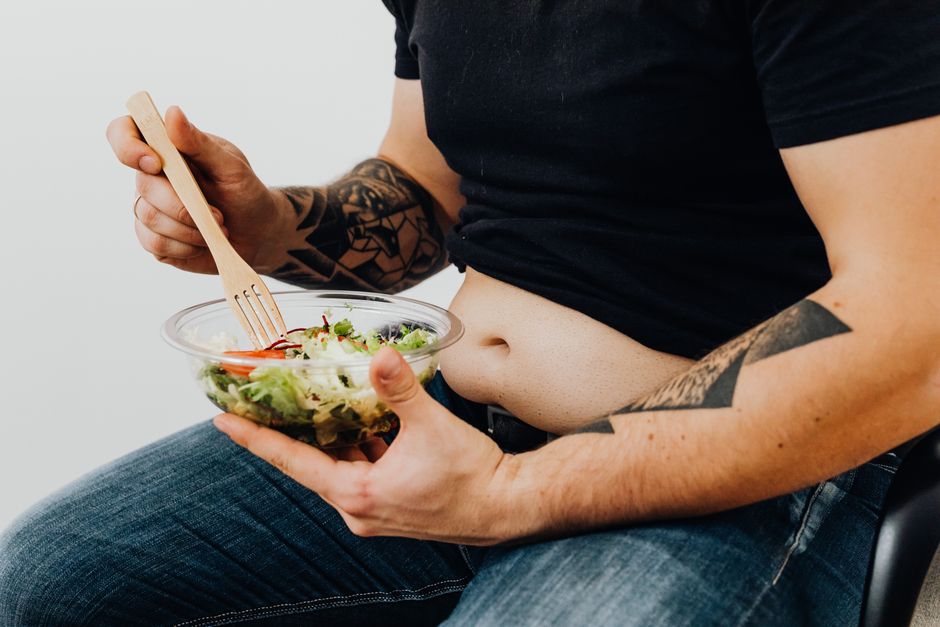
Belly fat is not just about how your clothes fit. It is linked to serious health risks like heart disease and type 2 diabetes. To reduce belly fat you need a combination of better sleep, stress management, and consistent exercise — not a magic pill or a single food. The real answer is simple but not easy: eat fewer processed foods, move your body daily, and give it time.
What Causes Belly Fat to Build Up in the First Place?
Belly fat is not all the same. There is subcutaneous fat, the kind you can pinch under your skin. Then there is visceral fat, which sits deep inside your abdomen around your organs. Visceral fat is the dangerous kind. It releases inflammatory substances that raise your risk for chronic disease.
Several factors drive belly fat gain. Hormones play a big role. As people age, especially after 40, cortisol levels can rise. Cortisol is a stress hormone that tells your body to store fat in the belly area. Sleep loss also raises cortisol. The CDC reports that over one-third of US adults do not get enough sleep. That alone can make belly fat harder to lose.
Genetics matter too. Some people naturally store more fat in their midsection. You cannot change your genes, but you can change your habits. Diet is the biggest controllable factor. A diet high in added sugars, refined grains, and processed foods consistently leads to more visceral fat. The American Heart Association notes that added sugar intake is directly linked to increased belly fat.
Does Cutting Carbs Help Reduce My Belly Fat?
Low-carb diets get a lot of attention for belly fat loss. Research published in the Journal of Nutrition found that people on a low-carb diet lost more visceral fat than those on a low-fat diet over the same time period. But the difference was not huge, and it faded after about a year.
What matters more is the type of carbs you eat. White bread, sugary cereals, and soda spike your blood sugar and insulin. High insulin levels tell your body to store fat. Whole grains, vegetables, and legumes have fiber. Fiber slows down digestion and helps control insulin. A study in the American Journal of Clinical Nutrition found that eating more soluble fiber reduced belly fat over five years, independent of other dietary changes.
The takeaway is not to cut all carbs. It is to replace refined carbs with fiber-rich ones. Swapping white rice for quinoa or oatmeal for a sugary granola bar makes a real difference. Aim for 25 to 30 grams of fiber per day. Most Americans get half that amount.
What Exercises Actually Target Belly Fat?
You cannot spot-reduce belly fat. Doing hundreds of crunches will not make fat disappear from your stomach alone. That is a myth. Fat loss happens from your whole body, and where you lose it first is largely genetic.
That said, some exercises are better than others for reducing overall body fat, which includes belly fat. High-intensity interval training (HIIT) is one of the most effective methods. A meta-analysis in the British Journal of Sports Medicine found that HIIT reduced visceral fat more than moderate-intensity continuous exercise. HIIT involves short bursts of intense effort followed by rest. Think 30 seconds of sprinting followed by 60 seconds of walking, repeated for 15 to 20 minutes.
Strength training is also important. Building muscle increases your resting metabolism, meaning you burn more calories even when sitting. Research from Harvard shows that men who did 20 minutes of strength training daily gained less belly fat over time than those who only did cardio. A balanced weekly plan should include two to three days of strength training and two to three days of cardio or HIIT.





How Much Does Sleep Affect Belly Fat?
Sleep is often overlooked in belly fat discussions. It should not be. The National Institutes of Health states that insufficient sleep disrupts hunger hormones. Ghrelin, which makes you hungry, goes up. Leptin, which tells you to stop eating, goes down. You end up eating more without realizing it.
One study from the University of Chicago found that people who slept 5.5 hours per night lost 55% less fat than those who slept 8.5 hours, even though they ate the same number of calories on a diet. The short sleepers also felt hungrier and had higher cortisol levels.
Most adults need 7 to 9 hours per night. If you are getting less than that, improving sleep may be the single most effective change you can make. Keep your bedroom cool, dark, and quiet. Avoid screens for an hour before bed. Go to sleep and wake up at the same time every day, even on weekends.
What Role Does Stress Play in Belly Fat Storage?
Chronic stress keeps cortisol elevated. High cortisol encourages fat storage in the abdomen specifically. This is not just a theory. A study from Yale University found that women with higher waist-to-hip ratios secreted more cortisol in response to stress. Their fat cells also had more cortisol receptors.
Managing stress is not about bubble baths and candles. It is about reducing the load on your nervous system. Practices like a daily 10-minute walk, deep breathing exercises, or a consistent wind-down routine have measurable effects on cortisol. Even five minutes of slow, deep breathing can lower your heart rate and reduce stress hormone levels.
Some people report that meditation helps them feel less reactive. Strong evidence is still building, but the NIH notes that mindfulness-based stress reduction programs show consistent benefits for emotional well-being. If meditation is not for you, find something else that calms you down. A hobby, time with a pet, or listening to music all count.
Comparison Table: Belly Fat Reduction Strategies
| Strategy | Evidence Level | Time to See Results | Ease of Implementation |
|---|---|---|---|
| Reduce added sugar | Strong | 2-4 weeks | Moderate |
| Increase fiber intake | Strong | 4-6 weeks | Easy |
| HIIT exercise | Strong | 4-8 weeks | Moderate |
| Strength training | Moderate | 8-12 weeks | Moderate |
| Improve sleep | Strong | 2-4 weeks | Varies |
| Stress management | Moderate | 4-8 weeks | Varies |
What Foods Should You Eat and Avoid to Reduce Belly Fat?
Avoid foods that spike blood sugar and insulin quickly. That means sugary drinks, white bread, pastries, candy, and most processed snacks. Liquid sugar is the worst culprit. A study in the American Journal of Clinical Nutrition found that people who drank sugar-sweetened beverages daily had significantly more visceral fat than those who did not, even when total calorie intake was similar.
Eat more protein. Protein increases satiety and boosts metabolism slightly through the thermic effect of food. That means your body burns more calories digesting protein than it does digesting carbs or fat. Lean meats, eggs, beans, and Greek yogurt are good sources.
Include healthy fats. Avocados, nuts, seeds, and olive oil are linked to lower belly fat. A study from the University of Illinois found that a diet rich in monounsaturated fats from avocados reduced visceral fat in women. Fats also help you absorb fat-soluble vitamins and keep you full longer.
Vegetables should fill half your plate. Leafy greens, broccoli, bell peppers, and cucumbers are low in calories and high in fiber and water. They take up space in your stomach and reduce how much you eat of other foods. This is not a trendy diet. It is basic nutrition that has been known for decades.
Common Misconceptions About Belly Fat Loss
One of the most persistent myths is that detox teas or juice cleanses can target belly fat. As of 2026 there is no clinical evidence that any detox product reduces visceral fat. Most of these products cause temporary water weight loss, which returns as soon as you eat normally.
Another myth is that eating small meals throughout the day boosts metabolism. The evidence does not support this. Meal frequency does not significantly affect fat loss. What matters is total calorie intake and food quality. Some people do better with three meals. Others prefer five smaller ones. Both work if the total intake aligns with your needs.
The idea that you can lose belly fat in a week is also false. Healthy fat loss happens at about one to two pounds per week. Belly fat is often the last area to shrink. If you are consistent with diet, exercise, sleep, and stress, you will see changes in four to eight weeks. Anyone promising faster results is selling something.
Practical Steps to Start Today
- Replace one sugary drink per day with water or unsweetened tea
- Add a 10-minute walk after dinner
- Eat a protein-rich breakfast instead of a carb-heavy one
- Do one HIIT session per week and work up to two
- Set a consistent bedtime and aim for 7 hours minimum
- Take five deep breaths before eating when stressed
These are not dramatic changes. That is the point. Dramatic changes are hard to sustain. Small consistent habits compound over time. A 2018 study in the journal Obesity found that people who made gradual changes lost more weight after one year than those who made drastic changes and quit.
If you have tried many things before and they did not work, it is not your fault. Most health content overpromises. The truth is that reducing belly fat takes longer than anyone wants to admit. But it does work when you stick with the basics. Give it three months before judging your progress. Take measurements rather than relying on the scale alone, because muscle gain can mask fat loss on the scale.
Frequently Asked Questions
Can I lose belly fat without exercise?
Yes, but it is slower. Diet alone can reduce belly fat, especially if you cut added sugar and increase fiber. Exercise speeds up the process and helps preserve muscle.
How long does it take to see belly fat loss?
Most people see noticeable changes in 4 to 8 weeks with consistent diet and exercise. Belly fat is usually the last area to shrink, so patience is key.
Does drinking water help reduce belly fat?
Water itself does not burn fat, but replacing sugary drinks with water reduces calorie intake. Staying hydrated also helps your metabolism function properly.
Are there any supplements that reduce belly fat?
As of 2026 there is no clinical evidence that any supplement specifically targets belly fat. Some supplements may support weight loss overall, but none work on their own.
