
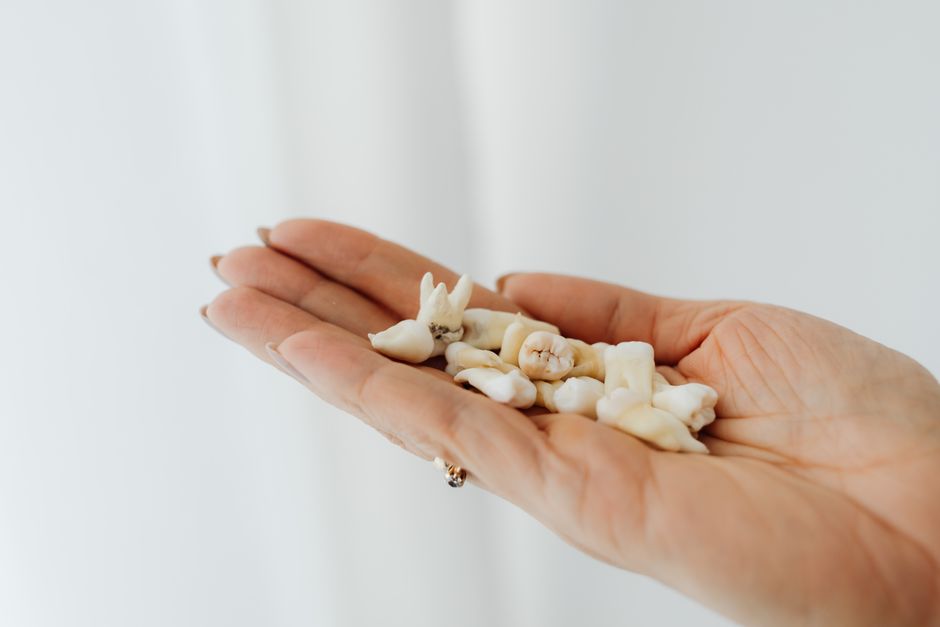
Tooth enamel cannot grow back once it is gone. Enamel is the hardest tissue in the human body, but it has no living cells. That means the body cannot repair it the way it repairs bone or skin. What you can do is stop further loss and, in the early stages of damage, help the enamel remineralize before it breaks down completely. Remineralization is a real, evidence-based process that strengthens weakened enamel using minerals from your saliva, your diet, and your toothpaste.
What Does “Rebuilding Enamel” Actually Mean?
Enamel is made mostly of a mineral called hydroxyapatite. That mineral is a crystalline form of calcium and phosphate. When acids from food, drinks, or bacteria attack the enamel, they pull those minerals out. This is called demineralization. Your saliva constantly works against this by putting minerals back in. That process is called remineralization.
When demineralization outpaces remineralization, the enamel weakens. It loses its structure and becomes porous. At this stage, the damage is still reversible. The enamel has not been lost yet. It has just been softened. Minerals can move back into the porous surface and re-harden it.
Once the enamel surface actually breaks away and forms a cavity, that is permanent. No toothpaste, diet, or home remedy can grow that enamel back. The only options at that point are dental fillings, crowns, or other restorative treatments.
So the honest answer to “how to rebuild tooth enamel naturally” is this: you cannot rebuild lost enamel, but you can remineralize weakened enamel and prevent further loss. That is the goal of every natural approach that actually works.
What Actually Causes Enamel Loss?
Enamel loss happens when acids attack the teeth faster than saliva can repair the damage. There are two main sources of that acid. The first is what you eat and drink. Sugary foods and drinks feed bacteria in your mouth. Those bacteria produce acid as they digest the sugar. The second source is acid directly in your food or drink. Citrus fruits, soda, sports drinks, and wine all contain acid that contacts your teeth directly.
Acid erosion is different from decay. Decay is caused by bacteria. Erosion is caused by acid alone, even without bacteria. Both weaken enamel, but they work through slightly different pathways.
Another major cause is acid reflux. Stomach acid is extremely strong. When it reaches the mouth, it can damage enamel quickly. Some research suggests that people with untreated acid reflux have significantly higher rates of enamel erosion. Dry mouth also raises the risk. Saliva is your mouth’s natural defense. It neutralizes acid and supplies the minerals needed for remineralization. Without enough saliva, enamel loses that protection.
Brushing too hard is another factor. Abrasion from aggressive brushing wears enamel away mechanically. This is not acid damage. It is physical wear. Over time, hard brushing can thin enamel, especially near the gum line.
Which Minerals Actually Remineralize Enamel?
Calcium and phosphate are the building blocks of enamel. Your saliva naturally contains both. When enamel is weakened, these minerals can re-enter the porous surface and rebuild the crystal structure. This is the core of remineralization.
Fluoride is the most studied mineral for this process. Fluoride does not just add minerals. It changes the chemistry of the enamel surface. When fluoride is present, the minerals that form are more resistant to acid than the original enamel. Fluoride also slows down the bacteria that produce acid. Decades of research consistently show that fluoride reduces cavities and helps reverse early enamel damage.
There is also evidence that hydroxyapatite, the exact mineral enamel is made of, can remineralize early lesions. Some toothpastes now contain hydroxyapatite instead of fluoride. Research on these products is promising, though fluoride still has the largest body of evidence behind it.
One mineral that is often promoted but lacks strong evidence is calcium phosphate in various forms. Some studies suggest certain formulations help, but results vary. The evidence is not as consistent as it is for fluoride.




What Dietary Changes Support Enamel Health?
Your diet affects enamel in two ways. It determines what acids your teeth are exposed to, and it supplies the minerals your saliva needs for repair.
Dairy products provide calcium and phosphate. Cheese, milk, and yogurt are all good sources. Some research suggests that cheese may also stimulate saliva flow and raise the pH in the mouth, which reduces acid damage. Hard cheeses like cheddar seem to be particularly effective.
Foods rich in calcium outside of dairy include leafy greens, almonds, and fortified plant milks. These are useful, though the calcium in dairy tends to be more concentrated.
Fiber-rich fruits and vegetables stimulate saliva production. Saliva is your mouth’s natural rinse and mineral source. Apples, carrots, and celery are often recommended for this reason. They do not clean teeth the way some marketing suggests, but they do increase saliva flow.
Vitamin D matters too. Your body needs vitamin D to absorb calcium from food. Without adequate vitamin D, calcium from your diet may not reach your saliva or your teeth. Sunlight is the most natural source, but dietary sources include fatty fish and fortified foods.
What Habits Prevent Further Enamel Loss?
Timing matters as much as what you eat. After eating or drinking something acidic, wait at least 30 minutes before brushing. Acid softens enamel. Brushing while it is soft can remove enamel that was not yet lost. Rinsing with water after acidic foods or drinks helps wash away the acid and gives saliva a head start.
Use a straw for acidic beverages. This reduces contact between the liquid and your teeth. It does not eliminate the risk, but it lowers it. Avoid swishing acidic drinks around your mouth. Finish them rather than sipping over a long period. Every sip is a new acid attack.
Chewing sugar-free gum after meals increases saliva flow. More saliva means more minerals and faster neutralization of acid. Some gums contain xylitol, a sweetener that research shows reduces cavity-causing bacteria. The evidence for xylitol is solid, though the effect is modest.
Do not brush with a hard-bristled brush. Use a soft brush and gentle pressure. Many people brush with more force than needed. Over time, that pressure wears enamel away. If your toothbrush bristles flatten quickly, you are brushing too hard.
Do Natural Toothpastes and Home Remedies Work?
Some natural toothpastes contain ingredients with real evidence behind them. Nano-hydroxyapatite toothpaste is one example. Several studies have found it comparable to fluoride for remineralizing early enamel damage. It is widely used in Japan and increasingly available in the US.
Other natural toothpastes rely on ingredients like baking soda, coconut oil, or charcoal. Baking soda is mildly abrasive and can help remove surface stains. It does not remineralize enamel. Charcoal is more concerning. It is abrasive enough that some dentists warn it may wear enamel away over time. No clinical evidence confirms that charcoal toothpaste remineralizes enamel.
Oil pulling is a traditional practice where you swish oil in your mouth for 15-20 minutes. Some studies suggest it may reduce bacteria in the mouth. The evidence is limited and the studies are small. There is no evidence that oil pulling remineralizes enamel or reverses cavities. It is not harmful, but it is not a replacement for brushing with fluoride or hydroxyapatite toothpaste.
Be cautious with any home remedy that promises to “regrow” enamel. If a product claims to rebuild enamel that is already lost, that claim does not match the science. Enamel cannot regenerate. Products that work support remineralization of weakened enamel only.
When Should You See a Dentist?
If your teeth are sensitive to hot, cold, or sweet things, that can be a sign of enamel loss. Sensitivity happens when the enamel thins enough that the underlying dentin is exposed. Dentin contains tiny tubes that lead to the nerve. When those tubes are exposed, temperature changes trigger pain.
Visible changes also matter. Teeth that look yellow may have thinning enamel. The yellow is the dentin showing through. Chips, cracks, or rough edges on teeth are more advanced signs of damage.
See a dentist if you notice any of these signs. A dentist can tell the difference between early demineralization and actual enamel loss. They can also apply professional fluoride treatments that are stronger than anything available at home. These treatments can significantly slow or stop early damage.
If you have acid reflux or dry mouth, mention it to your dentist. Both conditions increase enamel erosion risk. Your dentist may recommend specific products or treatments to protect your teeth.
Frequently Asked Questions
Can tooth enamel be rebuilt naturally once it is gone?
No. Lost enamel cannot grow back because enamel has no living cells. You can only remineralize weakened enamel before it breaks down.
What is the best natural way to remineralize teeth?
Fluoride toothpaste is the most evidence-backed approach, and nano-hydroxyapatite toothpaste is a well-studied alternative. A diet with adequate calcium, phosphate, and vitamin D supports the process.
How long does it take to remineralize early enamel damage?
It varies by person and by how much damage is present. With consistent care, early lesions can improve over weeks to months, but some damage may still require professional treatment.
Does oil pulling rebuild tooth enamel?
No. Oil pulling may reduce mouth bacteria in some small studies, but no evidence shows it remineralizes enamel or reverses cavities.
