

Teeth naturally yellow with age as enamel thins and the darker dentin layer underneath shows through. You can brighten your smile at home, but you need to separate what actually works from what is just marketing. The most effective natural approaches involve removing surface stains with gentle abrasives, breaking down deeper stains with fruit enzymes or mild acids, and avoiding foods that cause new stains. Realistic expectations matter: natural methods brighten teeth by a shade or two, not by the dramatic results you get from professional whitening.
Why Do Teeth Turn Yellow in the First Place?
Understanding why teeth stain helps you choose the right approach. Tooth enamel is porous, like a sponge. Everything you drink and eat passes through those microscopic pores.
Coffee, tea, red wine, and dark berries contain tannins and chromogens. These compounds bind to enamel and leave behind color. Tobacco does the same thing. Over time, these stains build up on the surface of the tooth.
Age plays a separate role. Enamel naturally wears thinner as you get older. When enamel thins, the yellowish dentin layer beneath becomes more visible. This is not a stain at all. It is the natural structure of your tooth showing through. No amount of surface scrubbing will change this.
Some medications, like tetracycline antibiotics taken during childhood, can cause intrinsic discoloration. Fluoride overexposure in early childhood can cause white or brown spots. These internal stains are much harder to treat at home.
What Actually Whitens Teeth at Home?
There are two main ways to whiten teeth at home: physically removing surface stains and chemically breaking down deeper discoloration.
Baking soda is the most studied home whitening agent. It is a mild abrasive that gently polishes away surface stains. Research consistently shows that toothpaste containing baking soda removes more plaque and surface stain than toothpaste without it. It is safe for enamel when used correctly because baking soda is softer than enamel.
Hydrogen peroxide is the active ingredient in most commercial whitening products. It works by breaking down the chemical bonds that create color in stains. This is a chemical change, not just physical scrubbing. Studies confirm that low concentrations of hydrogen peroxide, around 1 percent, are effective for at-home whitening.
The combination of these two is powerful. Baking soda scrubs the surface while hydrogen peroxide penetrates deeper. Many DIY recipes mix them into a paste. This is safe when used occasionally, but there is a catch. You cannot control the concentration of hydrogen peroxide when you mix it yourself. Store-bought whitening products are formulated with safe concentrations. Homemade pastes can irritate gums if the balance is off.
Do Natural Ingredients Like Strawberries and Coconut Oil Work?
Strawberries contain malic acid, which is the same acid used in some commercial whitening products. Some people mash strawberries with baking soda to create a whitening paste. The logic makes sense on paper. The evidence is thin.
One small study found that a strawberry and baking soda mixture removed surface stains after several weeks of use. That same study noted the effect was modest compared to commercial whitening strips. The acid in strawberries can also soften enamel temporarily. If you brush too hard right after, you can damage the softened surface. If you try this, rinse your mouth well afterward and wait at least 30 minutes before brushing.
Coconut oil pulling is different. This ancient practice involves swishing coconut oil in your mouth for 10 to 20 minutes. Proponents claim it removes bacteria and whitens teeth. The antibacterial properties of coconut oil are real. Some studies show it reduces plaque and gingivitis. There is no solid evidence that oil pulling whitens teeth. Any brightening effect likely comes from the oil removing surface debris, not from any bleaching action.



The Truth About Activated Charcoal
Activated charcoal is one of the most popular natural whitening trends. Videos show people brushing with black powder and rinsing to reveal whiter teeth. The results look impressive in the moment.
Activated charcoal is highly porous and abrasive. It physically binds to surface stains and lifts them away. That is why teeth look immediately brighter after use. The problem is that charcoal is also abrasive to enamel. Some charcoal powders are harder than enamel itself.
Research on charcoal toothpaste has raised concerns. A 2019 review in the Journal of the American Dental Association found no evidence that charcoal toothpaste whitens teeth better than regular toothpaste. The review also noted that most charcoal toothpastes do not contain fluoride, which leaves teeth more vulnerable to cavities. The ADA does not currently approve any charcoal toothpaste products.
Occasional use probably will not ruin your teeth. Regular use over months can wear away enamel permanently. Once enamel is gone, it does not grow back. The yellow dentin underneath becomes more visible, making teeth look more yellow, not less. This is the opposite of the intended effect.
Which Natural Method Is Safest for Daily Use?
If you want a natural approach you can use daily without worrying about damage, focus on prevention and gentle cleaning.
Brushing with baking soda two to three times per week is reasonable. Daily use of baking soda can be too abrasive for some people. If your teeth feel rough or sensitive after brushing, you are brushing too hard or too often.
Eating crunchy fruits and vegetables like apples, carrots, and celery helps in a minor way. The fibrous texture scrubs teeth as you chew. These foods also stimulate saliva production, which naturally washes away food particles and neutralizes acids. This will not dramatically whiten teeth, but it supports overall oral health.
Rinsing with water after drinking coffee, tea, or wine reduces staining. This simple habit prevents tannins from sitting on your teeth for extended periods. It is not a whitening treatment, but it slows down new stain formation.
Using a straw for dark beverages reduces contact with front teeth. This is practical and effective for preventing surface stains. It does not help with stains already present.
What About Lemon Juice and Other Acids?
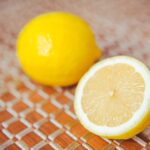
Lemon juice is frequently recommended as a natural whitener. This is one to avoid. Lemon juice is highly acidic, with a pH around 2. That is similar to stomach acid. Acid dissolves enamel directly.
Brushing with lemon juice or rubbing lemon peels on teeth softens and erodes the enamel surface. This makes teeth look whiter temporarily because the translucent enamel is thinning. The long-term result is thinner enamel, more yellow dentin showing through, and increased sensitivity. Some people develop irreversible enamel erosion from this practice.
Apple cider vinegar is often mentioned as a gentler alternative. It is still acidic, with a pH around 3. The same erosion risk applies. If you choose to use apple cider vinegar, dilute it heavily with water and never brush immediately afterward. Rinse your mouth thoroughly and wait at least 30 minutes before brushing. Even then, the whitening effect is minimal.
How to Whiten Teeth Naturally Without Damaging Enamel
A balanced natural routine combines gentle stain removal with strong prevention. Here is what a realistic approach looks like.
Start with a fluoride toothpaste for your regular brushing routine. Fluoride strengthens enamel and prevents cavities. This is the foundation of oral health. Natural whitening is an addition to this routine, not a replacement for it.
Use a baking soda paste once or twice a week. Mix a small amount of baking soda with water to form a paste. Brush gently for two minutes. Rinse thoroughly. This removes surface stains without excessive abrasion.
Consider a commercial whitening toothpaste that contains hydrated silica instead of baking soda. These are formulated to be safe for daily use and have been tested for enamel safety. They are not technically natural, but they are effective and safe.
Maintain good hydration. A dry mouth has more bacteria and more plaque buildup. Saliva is your mouth’s natural cleaning system. Drink water throughout the day, especially after meals and snacks.
Limit foods and drinks that stain. This does not mean giving up coffee. It means being aware that every cup adds a little color to your enamel. Rinsing with water after each cup reduces the effect.
See your dentist for a professional cleaning every six months. Professional cleaning removes tartar and surface stains that home brushing cannot reach. This is the single most effective way to keep teeth looking their natural brightest.
When Natural Methods Are Not Enough
Natural methods have limits. If your teeth are deeply stained or if you want dramatic results, professional treatment is the evidence-backed option.
Professional in-office whitening uses higher concentrations of hydrogen peroxide or carbamide peroxide. These penetrate deeper into enamel and break down intrinsic stains. Results are visible immediately and can last for years with good maintenance.
Custom take-home trays from your dentist are another option. Your dentist makes a mold of your teeth and gives you a lower concentration gel to use at home over one to two weeks. This is more effective than over-the-counter strips and safer than DIY pastes.
If your teeth are yellow because of thinning enamel, whitening may not help much. In that case, cosmetic options like dental bonding or veneers are the only ways to change the color. Your dentist can help you determine what is causing your discoloration and recommend the appropriate treatment.
Frequently Asked Questions
Does baking soda actually whiten teeth?
Yes, baking soda removes surface stains through gentle abrasion. It is effective but works slowly, and results are subtle compared to professional whitening.
Is oil pulling with coconut oil safe for teeth?
Oil pulling is safe and may reduce plaque and bacteria, but no strong evidence shows it whitens teeth. Any brightening effect is likely from removing surface debris, not from bleaching.
Can activated charcoal damage tooth enamel?
Yes, regular use of activated charcoal can wear away enamel because it is abrasive. Enamel does not regrow, so this can make teeth yellower and more sensitive over time.
How long does it take to see results from natural whitening?
Most natural methods take two to six weeks of consistent use to show noticeable results. The change is usually one shade lighter, not a dramatic transformation.
