
If your gut feels sluggish, bloated, or irregular, the problem often comes down to intestinal motility — the wave-like muscle contractions that push food through your digestive tract. You can improve intestinal motility naturally by prioritizing daily movement, drinking enough water, and eating enough fiber from whole foods. These three habits directly support the muscle activity in your colon and help your body maintain a regular, comfortable rhythm.
What Is Intestinal Motility and Why Does It Matter?
Intestinal motility refers to the coordinated muscle contractions that move food, liquid, and waste through your digestive system. This process starts in your esophagus and continues through your stomach, small intestine, and colon. When motility slows down, waste sits in the colon longer, water gets reabsorbed, and stool becomes hard and difficult to pass.
Normal motility keeps things moving at a steady pace. When it slows, you feel constipated, bloated, and uncomfortable. When it speeds up too much, you get diarrhea or urgency. Both ends of the spectrum are signs your gut muscles are not working in a balanced rhythm.
The muscles in your intestinal walls are controlled by the enteric nervous system — sometimes called your “second brain.” This network of nerves sits inside your gut and responds to signals from your brain, your hormones, and the contents of your digestive tract. Supporting this system with daily habits is the foundation of natural motility improvement.
How To Improve Intestinal Motility Naturally: The Core Habits
Physical movement is one of the most direct ways to stimulate intestinal motility. When you walk, run, or exercise, your body’s natural movement also gently shakes and stimulates the digestive organs. Studies consistently show that regular physical activity reduces the time it takes for food to travel through the colon.
Water intake matters just as much. Your colon pulls water from waste material as it moves along. If you are dehydrated, your colon pulls too much water, leaving stool dry and hard. Aim for enough fluid that your urine stays a light yellow color — this is a practical daily target that works for most people.
Fiber is the third pillar. Soluble fiber absorbs water and forms a gel that softens stool. Insoluble fiber adds bulk that stretches the intestinal wall, which triggers the muscle contractions that move waste forward. Both types matter, and most people do better getting fiber from whole foods like oats, beans, vegetables, and fruits rather than from supplements alone.
Which Foods Support Healthy Motility
Whole plant foods are the most reliable dietary support for intestinal motility. Fruits, vegetables, legumes, and whole grains provide the fiber your colon needs to generate healthy muscle contractions. Prunes, apples, pears, and kiwi have all been studied for their effects on bowel regularity.
Prunes are one of the most researched foods for constipation. They contain both fiber and sorbitol, a naturally occurring sugar alcohol that draws water into the colon. This combination softens stool and stimulates movement. Some studies suggest prunes work better than psyllium fiber for improving stool frequency.
Kiwi is another fruit with growing evidence behind it. Research published in clinical nutrition journals has found that eating two kiwis daily increases bowel movement frequency and improves stool consistency. The exact mechanism is not fully understood, but the combination of fiber and natural compounds seems to support motility.
Fermented foods like yogurt, kefir, and sauerkraut support the gut microbiome. A healthy population of gut bacteria produces short-chain fatty acids that feed the cells lining your colon. These fatty acids also stimulate muscle contractions. The evidence for fermented foods is more indirect than for fiber and water, but it points in the same direction.
Daily Habits That Stimulate the Gut Muscles
Regular meal timing helps your gut establish a rhythm. Your digestive system is primed to expect food at consistent times, and this predictability supports coordinated contractions. Eating at roughly the same times each day can help regulate motility.
Physical activity does not need to be intense. A 20-minute walk after a meal is enough to stimulate digestive activity. The gentle movement encourages the muscles in your abdomen and colon to keep working. Even standing up regularly if you have a desk job makes a difference.
Stress management directly affects motility because the brain and gut are connected through the vagus nerve. When you are stressed, your body diverts resources away from digestion. Chronic stress can slow motility or cause irregular contractions. Deep breathing, meditation, and adequate sleep are all practical tools for keeping this system balanced.
Squatting posture during bowel movements can also help. The natural position for elimination involves a more acute angle between the rectum and the colon. Using a small footstool to raise your knees above your hips can make bowel movements easier and more complete.
How Long Does It Take To See Improvement?
Most people notice changes within one to two weeks of consistent habit changes. Fiber and water adjustments work relatively quickly because they change stool consistency directly. Muscle training from physical activity takes slightly longer — your gut muscles need time to strengthen and respond to regular stimulation.
If you are increasing fiber intake, do it gradually. A sudden jump from low fiber to high fiber can cause bloating, gas, and cramping. Add a few grams per day over several days or weeks. Drink extra water as you increase fiber — fiber without adequate fluid can actually worsen constipation.
Some people respond faster than others. Age, medications, and underlying health conditions all influence how quickly your gut responds to lifestyle changes. If you have been constipated for a long time, it may take several weeks of consistent habits before you notice meaningful improvement.
What To Do When Natural Approaches Are Not Enough
If you have tried consistent lifestyle changes for several weeks without improvement, it is worth speaking with a healthcare provider. Chronic constipation can be a symptom of underlying conditions like hypothyroidism, diabetes, or pelvic floor dysfunction. These require proper diagnosis and treatment beyond lifestyle adjustments.
Some medications commonly cause constipation as a side effect. Opioid pain relievers, certain blood pressure medications, and some antidepressants are known culprits. If you take any of these and struggle with motility, talk to your doctor about whether alternatives exist.
Laxatives are available over the counter, but they should be used with guidance. Bulk-forming laxatives like psyllium are generally considered safe for long-term use. Stimulant laxatives are meant for short-term relief only — long-term use can make your colon dependent on them and weaken natural contractions over time.
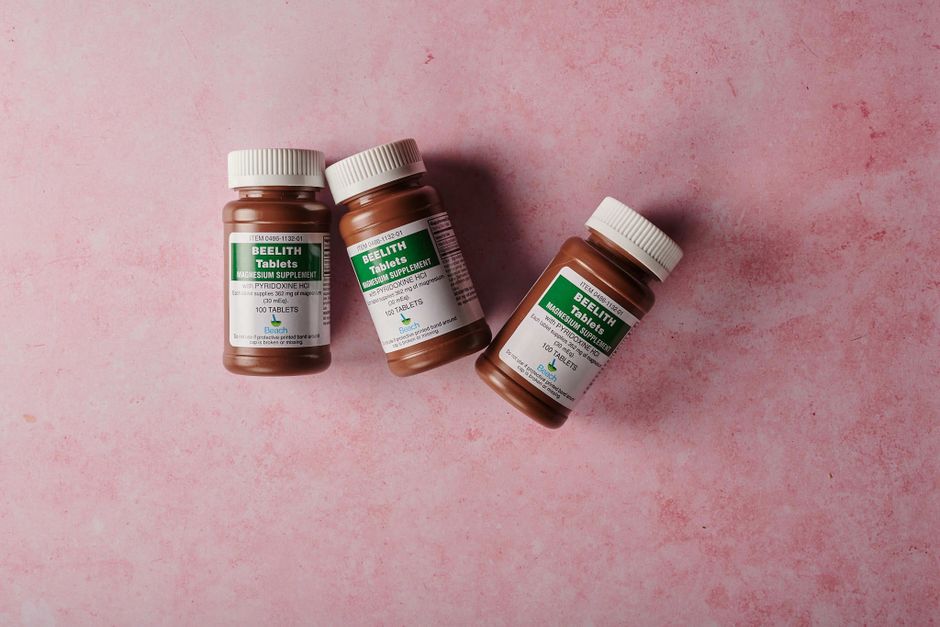
No clinical guidelines currently recommend a specific natural supplement for intestinal motility across all populations. Some evidence supports magnesium, ginger, and peppermint oil for various digestive complaints, but the research varies in quality. Discuss any supplement with your healthcare provider, especially if you take other medications.
Common Myths About Intestinal Motility
One common myth is that you need a daily bowel movement to be healthy. Normal bowel frequency ranges from three times per day to three times per week. What matters more is consistency — if you are regular for you, that is generally a good sign.
Another myth is that detox teas and juice cleanses improve motility. Most detox products contain herbal laxatives like senna that stimulate the colon artificially. They may produce a bowel movement, but they do not strengthen natural motility. Regular use can actually make your colon reliant on stimulation.
Some people believe that drinking coffee on an empty stomach is harmful. Coffee does stimulate motility — the caffeine and other compounds trigger contractions in the colon. For many people this is harmless and even helpful. It only becomes a problem if it causes discomfort or diarrhea.
Frequently Asked Questions
How long does it take to improve intestinal motility?
Most people notice improvement within one to two weeks of consistent changes to diet, hydration, and physical activity. Long-standing constipation may take several weeks of sustained habits before meaningful change occurs.
Does walking after meals help with intestinal motility?
Yes, a gentle walk after eating stimulates the muscles in your digestive tract and helps move food through your system. Even 10 to 20 minutes of light walking can make a measurable difference.
Can drinking more water alone fix slow intestinal motility?
Water alone rarely fixes slow motility if other factors like low fiber intake or inactivity are present. Water softens stool, but fiber and movement are also needed to generate the muscle contractions that push waste forward.
Are laxatives safe for long-term use?
Bulk-forming laxatives like psyllium are generally safe for ongoing use under medical guidance. Stimulant laxatives should only be used short-term because long-term use can weaken your colon’s natural ability to contract.
